


Dasar
Spot
Perdagangkan kripto dengan bebas
Perdagangan Margin
Perbesar keuntungan Anda dengan leverage
Konversi & Investasi Otomatis
0 Fees
Perdagangkan dalam ukuran berapa pun tanpa biaya dan tanpa slippage
ETF
Dapatkan eksposur ke posisi leverage dengan mudah
Perdagangan Pre-Market
Perdagangkan token baru sebelum listing
Futures
Akses ribuan kontrak perpetual
TradFi
Emas
Satu platform aset tradisional global
Opsi
Hot
Perdagangkan Opsi Vanilla ala Eropa
Akun Terpadu
Memaksimalkan efisiensi modal Anda
Perdagangan Demo
Pengantar tentang Perdagangan Futures
Bersiap untuk perdagangan futures Anda
Acara Futures
Gabung acara & dapatkan hadiah
Perdagangan Demo
Gunakan dana virtual untuk merasakan perdagangan bebas risiko
Peluncuran
CandyDrop
Koleksi permen untuk mendapatkan airdrop
Launchpool
Staking cepat, dapatkan token baru yang potensial
HODLer Airdrop
Pegang GT dan dapatkan airdrop besar secara gratis
Launchpad
Jadi yang pertama untuk proyek token besar berikutnya
Poin Alpha
Perdagangkan aset on-chain, raih airdrop
Poin Futures
Dapatkan poin futures dan klaim hadiah airdrop
Investasi
Simple Earn
Dapatkan bunga dengan token yang menganggur
Investasi Otomatis
Investasi otomatis secara teratur
Investasi Ganda
Keuntungan dari volatilitas pasar
Soft Staking
Dapatkan hadiah dengan staking fleksibel
Pinjaman Kripto
0 Fees
Menjaminkan satu kripto untuk meminjam kripto lainnya
Pusat Peminjaman
Hub Peminjaman Terpadu


Lainnya





ECB Study Reveals Minimal Environmental Impact of Euro Banknotes – How Does Crypto Compare?
Disclosure: Crypto is a high-risk asset class. This article is provided for informational purposes and does not constitute investment advice. By using this website, you agree to our terms and conditions. We may utilise affiliate links within our content, and receive commission.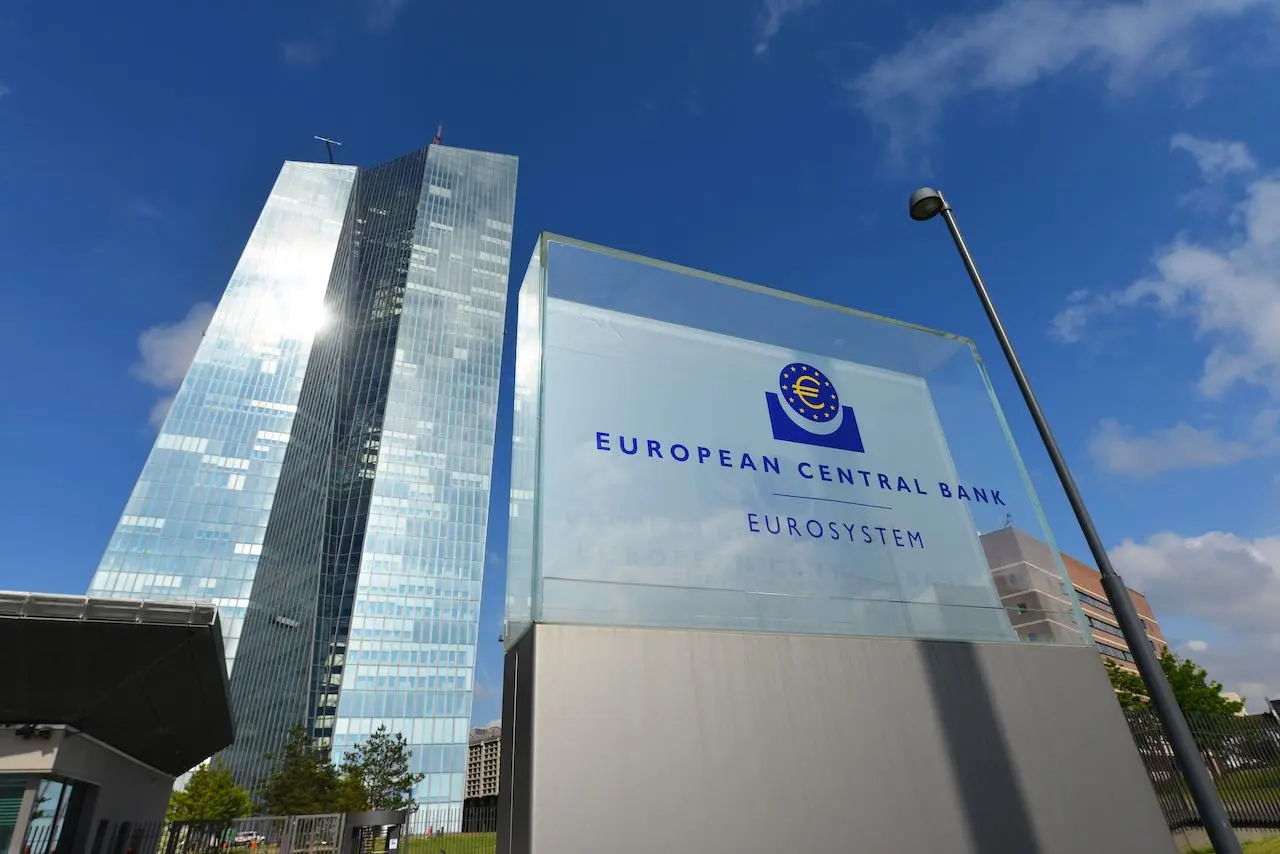 Source: Adobe / nmann77It’s not just crypto: old-fashioned banknotes have a noticeable energy footprint worth reducing, according to the European Central Bank (ECB).
In a newly published report, the central bank outlined how the elaborate physical infrastructure used to support eurozone cash can affect the environment – from the acquisition of raw materials to the distribution of banknotes themselves.
Going by the European Commission’s methodology, the environmental impact of a typical euro area citizen’s annual consumption activities using cash is roughly equal to driving a standard car for eight kilometers.
That’s an incredibly low score compared to other everyday products. For example, the Commission measures the impact of a cotton t-shirt that is washed once a week to have an annual impact equal to driving fifty-five kilometers.
In light of the figure, the ECB wrote:
According to the study, the core environmental impact of banknotes comes from powering ATMs (37%) and transportation (35%), alongside processing during the distribution stage (10%). Another 14% is related to paper manufacturing and authenticating at the point of sale.
The ECB noted that cash remains the most commonly used form of payment in the euro area. It reported a survey in February showing that over half of payments in shops and restaurants in Europe are still made with coins or banknotes.
Though the ECB has begun researching the potential launch of a digital euro, President Christine Lagarde has emphasized that its launch would not be designed to eradicate cash.
How Bitcoin Compares
Bitcoin (BTC) consumes far more energy than European cash – a fact oft-repeated by the ECB and its crypto critical President.
As the central bank warned in a prior report, the entire Bitcoin network consumes energy rivaling certain small and mid-sized countries including Spain and the Netherlands. It wrote:
The ECB has also emphasized that BTC does not meet the criteria of a “currency” since it is too volatile and lacks adoption as a medium of exchange.
Bitcoin’s high energy consumption is due to its proof of work consensus mechanism, which is required to keep its ledger of transactions decentralized. Bitcoin miners – the entities that consume such power – are rewarded with newly issued BTC.
Survey data from the Bitcoin Mining Council and other research suggests that over half of the Bitcoin mining industry is powered by renewable energy.