


Dasar
Spot
Perdagangkan kripto dengan bebas
Perdagangan Margin
Perbesar keuntungan Anda dengan leverage
Konversi & Investasi Otomatis
0 Fees
Perdagangkan dalam ukuran berapa pun tanpa biaya dan tanpa slippage
ETF
Dapatkan eksposur ke posisi leverage dengan mudah
Perdagangan Pre-Market
Perdagangkan token baru sebelum listing
Futures
Akses ribuan kontrak perpetual
TradFi
Emas
Satu platform aset tradisional global
Opsi
Hot
Perdagangkan Opsi Vanilla ala Eropa
Akun Terpadu
Memaksimalkan efisiensi modal Anda
Perdagangan Demo
Pengantar tentang Perdagangan Futures
Bersiap untuk perdagangan futures Anda
Acara Futures
Gabung acara & dapatkan hadiah
Perdagangan Demo
Gunakan dana virtual untuk merasakan perdagangan bebas risiko
Peluncuran
CandyDrop
Koleksi permen untuk mendapatkan airdrop
Launchpool
Staking cepat, dapatkan token baru yang potensial
HODLer Airdrop
Pegang GT dan dapatkan airdrop besar secara gratis
Launchpad
Jadi yang pertama untuk proyek token besar berikutnya
Poin Alpha
Perdagangkan aset on-chain, raih airdrop
Poin Futures
Dapatkan poin futures dan klaim hadiah airdrop
Investasi
Simple Earn
Dapatkan bunga dengan token yang menganggur
Investasi Otomatis
Investasi otomatis secara teratur
Investasi Ganda
Keuntungan dari volatilitas pasar
Soft Staking
Dapatkan hadiah dengan staking fleksibel
Pinjaman Kripto
0 Fees
Menjaminkan satu kripto untuk meminjam kripto lainnya
Pusat Peminjaman
Hub Peminjaman Terpadu


Lainnya






Bitcoin Water Footprint Adds Pressure to Mining Regulations: Report
Disclosure: Crypto is a high-risk asset class. This article is provided for informational purposes and does not constitute investment advice. By using this website, you agree to our terms and conditions. We may utilise affiliate links within our content, and receive commission.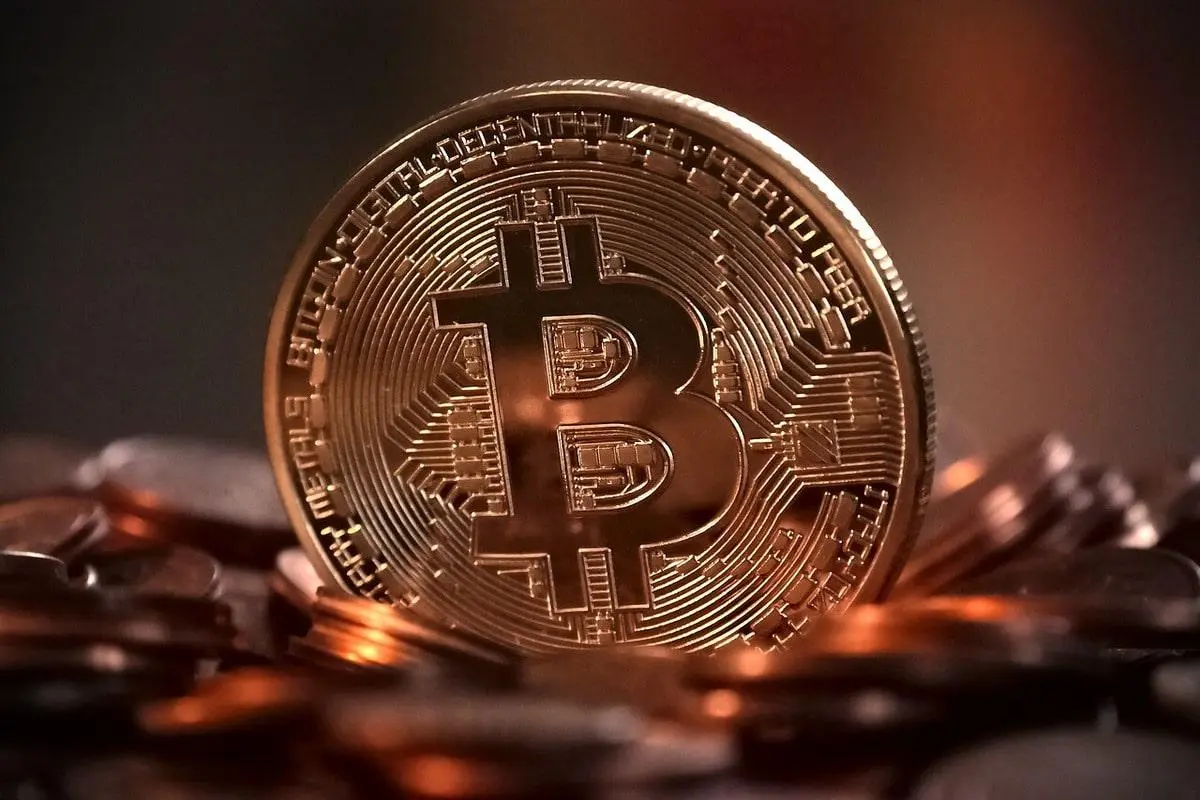 Source: Pixabay / Michael WuenschPopular Bitcoin (BTC) critic Alex De Vries says the asset uses about 16,000 liters of water which can fill a pool for each transaction on the network, a claim that has sparked diverse reactions
In a study released on Nov 29, De Vries opined that Bitcoin has a growing water footprint in addition to its already existing high energy usage. The claims have received several reactions including pushbacks by pro-BTC commentators and support from some analysts.
According to the report, BTC’s water footprint has surged in recent years as adoption and mining activity continue to grow. The network recorded a surge of water usage by 166% in 2021 compared to 2020 figures.
Notably, 2021 was essentially a bull market that saw the asset tap its all-time high boosting the overall eco. While the water footprint in 2021 stood at 1,573.7 GL, it was a mere 591.2 GL the previous year.
The combination of cooling s and indirect sources is the reason behind the huge numbers. However, the trend can be reversed by immersion cooling and moving to sources that do not require fresh water and an ultimate change in network software.
The report comes at a time when Bitcoin miners are already facing headwinds from regulators over its high energy usage compared to several countries. Authorities and climate activists continue to mount pressure on miners by issuing outright bans, resuming energy supply, and imposing taxes to reduce their carbon footprint.
In 2021, China banned digital asset mining activities citing climate concerns setting the time for other government sanctions. This year, Kazakhstan has reduced the supply of electricity to Bitcoin miners while the White House attempted to impose a 30% cryptocurrency mining tax.
More regulations? Analysts are divided
Some Analysts have said the study might impact the industry negatively as tighter mining regulations would be imposed. However, others wrote it off calling the comparison unfair adding that he has always been a Bitcoin critic
His research platform previously published Bitcoin transactions comparing each to “808,554 Visa transactions or 60,802 hours of watching YouTube.”
This metric has been downplayed by the Cambridge University Center for Alternative Finance as they noted that, “transaction throughput is independent of the network’s electricity consumption. Adding more mining equipment and thus increasing electricity consumption will have no impact on the number of processed transactions.”
Similarly, Daniel Batten added that De Vries has a niche for making widely inaccurate statements about Bitcoin coupled with the fact that he is a staff of the Dutch central bank and a long-standing critic of the top cryptocurrency.