


Dasar
Spot
Perdagangkan kripto dengan bebas
Perdagangan Margin
Perbesar keuntungan Anda dengan leverage
Konversi & Investasi Otomatis
0 Fees
Perdagangkan dalam ukuran berapa pun tanpa biaya dan tanpa slippage
ETF
Dapatkan eksposur ke posisi leverage dengan mudah
Perdagangan Pre-Market
Perdagangkan token baru sebelum listing
Futures
Akses ribuan kontrak perpetual
TradFi
Emas
Satu platform aset tradisional global
Opsi
Hot
Perdagangkan Opsi Vanilla ala Eropa
Akun Terpadu
Memaksimalkan efisiensi modal Anda
Perdagangan Demo
Pengantar tentang Perdagangan Futures
Bersiap untuk perdagangan futures Anda
Acara Futures
Gabung acara & dapatkan hadiah
Perdagangan Demo
Gunakan dana virtual untuk merasakan perdagangan bebas risiko
Peluncuran
CandyDrop
Koleksi permen untuk mendapatkan airdrop
Launchpool
Staking cepat, dapatkan token baru yang potensial
HODLer Airdrop
Pegang GT dan dapatkan airdrop besar secara gratis
Launchpad
Jadi yang pertama untuk proyek token besar berikutnya
Poin Alpha
Perdagangkan aset on-chain, raih airdrop
Poin Futures
Dapatkan poin futures dan klaim hadiah airdrop
Investasi
Simple Earn
Dapatkan bunga dengan token yang menganggur
Investasi Otomatis
Investasi otomatis secara teratur
Investasi Ganda
Keuntungan dari volatilitas pasar
Soft Staking
Dapatkan hadiah dengan staking fleksibel
Pinjaman Kripto
0 Fees
Menjaminkan satu kripto untuk meminjam kripto lainnya
Pusat Peminjaman
Hub Peminjaman Terpadu


Lainnya




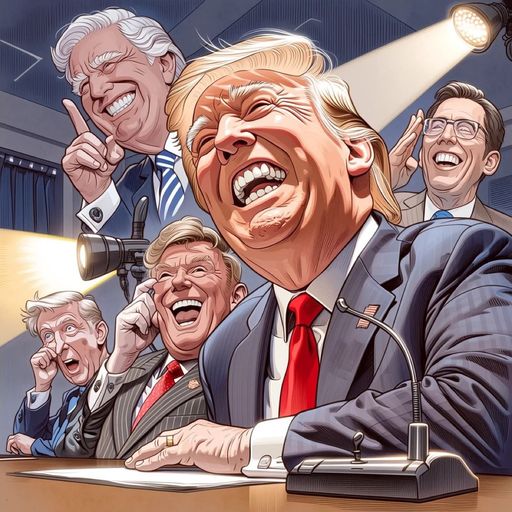

Swiss Tariffs in Flux: Why Switzerland is Pushing for a Binding Trade Deal with the U.S.
Despite the U.S. Supreme Court’s recent invalidation of much of President Trump’s tariff framework, Switzerland is doubling down on efforts to secure a comprehensive and legally binding trade agreement with Washington. The stakes are high for Swiss exporters, who face mounting uncertainty in U.S. trade policy and see a stable agreement as essential to protecting their market access.
The Legal Uncertainty Behind Swiss Tariffs and U.S. Trade Policy
The landscape for swiss tariffs has become increasingly volatile following last month’s landmark Supreme Court ruling that struck down the legal foundation supporting Trump’s tariff regime. This decision left many trading partners scrambling to reassess their exposure. However, rather than welcome the tariff rollback, Swiss policymakers recognize that the instability itself poses a significant risk. The Swiss Federal Council issued a statement emphasizing this concern: “There is considerable uncertainty in U.S. trade policy. A legally binding agreement would help stabilize bilateral trade relations and further improve export opportunities for Swiss companies.”
The Supreme Court’s decision effectively dismantled the tariff infrastructure, but it has not stopped President Trump from pursuing alternative legislative pathways to rebuild his tariff barriers. This ongoing policy volatility keeps trading partners like Switzerland in a state of perpetual negotiation.
A Preliminary Agreement at 15%: What Swiss Tariffs Mean for Exporters
In November, Switzerland and the United States reached a preliminary trade agreement that established a 15% cap on tariffs—a significant concession that offered some relief to Swiss businesses. However, with the Supreme Court invalidating the legal basis for these tariff caps, the agreement’s enforceability has come into question.
For Swiss companies across industries—from pharmaceuticals to machinery—this uncertainty translates directly into business risk. A preliminary framework is no longer sufficient; Swiss exporters need a legally binding commitment to protect their competitive position in the crucial U.S. market.
Building Stability: Switzerland’s Path to a Binding Trade Agreement
Switzerland’s pursuit of a permanent, legally binding trade agreement reflects a strategic recognition that navigating Trump-era trade policy requires more than short-term arrangements. The Swiss government is working toward an agreement that would provide durable protection against future tariff escalation and ensure sustainable market access.
By securing a binding deal, Switzerland aims to insulate its exporters from the regulatory whiplash that has characterized recent U.S. trade relations. This approach prioritizes long-term predictability over incremental negotiations, positioning Swiss businesses to compete more effectively in an uncertain global trade environment.
The path forward hinges on Switzerland’s ability to negotiate terms that survive future legal challenges and policy reversals—a complex undertaking that underscores why swiss tariffs have become central to bilateral discussions between Bern and Washington.