


Cơ bản
Giao ngay
Giao dịch tiền điện tử một cách tự do
Giao dịch ký quỹ
Tăng lợi nhuận của bạn với đòn bẩy
Chuyển đổi và Đầu tư định kỳ
0 Fees
Giao dịch bất kể khối lượng không mất phí không trượt giá
ETF
Sản phẩm ETF có thuộc tính đòn bẩy giao dịch giao ngay không cần vay không cháy tải khoản
Giao dịch trước giờ mở cửa
Giao dịch token mới trước niêm yết
Futures
Truy cập hàng trăm hợp đồng vĩnh cửu
TradFi
Vàng
Một nền tảng cho tài sản truyền thống
Quyền chọn
Hot
Giao dịch với các quyền chọn kiểu Châu Âu
Tài khoản hợp nhất
Tối đa hóa hiệu quả sử dụng vốn của bạn
Giao dịch demo
Giới thiệu về Giao dịch hợp đồng tương lai
Nắm vững kỹ năng giao dịch hợp đồng từ đầu
Sự kiện tương lai
Tham gia sự kiện để nhận phần thưởng
Giao dịch demo
Sử dụng tiền ảo để trải nghiệm giao dịch không rủi ro
Launch
CandyDrop
Sưu tập kẹo để kiếm airdrop
Launchpool
Thế chấp nhanh, kiếm token mới tiềm năng
HODLer Airdrop
Nắm giữ GT và nhận được airdrop lớn miễn phí
Launchpad
Đăng ký sớm dự án token lớn tiếp theo
Điểm Alpha
Giao dịch trên chuỗi và nhận airdrop
Điểm Futures
Kiếm điểm futures và nhận phần thưởng airdrop
Đầu tư
Simple Earn
Kiếm lãi từ các token nhàn rỗi
Đầu tư tự động
Đầu tư tự động một cách thường xuyên.
Sản phẩm tiền kép
Kiếm lợi nhuận từ biến động thị trường
Soft Staking
Kiếm phần thưởng với staking linh hoạt
Vay Crypto
0 Fees
Thế chấp một loại tiền điện tử để vay một loại khác
Trung tâm cho vay
Trung tâm cho vay một cửa


Thêm






FDIC's Sign and Ad Rules Update May Impact Crypto Industry – Here's How
Last updated: December 21, 2023 05:32 EST . 2 min read
Disclosure: Crypto is a high-risk asset class. This article is provided for informational purposes and does not constitute investment advice. By using this website, you agree to our terms and conditions. We may utilise affiliate links within our content, and receive commission.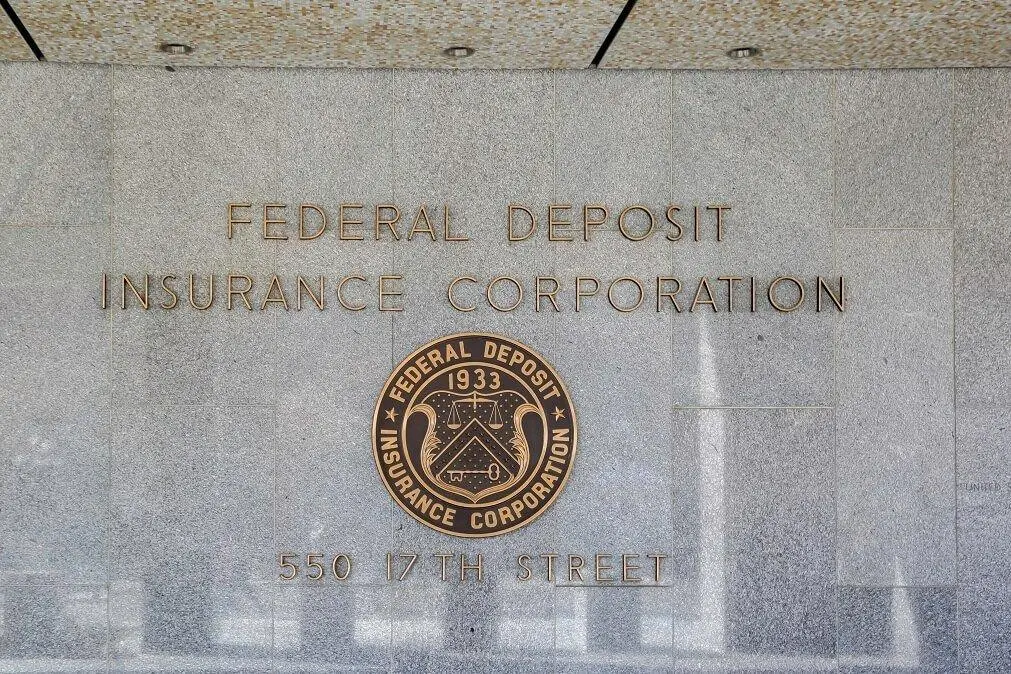 Source: AdobeStock / JHVEPhotoThe Federal Deposit Insurance Corporation (FDIC) has recently implemented a new rule governing the use of its official signs and advertising, potentially influencing public perception of certain crypto firms
The FDIC announced on December 20 that its board of directors has finalized regulations aimed at addressing false advertising, misrepresentations of deposit insurance coverage, and the misuse of the FDIC’s name or logo
From 2025 onwards, institutions insured by the FDIC will be required to display a black and navy blue sign, replacing the gold and black sign that has been in use since the 1930s
This rule applies to websites, apps, brick-and-mortar bank locations, and specific ATMs.
The FDIC stated that the last significant update to its sign and advertising rules was in 2006
The purpose of this update is to prevent entities from potentially misleading customers by falsely claiming that their funds are FDIC-insured
FDIC’s New Rule ed By Abuse in Crypto
While the new rule is not limited to the crypto industry, it has been ed by widespread abuse within the crypto sector.
“While the rule finalized today isn’t limited to the crypto industry, abuse by crypto has been rampant, forcing the FDIC to take multiple actions to stop it,” said Dennis Kelleher, president and CEO and of nonprofit organization Better Markets
“Investors were misled by Gemini Earn, FTX US, Voyager Digital, and other crypto firms into believing their investments were FDIC insured. We applaud the FDIC’s action to update and strengthen the rules to address this misconduct.”
In 2023, a number of banks associated with crypto firms faced closures, regulatory intervention, or voluntary liquidation, sparking discussions among lawmakers about protecting user funds
The FDIC collaborated with the New York State Department of Financial Services to close Signature Bank
Silicon Valley Bank, which held deposits from stablecoin issuer Circle and venture capital firm Sequoia Capital, also collapsed in March and fell under FDIC protection
Generally, the FDIC insures deposits up to $250,000 per depositor.
Highlighting the potential risks associated with crypto transactions, the Consumer Financial Protection Bureau issued a warning in June that payment apps facilitating crypto transactions might not necessarily be FDIC-insured, thereby putting funds at risk.
The FDIC has recognized crypto activities as “novel and complex risks” for U.S. banks due to their uncertain legal and regulatory status
The updated sign and ad rules from the FDIC aim to address these challenges and ensure greater transparency for consumers and investors in the crypto industry.
As reported, more than 40 countries have made significant strides in advancing crypto-focused regulations and legislation this year, indicating a growing global trend towards wider cryptocurrency adoption.
These countries have undertaken ious initiatives to develop regulations and legislation specifically tailored to the cryptocurrency industry