


Cơ bản
Giao ngay
Giao dịch tiền điện tử một cách tự do
Giao dịch ký quỹ
Tăng lợi nhuận của bạn với đòn bẩy
Chuyển đổi và Đầu tư định kỳ
0 Fees
Giao dịch bất kể khối lượng không mất phí không trượt giá
ETF
Sản phẩm ETF có thuộc tính đòn bẩy giao dịch giao ngay không cần vay không cháy tải khoản
Giao dịch trước giờ mở cửa
Giao dịch token mới trước niêm yết
Futures
Truy cập hàng trăm hợp đồng vĩnh cửu
TradFi
Vàng
Một nền tảng cho tài sản truyền thống
Quyền chọn
Hot
Giao dịch với các quyền chọn kiểu Châu Âu
Tài khoản hợp nhất
Tối đa hóa hiệu quả sử dụng vốn của bạn
Giao dịch demo
Giới thiệu về Giao dịch hợp đồng tương lai
Nắm vững kỹ năng giao dịch hợp đồng từ đầu
Sự kiện tương lai
Tham gia sự kiện để nhận phần thưởng
Giao dịch demo
Sử dụng tiền ảo để trải nghiệm giao dịch không rủi ro
Launch
CandyDrop
Sưu tập kẹo để kiếm airdrop
Launchpool
Thế chấp nhanh, kiếm token mới tiềm năng
HODLer Airdrop
Nắm giữ GT và nhận được airdrop lớn miễn phí
Launchpad
Đăng ký sớm dự án token lớn tiếp theo
Điểm Alpha
Giao dịch trên chuỗi và nhận airdrop
Điểm Futures
Kiếm điểm futures và nhận phần thưởng airdrop
Đầu tư
Simple Earn
Kiếm lãi từ các token nhàn rỗi
Đầu tư tự động
Đầu tư tự động một cách thường xuyên.
Sản phẩm tiền kép
Kiếm lợi nhuận từ biến động thị trường
Soft Staking
Kiếm phần thưởng với staking linh hoạt
Vay Crypto
0 Fees
Thế chấp một loại tiền điện tử để vay một loại khác
Trung tâm cho vay
Trung tâm cho vay một cửa


Thêm






US States Collaborate to Drive Blockchain and Cryptocurrency Adoption
Disclosure: Crypto is a high-risk asset class. This article is provided for informational purposes and does not constitute investment advice. By using this website, you agree to our terms and conditions. We may utilise affiliate links within our content, and receive commission.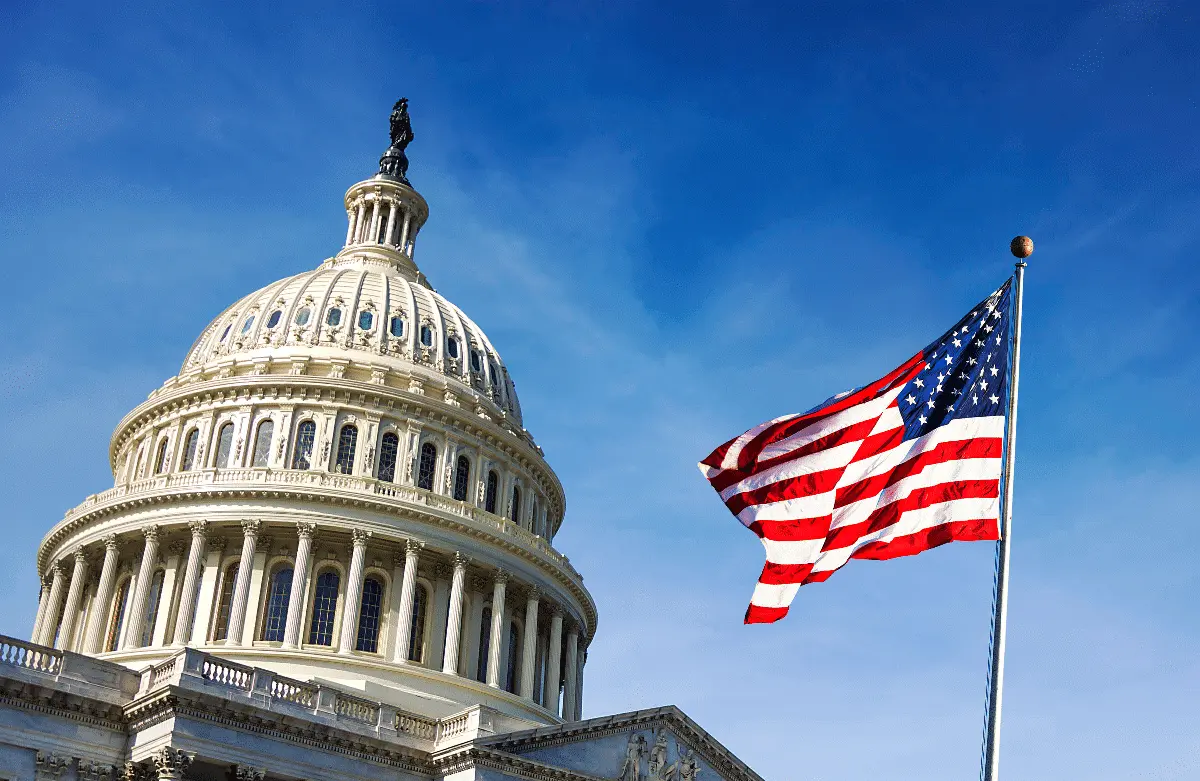 Source: AdobeStockWhile United States federal policymakers look to implement cryptocurrency and blockchain regulations, state-led organizations are taking initiatives to ensure that policy focused on cryptocurrency and blockchain adoption pass within the U.S. This is important to consider given that federal U.S. policymakers continue to remain divided on policy focused on cryptocurrency and blockchain technology usage.
Dominic Folino, president of the Pennsylvania Blockchain Coalition – a non-profit organization made up of blockchain allies, users and providers – told Cryptonews that legislation isn’t coming out of the United States Congress fast enough. Given this, States now have the opportunity to enact policies that may eventually be pushed to the federal level.
The importance of state legislation and collaboration
In order to drive state legislation, Folino explained that the Pennsylvania Blockchain Coalition joined forces with The U.S. Blockchain Coalition (USBC). USBC was created in June 2021, when thirty U.S. states initially came together to enable blockchain and crypto policies.
Arry Yu, chair of The Washington Technology Industry Association Cascadia Blockchain Council – a founding member of USBC – told Cryptonews that there are currently forty-six states within USBC that are working closely on crafting legislation. “We aim to have all fifty states as part of this coalition in the next several weeks,” said Yu.
Yu explained that USBC was created with the goal of driving and conducting policy analysis, development and advocacy around blockchain technology and cryptocurrency at the State level. She said:
Yu further noted the importance of U.S. states working together to help enable legislation. “Prior to USBC, we saw crypto-friendly states like Wyoming, Florida and Texas not communicating with each other, creating silos in legislation. This was no better than what we are currently seeing at the federal level. States working together enables the sharing of best practices to breed legislation that may pass within all states and even at a federal level,” she remarked.
To put these points in perspective, Folino explained that the Pennsylvania Blockchain Coalition recently spoke with the Pennsylvania State legislature in regards to passing a bill similar to New York’s “BitLicense” regulation. The BitLicense Bill grants permission for crypto companies to legally operate in the state of New York. “This would make Pennsylvania pro-business when it comes to crypto companies planning to get started here,” he said. Folino also mentioned that he has been in touch with a number of Pennsylvania House Representatives to help them understand the benefits around blockchain and cryptocurrency policies.
Mike Cabell, a legislator for the State of Pennsylvania, told Cryptonews that both USBC and the Pennsylvania Blockchain Coalition have served as fantastic resources for education and connecting with other State legislators to develop technology and digital asset policy. He said:
Ongoing industry education remains extremely important, as Cabell shared that he is currently working on introducing a “Blockchain Basics Act” within the State of Pennsylvania. “This act will ensure that Pennsylvania has a regulatory structure that will encourage the industry and protect consumers,” Cabell explained While this bill is new to Pennsylvania, Cabell added that Pennsylvania has utilized policy from other pro-crypto and blockchain states to help craft the
While Pennsylvania is focused on driving business to the area, Yu mentioned that Washington State and the Cascadia region in general – which includes Oregon, Washington and British Columbia – remain driven on blockchain legislation. “We want objectives in place to make the Pacific Northwest the best place to work and live, while embracing emerging technologies like blockchain. This involves using new technologies for things such as portable medical records, and a regional economic visa to help grow the workforce and make it easier for workers to move around the region,” she explained.
Similar to the goals Yu described, Jaime Minor, chief advocate for the California Blockchain Advocacy Coalition – an organization committed to educating legislators and regulators about blockchain technology and a USBC member – told Cryptonews that she believes blockchain technology can solve problems lawmakers and their constituents are currently facing. “Each state has unique problems and priorities based on their needs. The California Blockchain Advocacy Coalition looks forward to working with the legislature in 2024 on ways that blockchain technology can help streamline data, for instance, to clear backlogs that get in the way of building affordable housing,” she said.
Samuel Armes, president of the Florida Blockchain Business Association – a non-profit organization promoting blockchain and cryptocurrency innovation and a member of USBC – further told Cryptonews that Florida has already passed a number of crypto-friendly bills with the help of USBC. He believes these pieces of legislation may even influence the federal government in the future. He said:
According to Cabell, there is a good chance that State level policy will eventually influence Federal policy. He said:
Challenges may hamper state innovation
While blockchain and cryptocurrency innovation on a state level is notable, there are a number of challenges that may hamper adoption. For instance, Folino believes that a lack of education among state policymakers may result in delayed passing of legislation. “State legislators have several committees trying to absorb information, but do not have robust staff like members of Congress. We also need to demonstrate that blockchain and cryptocurrency innovation is bipartisan,” he said.
Echoing Folino, Minor believes that a large knowledge gap remains for state legislators. “Legislators often equate blockchain technology with Sam Bankman-Fried and the collapse of FTX. Yet the potential for blockchain technology is infinite,” she remarked. In order to solve this knowledge gap, Minor explained that much of the advocacy her organization does is around education and breaking down misconceptions associated with blockchain.
Armes pointed out that coordination is key to driving innovation in large states like Florida. However, he noted that Florida’s multiple epicenters, each with their own draws and pulls, can often create internal competition. He said:
Yet Armes believes that States ultimately provide a number of benefits when it comes to implementing crypto and blockchain legislation. “States can be aggressive and push the boundaries on legislation, especially when congress is in a bipartisan deadlock,” he said. Armes further noted that States can ban federal initiatives that would potentially harm the web3 and blockchain communities in those regions. “For instance, we were able to ban central bank digital currencies in Florida,” Armes said.
In addition to State accomplishments, Folino mentioned that overall USBC aims to draft legislation that will be adopted by each and every state. “If we can come up with model legislation that applies for all state levels, then maybe this will help drive federal legislation.”