
Cơ bản
Giao ngay
Giao dịch tiền điện tử một cách tự do
Giao dịch ký quỹ
Tăng lợi nhuận của bạn với đòn bẩy
Chuyển đổi và Đầu tư định kỳ
0 Fees
Giao dịch bất kể khối lượng không mất phí không trượt giá
ETF
Sản phẩm ETF có thuộc tính đòn bẩy giao dịch giao ngay không cần vay không cháy tải khoản
Giao dịch trước giờ mở cửa
Giao dịch token mới trước niêm yết
Futures
Truy cập hàng trăm hợp đồng vĩnh cửu
TradFi
Vàng
Một nền tảng cho tài sản truyền thống
Quyền chọn
Hot
Giao dịch với các quyền chọn kiểu Châu Âu
Tài khoản hợp nhất
Tối đa hóa hiệu quả sử dụng vốn của bạn
Giao dịch demo
Giới thiệu về Giao dịch hợp đồng tương lai
Nắm vững kỹ năng giao dịch hợp đồng từ đầu
Sự kiện tương lai
Tham gia sự kiện để nhận phần thưởng
Giao dịch demo
Sử dụng tiền ảo để trải nghiệm giao dịch không rủi ro
Launch
CandyDrop
Sưu tập kẹo để kiếm airdrop
Launchpool
Thế chấp nhanh, kiếm token mới tiềm năng
HODLer Airdrop
Nắm giữ GT và nhận được airdrop lớn miễn phí
Pre-IPOs
Mở khóa quyền truy cập đầy đủ vào các IPO cổ phiếu toàn cầu
Điểm Alpha
Giao dịch trên chuỗi và nhận airdrop
Điểm Futures
Kiếm điểm futures và nhận phần thưởng airdrop
Đầu tư
Simple Earn
Kiếm lãi từ các token nhàn rỗi
Đầu tư tự động
Đầu tư tự động một cách thường xuyên.
Sản phẩm tiền kép
Kiếm lợi nhuận từ biến động thị trường
Soft Staking
Kiếm phần thưởng với staking linh hoạt
Vay Crypto
0 Fees
Thế chấp một loại tiền điện tử để vay một loại khác
Trung tâm cho vay
Trung tâm cho vay một cửa


Thêm


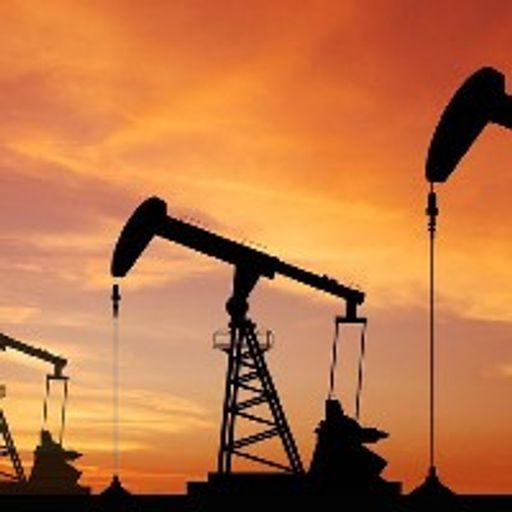

Reliable and up-to-date sources confirm that maritime traffic on the Strait of Hormuz remains severely restricted following the ceasefire, but the claim of completely zero tanker passages is not a definitive and verified fact.
According to international agencies, despite the ceasefire declared between the US and Iran, the strait has not been fully opened in practice. Energy transportation has largely come to a standstill, and hundreds of oil tankers are reportedly waiting to pass through. Furthermore, maritime data indicates movement far below normal daily levels, with only a few ships observed passing through on some days.
The situation remains critical, particularly for energy transportation. Despite the ceasefire, control mechanisms implemented by Iran are limiting passages, and major energy companies and tanker operators are staying away from the region due to insurance and security risks. Therefore, it is clear that oil and LNG flows have not yet normalized.
Some data indicates a very low number of ship movements in the last 24 hours, with a significant portion being non-tanker cargo ships, but the claim of definitively zero tanker passages is not corroborated by all sources. Instead, the general consensus is that traffic has almost come to a standstill.
Professional Assessment in this Context
Recent developments observed on the Strait of Hormuz, one of the most critical straits for global energy markets, once again highlight the decisive role of geopolitical risks in pricing. Despite the ceasefire declared between the US and Iran, the failure to normalize maritime traffic indicates that uncertainty structurally persists in the markets.
The sharp decline in the passage of energy tankers creates a perception of a serious supply contraction, supporting upward pressure on oil prices. However, the failure of the market's expectation of a rapid normalization after the ceasefire shows that the risk premium has not completely disappeared, but rather evolved into a different form.
The key element that stands out in this process is the divergence between physical flow and financial pricing. Although the ceasefire has provided short-term geopolitical relief, energy logistics have not yet been re-established due to operational uncertainties and security concerns. This shows that markets react not only to political statements but also to the actual conditions on the ground.
In conclusion, current data confirm that energy transportation across the strait is virtually at a standstill, but claims that it has completely dropped to zero should be evaluated cautiously. For global energy markets, this picture indicates that volatility may continue in the short term, while in the medium and long term, the theme of supply security will remain a decisive factor in investment decisions.
#OilEdgesHigher
#USIranCeasefireTalksFaceSetbacks
#AreYouBullishOrBearishToday?
#CreatorLeaderboard #GateSquareAprilPostingChallenge
$XTIUSD $XBRUSD