


Cơ bản
Giao ngay
Giao dịch tiền điện tử một cách tự do
Giao dịch ký quỹ
Tăng lợi nhuận của bạn với đòn bẩy
Chuyển đổi và Đầu tư định kỳ
0 Fees
Giao dịch bất kể khối lượng không mất phí không trượt giá
ETF
Sản phẩm ETF có thuộc tính đòn bẩy giao dịch giao ngay không cần vay không cháy tải khoản
Giao dịch trước giờ mở cửa
Giao dịch token mới trước niêm yết
Futures
Truy cập hàng trăm hợp đồng vĩnh cửu
TradFi
Vàng
Một nền tảng cho tài sản truyền thống
Quyền chọn
Hot
Giao dịch với các quyền chọn kiểu Châu Âu
Tài khoản hợp nhất
Tối đa hóa hiệu quả sử dụng vốn của bạn
Giao dịch demo
Bắt đầu với Hợp đồng
Nắm vững kỹ năng giao dịch hợp đồng từ đầu
Sự kiện tương lai
Tham gia sự kiện để nhận phần thưởng
Giao dịch demo
Sử dụng tiền ảo để trải nghiệm giao dịch không rủi ro
Launch
CandyDrop
Sưu tập kẹo để kiếm airdrop
Launchpool
Thế chấp nhanh, kiếm token mới tiềm năng
HODLer Airdrop
Nắm giữ GT và nhận được airdrop lớn miễn phí
Launchpad
Đăng ký sớm dự án token lớn tiếp theo
Điểm Alpha
Giao dịch trên chuỗi và nhận airdrop
Điểm Futures
Kiếm điểm futures và nhận phần thưởng airdrop
Đầu tư
Simple Earn
Kiếm lãi từ các token nhàn rỗi
Đầu tư tự động
Đầu tư tự động một cách thường xuyên.
Sản phẩm tiền kép
Kiếm lợi nhuận từ biến động thị trường
Soft Staking
Kiếm phần thưởng với staking linh hoạt
Vay Crypto
0 Fees
Thế chấp một loại tiền điện tử để vay một loại khác
Trung tâm cho vay
Trung tâm cho vay một cửa




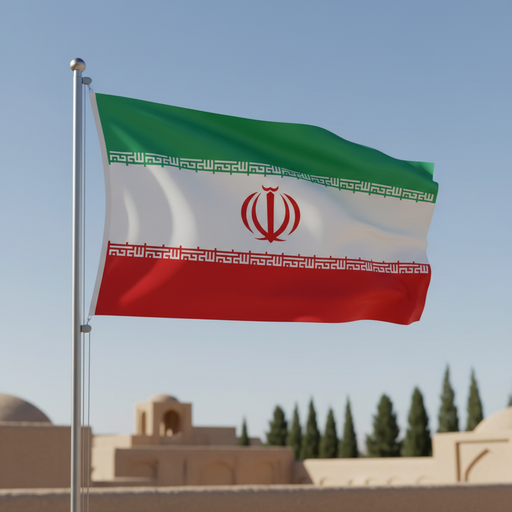


Russian Ministry Proposes ‘Crypto Ban’ – But Miners & Stablecoin Issuers May Be Safe
Per Frank Media, sources “familiar with the matter” told the news agency Interfax that the proposals could be bundled with the much-delayed crypto mining legalization bill, and have already been drafted.
The ministry wants to press ahead with legislation that would officially allow industrial miners to operate in the country.
Russia’s crypto mining sector is already highly advanced, due mainly to the nation’s rich energy resources and cold winter climate.
But mining is not currently recognized as a legal form of business, nor can it be taxed accordingly.
The ministry wants to rectify this.
And it hopes the mining bill will be passed by the State Duma soon.
But it has been hampered by the crypto-skeptic Central Bank.
The bank wants to blanket-ban “private” cryptoassets like Bitcoin (BTC).
In recent months, the bank has suggested it is ready to compromise on some aspects of its stance.
And it has reluctantly given the go-ahead to trade firms who use crypto to evade sanctions.
Is Crypto Legal in Russia?
Russian lawmakers have thus far only approved one piece of crypto-specific legislation.
This 2020 law bans the use of crypto as a form of payment and forbids firms from advertising crypto-releated services.
All other bills, proposals, and the like have failed to satisfy both the pro-industry ministry and the ever-skeptical Central Bank.
But perhaps in a bid to end the years-long impasse, the ministry has now reportedly suggested “prohibiting the organization of the circulation of [cryptoassets], with the exception of [crypto] mining.”
The proposals would effectively ban crypto exchanges and crypto ATMs from Russia.
But, perhaps unsurprisingly, the proposals are already facing challenges in Moscow.
Two “law enforcement agencies” have said they “oppose the amendments.”
They agencies reportedly believe that introducing “a ban on organizing the circulation of digital currency as a whole” requires “additional discussion.”
The Federal Security Service (FSB) reportedly said that the definition of “the organization of the circulation of [cryptoassets]” needed a clearer definition.
And the Investigative Committee, the nation’s main federal investigating authority, also said the “wording proposed by the Ministry of Finance” could “cause confusion.”
Police and other officials might also be concerned that it would be hard to enforce such as ban when, per government figures, some 12% of Russians own cryptoassets.
If these objections derail the ministry’s crypto plans, it would not be not the first time law enforcement agencies have seemingly thrown up an insurmountable obstacle.
The Central Bank has previously stated that miners’ tokens should only be sold on foreign crypto exchanges.
But law enforcement agencies objected, warning that this could lead to a rise in money laundering.