


Futures
Accédez à des centaines de contrats perpétuels
TradFi
Or
Une plateforme pour les actifs mondiaux
Options
Hot
Tradez des options classiques de style européen
Compte unifié
Maximiser l'efficacité de votre capital
Trading démo
Introduction au trading futures
Préparez-vous à trader des contrats futurs
Événements futures
Participez aux événements et gagnez
Demo Trading
Utiliser des fonds virtuels pour faire l'expérience du trading sans risque
Lancer
CandyDrop
Collecte des candies pour obtenir des airdrops
Launchpool
Staking rapide, Gagnez de potentiels nouveaux jetons
HODLer Airdrop
Conservez des GT et recevez d'énormes airdrops gratuitement
Launchpad
Soyez les premiers à participer au prochain grand projet de jetons
Points Alpha
Tradez on-chain et gagnez des airdrops
Points Futures
Gagnez des points Futures et réclamez vos récompenses d’airdrop.
Investissement
Simple Earn
Gagner des intérêts avec des jetons inutilisés
Investissement automatique
Auto-invest régulier
Double investissement
Profitez de la volatilité du marché
Staking souple
Gagnez des récompenses grâce au staking flexible
Prêt Crypto
0 Fees
Mettre en gage un crypto pour en emprunter une autre
Centre de prêts
Centre de prêts intégré


Plus






Russians Turn their Backs on Cash, Study Shows – Good News for CBDC & Crypto Adoption?
Disclosure: Crypto is a high-risk asset class. This article is provided for informational purposes and does not constitute investment advice. By using this website, you agree to our terms and conditions. We may utilise affiliate links within our content, and receive commission.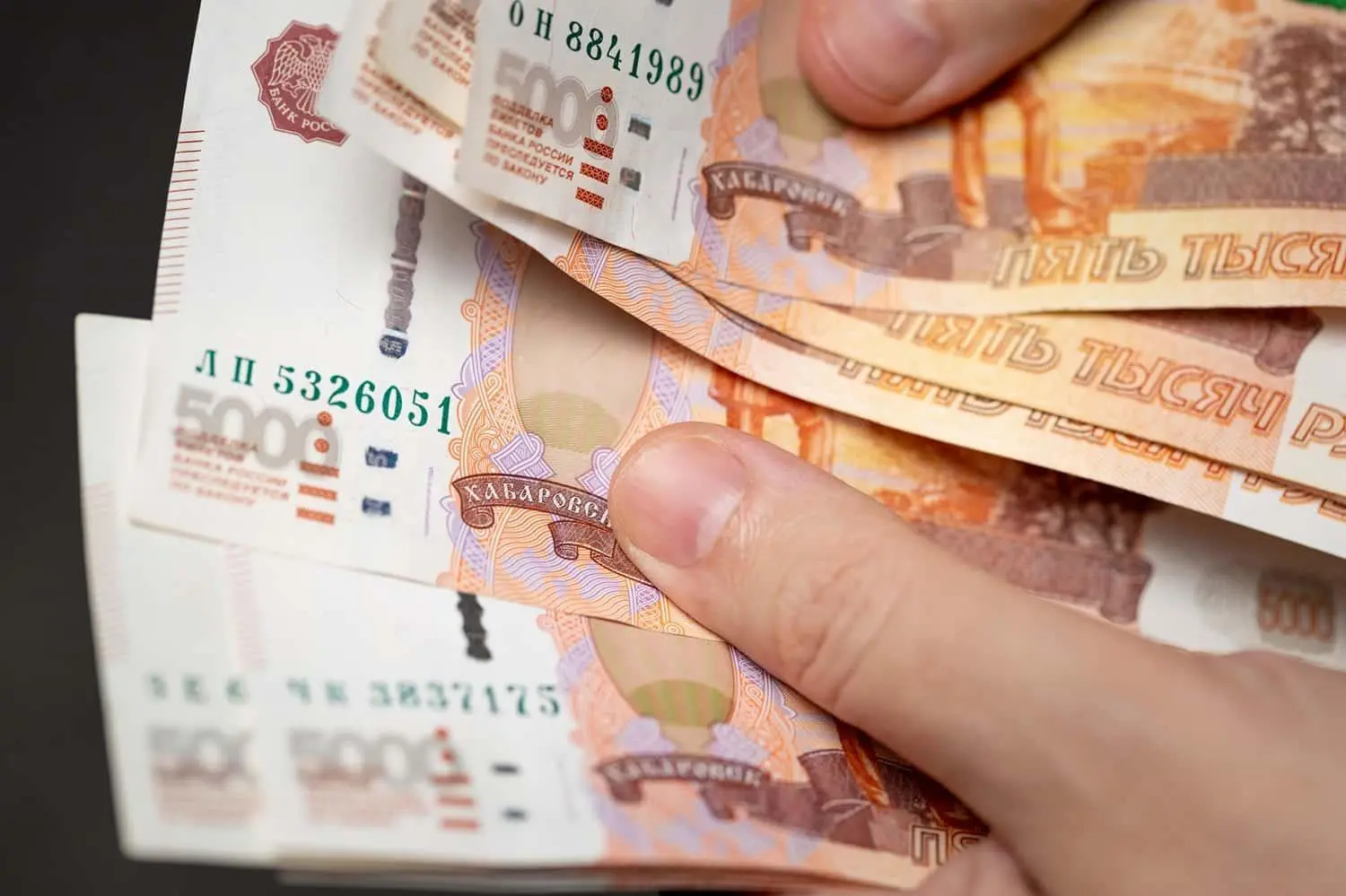
Source: hodim/Adobe
More Russians are rejecting cash in favor of “non-cash” payments, a study has found – as crypto adoption increases and the nation prepares for a CBDC launch.
Glavportal reported that “the share of non-cash turnover in Russia reached 64.2% in the third quarter of 2023,” per a study conducted by SberIndex and Check Index.
This figure beats the previous record of 63.3%, which was set in the first quarter of FY 2023.
The study’s authors noted that the increase over the same period in FY 2022 was +3.6%.
Surprisingly, perhaps, the biggest changes were seen in some of Russia’s more remote regions.
Topping the list was the far-northern Nenets Autonomous Okrug, where almost 76% of payments are non-cash.
And it was here that the rise in non-cash payments was the steepest – with quarterly growth hitting 3.2%.
The highest rate of year-on-year growth was also recorded in many of Russia’s more remote regions, such as the Tuva Republic in Southern Siberia – with a growth rate of over 7%.
However, bigger urban centers also saw a drop in the demand for cash, with non-cash payments rising by almost 8% in Ussuriysk and 7.5% in Vladivostok.
Retail Sector Leading the Way?
A VTB Bank official was quoted as estimating that the “volume of non-cash payments in retail turnover will be 84% at the end of 2023.”
The same official claimed that retail POS turnover would hit another all-time high at the end of 2024, and would exceed 2022 figures by 18%.
Russian law forbids the use of crypto as a form of payment, and citizens have been barred from using most major international exchanges.
But both Russian analysts and the Central Bank agree that P2P crypto transactions are on the rise.
Government officials have previously claimed that up to 12% of Russian citizens hold crypto.
Corporations are also turning to crypto as a payment tool, in a bid to circumvent US and EU-led sanctions.
Russian Crypto Mining Sector on the March
Tass also reported that energy consumption has risen by 1.2% in the nation since the start of the year.
Quoting the Russian energy ministry, the news agency noted that “by the end of 2023, electricity consumption growth is expected to hit 1.5%.”
The ministry claimed that “large industrial projects, especially in the Far East,” would likely continue to propel energy consumption.
Some of this growth likely comes from Russia’s growing crypto mining sector, with major oil producers now working with mining firms.
The Central Bank has sought to temper expectations of a 2024 rollout, but is set to at least double the size of its CBDC pilot in the year ahead.
Currently, around 600 private citizens and 13 banks are using the digital ruble to pay for goods and services.
The government, meanwhile, hopes that “color-coded” CBDC coins will help drive down corruption and fraud.
With cash payments on the decline, the bank and its partners may hope to strike while the iron is hot – and deliver a CBDC-shaped death blow to banknotes and coins.