


Futuros
Aceda a centenas de contratos perpétuos
TradFi
Ouro
Plataforma de ativos tradicionais globais
Opções
Hot
Negoceie Opções Vanilla ao estilo europeu
Conta Unificada
Maximize a eficiência do seu capital
Negociação de demonstração
Introdução à negociação de futuros
Prepare-se para a sua negociação de futuros
Eventos de futuros
Participe em eventos para recompensas
Negociação de demonstração
Utilize fundos virtuais para experimentar uma negociação sem riscos
Lançamento
CandyDrop
Recolher doces para ganhar airdrops
Launchpool
Faça staking rapidamente, ganhe potenciais novos tokens
HODLer Airdrop
Detenha GT e obtenha airdrops maciços de graça
Launchpad
Chegue cedo ao próximo grande projeto de tokens
Pontos Alpha
Negoceie ativos on-chain para airdrops
Pontos de futuros
Ganhe pontos de futuros e receba recompensas de airdrop
Investimento
Simple Earn
Ganhe juros com tokens inativos
Investimento automático
Invista automaticamente de forma regular.
Investimento Duplo
Aproveite a volatilidade do mercado
Soft Staking
Ganhe recompensas com staking flexível
Empréstimo de criptomoedas
0 Fees
Dê em garantia uma criptomoeda para pedir outra emprestada
Centro de empréstimos
Centro de empréstimos integrado


Mais





Turkey Nears Completion of Crypto Framework; Minister Confirms FATF Compliance
Last updated: January 9, 2024 21:54 EST . 3 min read
Disclosure: Crypto is a high-risk asset class. This article is provided for informational purposes and does not constitute investment advice. By using this website, you agree to our terms and conditions. We may utilise affiliate links within our content, and receive commission.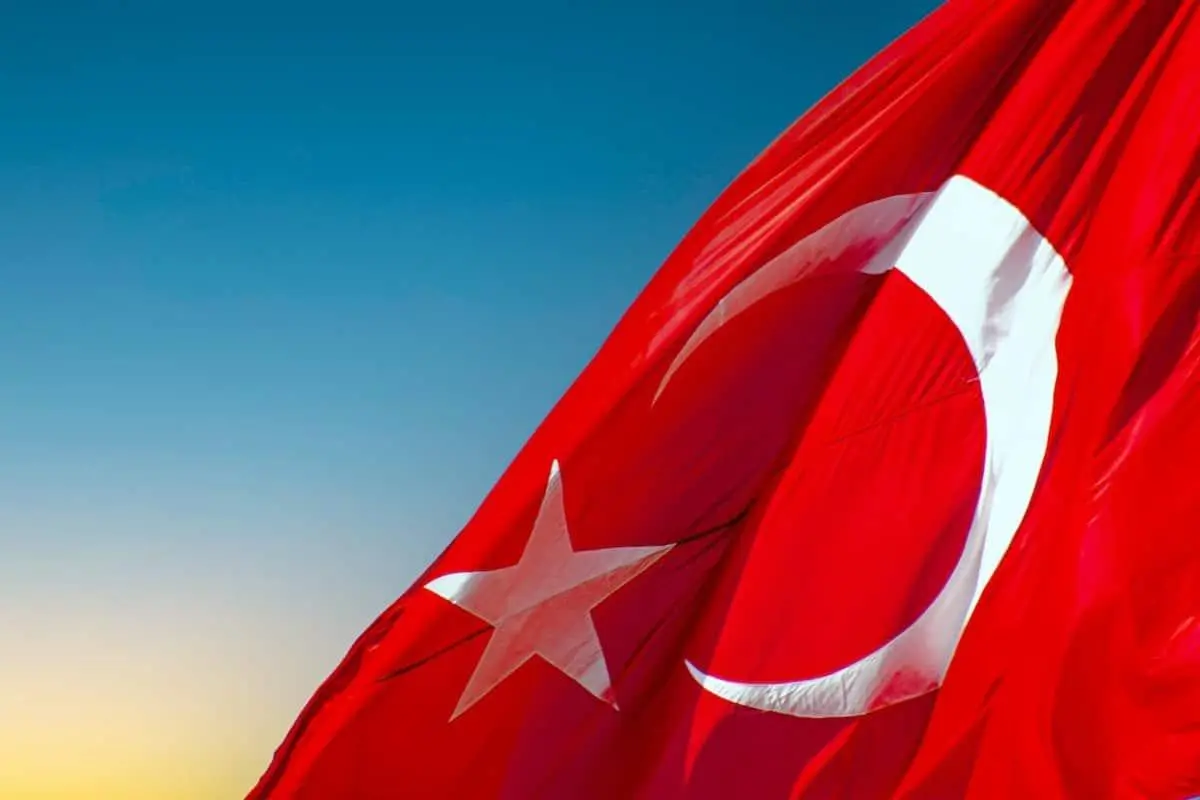 Turkey Crypto Regulation Source: Adobe / HusamexTurkey’s Minister of Treasury and Finance, Mehmet Simsek, announced that Turkey is reportedly in the final stages of preparing a legal regulation for crypto assets. He also shared insights into the imminent cryptocurrency law and compliance with the Financial Action Task Force (FATF) standards, emphasizing its broad definition.
In an interview on January 10 with Anadolu Agency in Turkey, Şimşek revealed details about the regulatory approach. Şimşek stated that there had been significant interest in crypto asset buying and selling platforms, bringing both opportunities and risks.
Şimşek emphasized the need to take steps to mitigate risks associated with abuse on some platforms and excessive price movements. He stated that these steps align with international practices and are part of the efforts to get out of the gray list of the Financial Action Task Force (FATF).
Internationally, ious countries, including the USA and European nations, adopt different practices in regulating crypto assets. Şimşek expressed the need for Turkey to take regulatory steps that align with its financial and legal s. He emphasized the importance of staying informed about global developments.
The draft regulations include inclusive definitions for crypto assets, wallets, crypto asset service providers, crypto asset custody services, and crypto asset buying and selling platforms. Şimşek has laid out an example of crypto assets’ definition:
Şimşek highlighted that the Central Bank and the Financial Crimes Investigation Board (MASAK) already have regulations on this matter, but more needs to be done. The legal work aims to regulate platforms and the transactions occurring there.
Under the proposed regulations, crypto asset trading platforms will be licensed by the Capital Market Board of Turkey (CMB). What’s more, minimum operating conditions will be imposed, similar to those of financial institutions. These conditions will cover founders and managers, organizational obligations, capital requirements, and IT infrastructure obligations.
Turkey’s Capital Markets Board (CMB) Drafts Regulation for Crypto Asset Trading Platforms
According to Şimşek, the crypto asset trading platforms will require and obtain licenses from the CMB. These will be subject to operational requirements similar to those for financial institutions.
The CMB will have the authority to regulate the issuance of capital market instruments as crypto assets. Additionally, the draft includes provisions for crowdfunding methods to sell blockchain technology infrastructure-related crypto assets.
While the current regulation does not focus on taxes, Şimşek stated that the tax issue will be studied separately. The CMB aims to adopt a policy of not interfering with listed crypto assets on platforms. However, it will require platforms to have written procedures for determining traded assets. The CMB will regulate additional principles and interventions when necessary, emphasizing the preservation of investors’ assets against the risk of abuse.
The draft also addresses the issue of custody for investors. The CMB will be regulating the principles and determining institutions authorized to hold custody. The legal framework for measures and sanctions will also be established.
Notably, the Turkish Presidential Annual Program for 2024, released in the Official Gazette of the Republic of Turkey on October 25, outlines the goal of completing cryptocurrency regulations in the country by the end of 2024. Article 400.5 in the document details the efforts to establish clear definitions for crypto assets. This potentially opens the door for their taxation in the future.
The program also aims to provide legal definitions for crypto asset providers, specifically mentioning cryptocurrency exchanges. However, it doesn’t provide specific details regarding the elements of the upcoming regulatory framework.
As of December 2022, the Central Bank of the Republic of Turkey had successfully conducted the initial trial of its central bank digital currency, the digital lira, expressing intentions to continue testing into 2024.