


Futuros
Aceda a centenas de contratos perpétuos
TradFi
Ouro
Plataforma de ativos tradicionais globais
Opções
Hot
Negoceie Opções Vanilla ao estilo europeu
Conta Unificada
Maximize a eficiência do seu capital
Negociação de demonstração
Introdução à negociação de futuros
Prepare-se para a sua negociação de futuros
Eventos de futuros
Participe em eventos para recompensas
Negociação de demonstração
Utilize fundos virtuais para experimentar uma negociação sem riscos
Lançamento
CandyDrop
Recolher doces para ganhar airdrops
Launchpool
Faça staking rapidamente, ganhe potenciais novos tokens
HODLer Airdrop
Detenha GT e obtenha airdrops maciços de graça
Launchpad
Chegue cedo ao próximo grande projeto de tokens
Pontos Alpha
Negoceie ativos on-chain para airdrops
Pontos de futuros
Ganhe pontos de futuros e receba recompensas de airdrop
Investimento
Simple Earn
Ganhe juros com tokens inativos
Investimento automático
Invista automaticamente de forma regular.
Investimento Duplo
Aproveite a volatilidade do mercado
Soft Staking
Ganhe recompensas com staking flexível
Empréstimo de criptomoedas
0 Fees
Dê em garantia uma criptomoeda para pedir outra emprestada
Centro de empréstimos
Centro de empréstimos integrado
Centro de Património VIP
Aumento de património premium
Gestão de património privado
Alocação de ativos premium
Fundo Quant
Estratégias quant de topo
Staking
Faça staking de criptomoedas para ganhar em produtos PoS
Alavancagem inteligente
New
Alavancagem sem liquidação
Cunhagem de GUSD
Cunhe GUSD para retornos RWA


Mais




Hydropower Fuels Kyrgyzstan’s Crypto Mining Industry
Last updated: January 2, 2024 06:57 EST . 2 min read
Disclosure: Crypto is a high-risk asset class. This article is provided for informational purposes and does not constitute investment advice. By using this website, you agree to our terms and conditions. We may utilise affiliate links within our content, and receive commission.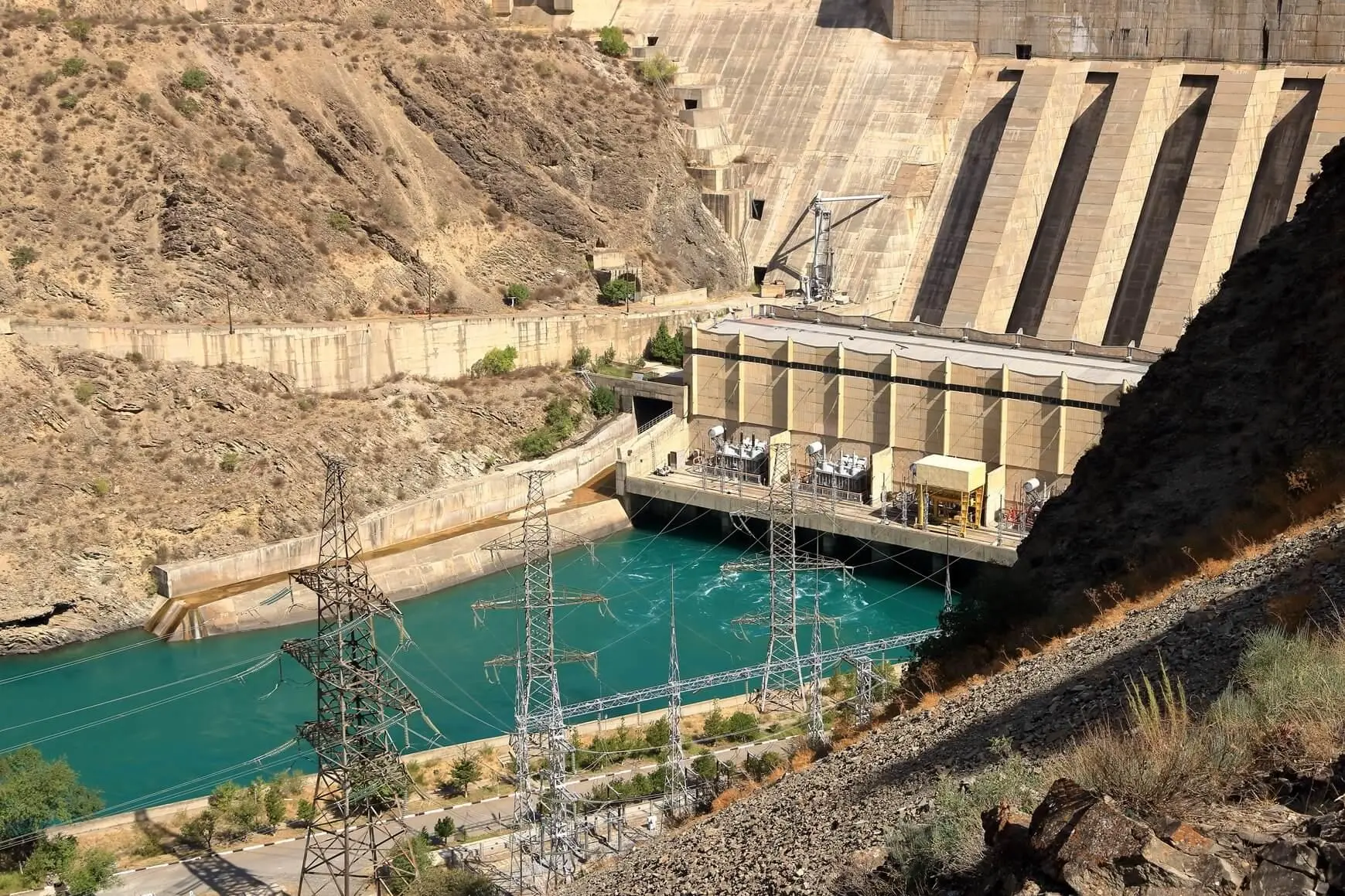 Kurpsai Hydro station. Lower Naryn River Canyon near Toktogul in Kyrgyzstan. Source: AdobeStock / DynamolandKyrgyzstan’s water-rich environment has the potential to provide a necessary boost for the country’s crypto mining industry – but that power is currently difficult to access.
The Central-Asian country boasts beautiful nature and within it – importantly for miners – a large amount of water resources.
According to the country’s government,
The country has more than 2,000 rivers longer than 10 km long. Furthermore, “a significant amount” of water is concentrated in lakes, small ponds, and reservoirs, covering 6,836 square kilometers Additionally, there are 6,580 glaciers, with reserves of about 760 billion cubic meters.
However, the country still has to import electricity due to ious restrictions and technical issues.
These resources may eventually be key to the growth of Kyrgyzstan’s crypto mining industry.
According to Energy Minister Taalaibek Ibraev, as published last month in local media, all mining farm owners also own small hydroelectric power stations.
The Minister stated that,
That said, the country’s single mining farm buys electricity in Kazakhstan and pays Kyrgyzstan for transit.
One Farm Standing
There has been quite a change in the country’s mining eco over the past year.
Despite supporters in political circles who called for the industry to be legalized, miners were heavily restricted by a state of emergency in the energy sector that began in August.
As of October 2023, only one crypto mining farm was operational.
That said, Kyrgyz President Sadyr Japarov approved the construction of a crypto mining farm in July. The government planned to spend up to $20 million to construct a facility at the Kambar-Ata-2 Hydro Power Plant. This is the way to use the excess power, the president said.
But running a crypto farm is also very expensive. Besides paying for transit, as well as all the energy-related costs, crypto mining is tariffed at the highest rate allowed in the country.
Mining Taxes Filling Budget
Asked whether the one farm standing should be closed as well, Energy Minister Taalaibek Ibraev said,
Therefore, crypto farms are beneficial to the country’s budget.
A December report revealed that in November, budget revenue from the mining tax amounted to 7.64 million soms (USD 85,760).
Over the month, the figure increased by 414,000 some (USD 4,650).
The highest figure seen since the beginning of 2023 was in August: 11.6 million (USD 130,210).
Notably, the payments began to grow in the second quarter of the year, the report said.