


Futuros
Aceda a centenas de contratos perpétuos
TradFi
Ouro
Plataforma de ativos tradicionais globais
Opções
Hot
Negoceie Opções Vanilla ao estilo europeu
Conta Unificada
Maximize a eficiência do seu capital
Negociação de demonstração
Introdução à negociação de futuros
Prepare-se para a sua negociação de futuros
Eventos de futuros
Participe em eventos para recompensas
Negociação de demonstração
Utilize fundos virtuais para experimentar uma negociação sem riscos
Lançamento
CandyDrop
Recolher doces para ganhar airdrops
Launchpool
Faça staking rapidamente, ganhe potenciais novos tokens
HODLer Airdrop
Detenha GT e obtenha airdrops maciços de graça
Launchpad
Chegue cedo ao próximo grande projeto de tokens
Pontos Alpha
Negoceie ativos on-chain para airdrops
Pontos de futuros
Ganhe pontos de futuros e receba recompensas de airdrop
Investimento
Simple Earn
Ganhe juros com tokens inativos
Investimento automático
Invista automaticamente de forma regular.
Investimento Duplo
Aproveite a volatilidade do mercado
Soft Staking
Ganhe recompensas com staking flexível
Empréstimo de criptomoedas
0 Fees
Dê em garantia uma criptomoeda para pedir outra emprestada
Centro de empréstimos
Centro de empréstimos integrado
Centro de Património VIP
Aumento de património premium
Gestão de património privado
Alocação de ativos premium
Fundo Quant
Estratégias quant de topo
Staking
Faça staking de criptomoedas para ganhar em produtos PoS
Alavancagem inteligente
New
Alavancagem sem liquidação
Cunhagem de GUSD
Cunhe GUSD para retornos RWA


Mais






Atomic Wallet Offers $1 Million Bug Bounty Amid Security Lawsuit
Disclosure: Crypto is a high-risk asset class. This article is provided for informational purposes and does not constitute investment advice. By using this website, you agree to our terms and conditions. We may utilise affiliate links within our content, and receive commission.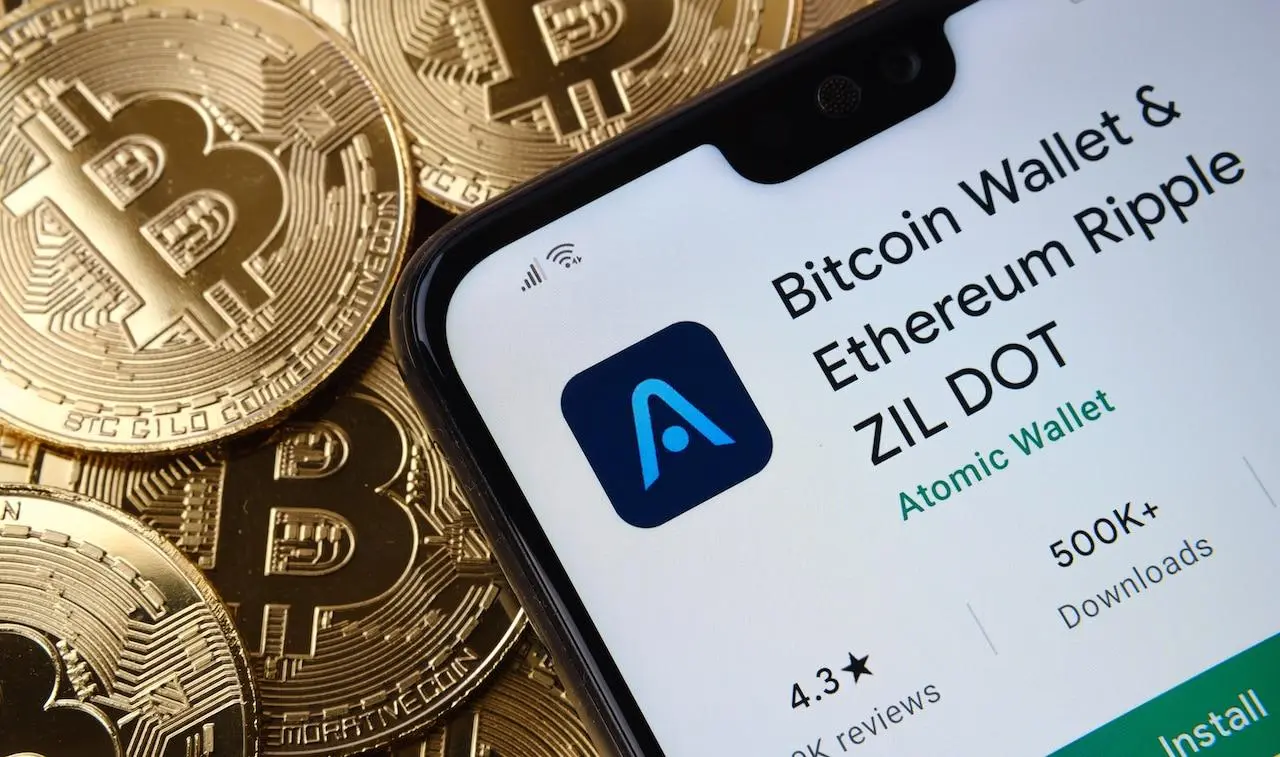 Source: Adobe / AscannioAmid an ongoing class-action lawsuit related to a $100-million hack in June, the developer of Atomic Wallet has launched a $1-million bug bounty program aimed at identifying security flaws in its wallet software.
In an announcement on December 18, the development team invited ethical hackers and security experts globally to scrutinize the open-source code for potential vulnerabilities.
White hat hackers who discover the most severe vulnerabilities, defined as those allowing an over-the-internet attack without physical access, installed malware, or social engineering, stand to earn $100,000 under the program.
The bug bounty program is designed to enhance the security of the wallet and minimize the risk of future cyber threats.
The bounty program also offers compensation ranging from $500 to $10,000 for hackers who identify bugs or flaws not meeting the criteria of the most serious vulnerabilities.
The reward depends on the severity of the vulnerability, with $5,000 allocated for a “high-risk” discovery and $10,000 for a “critical-risk” one.
The total bounty pool for all discoveries is set at $1 million.
Harnessing the ‘expertise of the global community’
Konstantin Gladych, founder of Atomic Wallet, expressed confidence in the bug bounty program’s ability to harness global expertise and creativity to bolster cybersecurity.
“Recent events in the blockchain industry have once again reminded us that cybersecurity is a dynamic field, and the best way to stay ahead is by harnessing the creativity and expertise of the global community,” he said.
$100 million hacking incident
Atomic Wallet in June this year suffered a $100 million hacking incident.
About 5,500 users of the non-custodial cryptocurrency wallet were affected by the hack which has been linked to the North Korean Lazarus Group.
Two months later, the incident led victims to launch a class action lawsuit against Atomic Wallet for compensation.
According to reports at the time, the claims rest on the company’s inaction to share proper information about the incident with users, and the failure to provide law enforcement with the same information.
While Atomic Wallet previously has acknowledged reports of lost funds from the cybersecurity attack, the company has claimed that only 0.1% of users were affected by it.