


Futuros
Aceda a centenas de contratos perpétuos
TradFi
Ouro
Plataforma de ativos tradicionais globais
Opções
Hot
Negoceie Opções Vanilla ao estilo europeu
Conta Unificada
Maximize a eficiência do seu capital
Negociação de demonstração
Introdução à negociação de futuros
Prepare-se para a sua negociação de futuros
Eventos de futuros
Participe em eventos para recompensas
Negociação de demonstração
Utilize fundos virtuais para experimentar uma negociação sem riscos
Lançamento
CandyDrop
Recolher doces para ganhar airdrops
Launchpool
Faça staking rapidamente, ganhe potenciais novos tokens
HODLer Airdrop
Detenha GT e obtenha airdrops maciços de graça
Launchpad
Chegue cedo ao próximo grande projeto de tokens
Pontos Alpha
Negoceie ativos on-chain para airdrops
Pontos de futuros
Ganhe pontos de futuros e receba recompensas de airdrop
Investimento
Simple Earn
Ganhe juros com tokens inativos
Investimento automático
Invista automaticamente de forma regular.
Investimento Duplo
Aproveite a volatilidade do mercado
Soft Staking
Ganhe recompensas com staking flexível
Empréstimo de criptomoedas
0 Fees
Dê em garantia uma criptomoeda para pedir outra emprestada
Centro de empréstimos
Centro de empréstimos integrado


Mais





South Korean City Busan Names Digital Exchange Preferred Bidder
Disclosure: Crypto is a high-risk asset class. This article is provided for informational purposes and does not constitute investment advice. By using this website, you agree to our terms and conditions. We may utilise affiliate links within our content, and receive commission.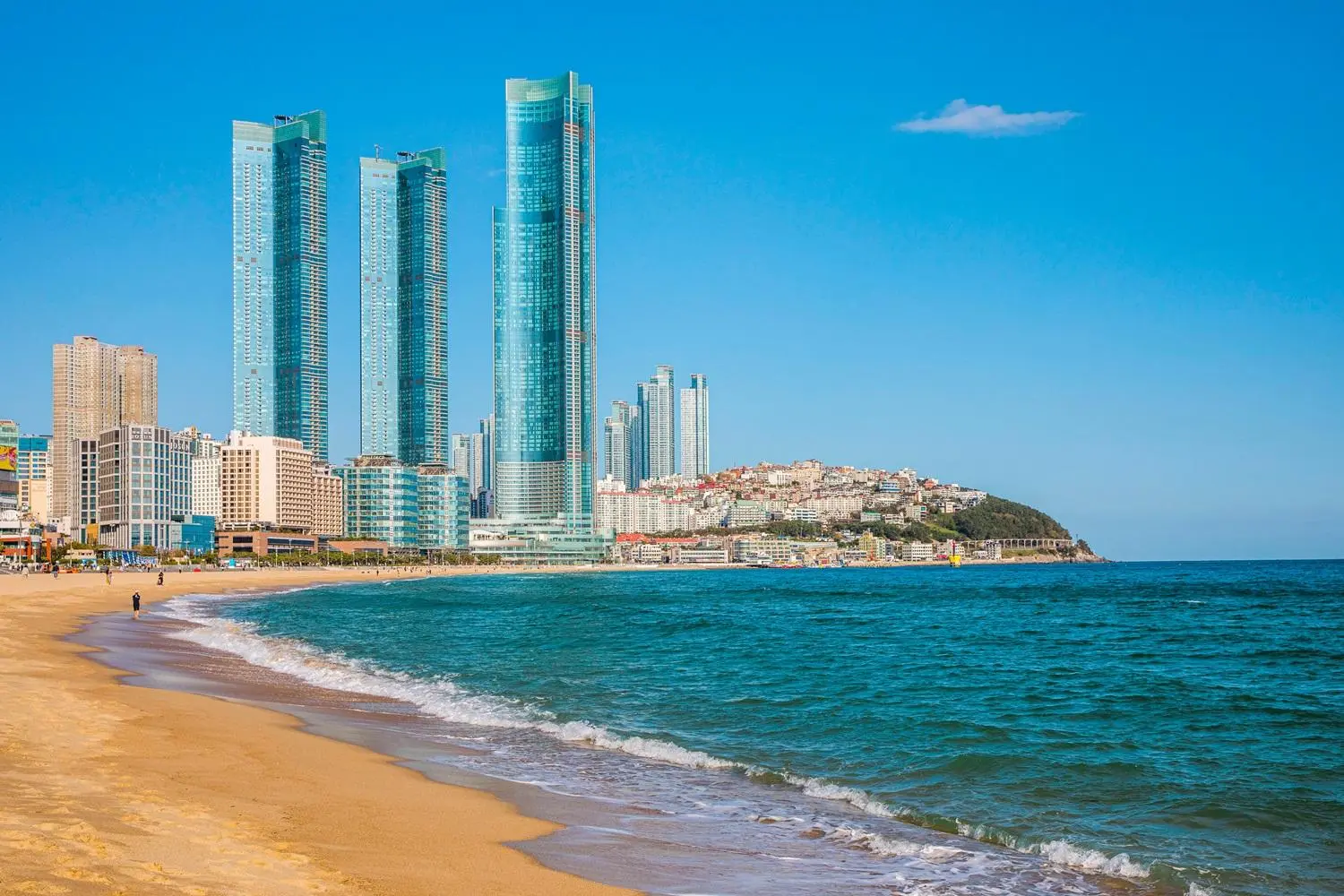 Source: SeongGyun/AdobeThe South Korean city of Busan is edging closer to the launch of a long-awaited blockchain-powered digital assets trading platform, and has named a preferred bidder.
The city has previously pledged to launch the world’s first city government-run exchange before the end of 2023.
This ambitious timeline looks set to expire. But the city has moved a step closer to launch by naming a preferred bidder in an operating tender.
The city named a consortium of small- and medium-sized firms named the Busan BDX Consortium.
The consortium comprises 11 companies. These include IT firms, financial institutions, and other Busan-based businesses.
Per the newspaper Kookje Shinmun, the consortium is led by ITcen, a tech “infrastructure and IT technology” specialist with a market capitalization of around $123 million.
The consortium beat competition including the gaming giant WeMade, the firm behind the WEMIX cryptoasset. The media outlet wrote:
However, all but one of the exchanges have since relisted the coin, leading to divisions within the industry.
Other experts believe that the city wanted to work with firms that have a stronger presence in Busan, and understand the complexities of the “local industrial eco.”
The city will now ask the Busan City Council to vote on the launch of the platform.
After this, the consortium will likely sign a business agreement with the city in January.
The exchange operator will reportedly “take full control of operation and ownership, including investment in exchange facility costs.”
The city, meanwhile, will provide administrative and financial support to “ensure the successful operation of the exchange.”
What Will Busan’s Digital Exchange Trade?
The city originally envisaged the exchange as a crypto and securities token offering (STO) trading platform.
However, it has encountered a number of regulatory hurdles that have seen it shelve plans to trade cryptoassets.
The government’s reluctance to legalize STOs – despite its pledges to do so – has frustrated many major domestic firms, who have been anxiously waiting for the green light to launch services.
Instead, the platform will initially handle tokenized commodities such as precious metals.
It will also handle tokenized intellectual property rights and carbon emissions-related tokens and certificates.
City Outlines Long-term Plans
The city said that it plans to “expand the scope of transactions” on the platform “in the long term.” An anonymous industry insider said:
Another expert stated that “exchanges can only survive if they handle large transaction volumes, adding: