


Futuros
Aceda a centenas de contratos perpétuos
TradFi
Ouro
Plataforma de ativos tradicionais globais
Opções
Hot
Negoceie Opções Vanilla ao estilo europeu
Conta Unificada
Maximize a eficiência do seu capital
Negociação de demonstração
Introdução à negociação de futuros
Prepare-se para a sua negociação de futuros
Eventos de futuros
Participe em eventos para recompensas
Negociação de demonstração
Utilize fundos virtuais para experimentar uma negociação sem riscos
Lançamento
CandyDrop
Recolher doces para ganhar airdrops
Launchpool
Faça staking rapidamente, ganhe potenciais novos tokens
HODLer Airdrop
Detenha GT e obtenha airdrops maciços de graça
Launchpad
Chegue cedo ao próximo grande projeto de tokens
Pontos Alpha
Negoceie ativos on-chain para airdrops
Pontos de futuros
Ganhe pontos de futuros e receba recompensas de airdrop
Investimento
Simple Earn
Ganhe juros com tokens inativos
Investimento automático
Invista automaticamente de forma regular.
Investimento Duplo
Aproveite a volatilidade do mercado
Soft Staking
Ganhe recompensas com staking flexível
Empréstimo de criptomoedas
0 Fees
Dê em garantia uma criptomoeda para pedir outra emprestada
Centro de empréstimos
Centro de empréstimos integrado
Centro de Património VIP
Aumento de património premium
Gestão de património privado
Alocação de ativos premium
Fundo Quant
Estratégias quant de topo
Staking
Faça staking de criptomoedas para ganhar em produtos PoS
Alavancagem inteligente
New
Alavancagem sem liquidação
Cunhagem de GUSD
Cunhe GUSD para retornos RWA


Mais





ECB Study Reveals Minimal Environmental Impact of Euro Banknotes – How Does Crypto Compare?
Disclosure: Crypto is a high-risk asset class. This article is provided for informational purposes and does not constitute investment advice. By using this website, you agree to our terms and conditions. We may utilise affiliate links within our content, and receive commission.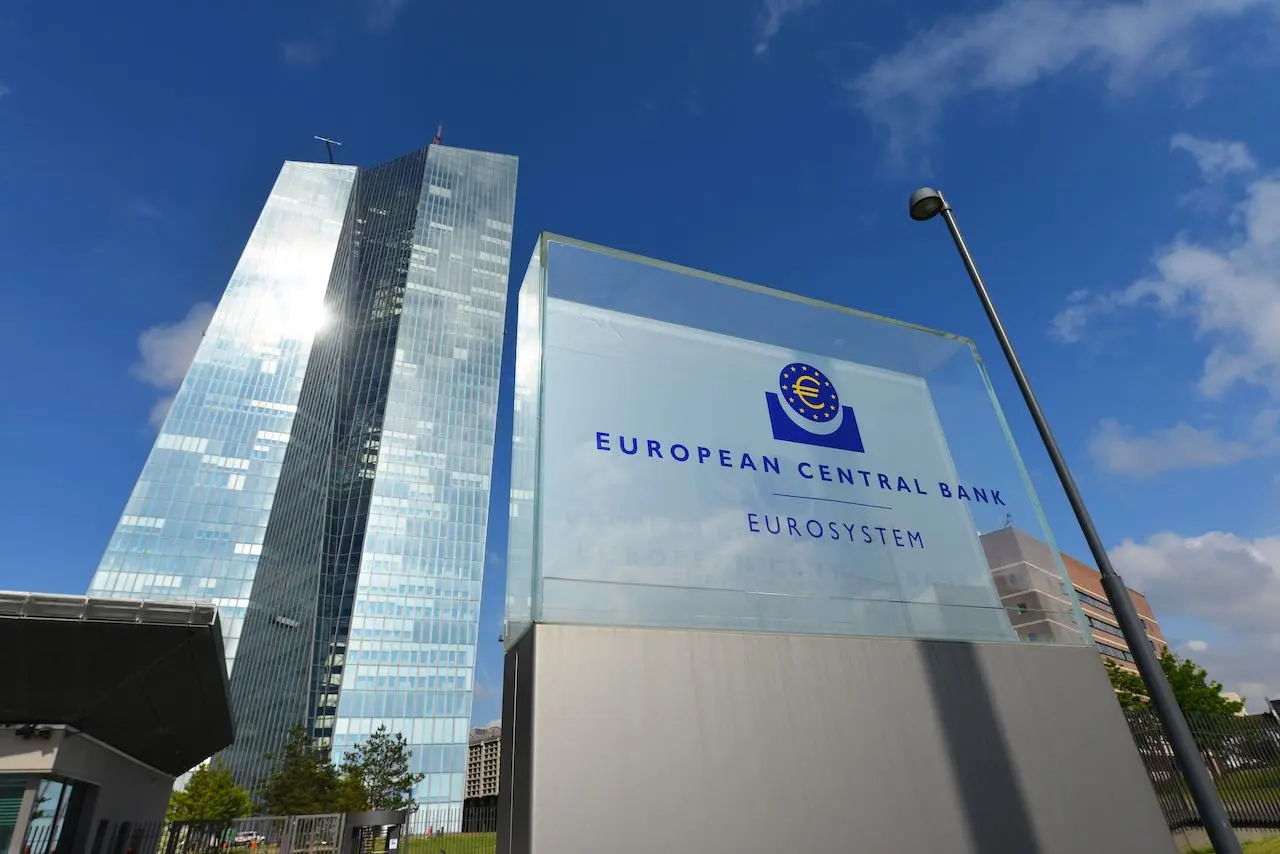 Source: Adobe / nmann77It’s not just crypto: old-fashioned banknotes have a noticeable energy footprint worth reducing, according to the European Central Bank (ECB).
In a newly published report, the central bank outlined how the elaborate physical infrastructure used to support eurozone cash can affect the environment – from the acquisition of raw materials to the distribution of banknotes themselves.
Going by the European Commission’s methodology, the environmental impact of a typical euro area citizen’s annual consumption activities using cash is roughly equal to driving a standard car for eight kilometers.
That’s an incredibly low score compared to other everyday products. For example, the Commission measures the impact of a cotton t-shirt that is washed once a week to have an annual impact equal to driving fifty-five kilometers.
In light of the figure, the ECB wrote:
According to the study, the core environmental impact of banknotes comes from powering ATMs (37%) and transportation (35%), alongside processing during the distribution stage (10%). Another 14% is related to paper manufacturing and authenticating at the point of sale.
The ECB noted that cash remains the most commonly used form of payment in the euro area. It reported a survey in February showing that over half of payments in shops and restaurants in Europe are still made with coins or banknotes.
Though the ECB has begun researching the potential launch of a digital euro, President Christine Lagarde has emphasized that its launch would not be designed to eradicate cash.
How Bitcoin Compares
Bitcoin (BTC) consumes far more energy than European cash – a fact oft-repeated by the ECB and its crypto critical President.
As the central bank warned in a prior report, the entire Bitcoin network consumes energy rivaling certain small and mid-sized countries including Spain and the Netherlands. It wrote:
The ECB has also emphasized that BTC does not meet the criteria of a “currency” since it is too volatile and lacks adoption as a medium of exchange.
Bitcoin’s high energy consumption is due to its proof of work consensus mechanism, which is required to keep its ledger of transactions decentralized. Bitcoin miners – the entities that consume such power – are rewarded with newly issued BTC.
Survey data from the Bitcoin Mining Council and other research suggests that over half of the Bitcoin mining industry is powered by renewable energy.