


Futuros
Aceda a centenas de contratos perpétuos
TradFi
Ouro
Plataforma de ativos tradicionais globais
Opções
Hot
Negoceie Opções Vanilla ao estilo europeu
Conta Unificada
Maximize a eficiência do seu capital
Negociação de demonstração
Introdução à negociação de futuros
Prepare-se para a sua negociação de futuros
Eventos de futuros
Participe em eventos para recompensas
Negociação de demonstração
Utilize fundos virtuais para experimentar uma negociação sem riscos
Lançamento
CandyDrop
Recolher doces para ganhar airdrops
Launchpool
Faça staking rapidamente, ganhe potenciais novos tokens
HODLer Airdrop
Detenha GT e obtenha airdrops maciços de graça
Launchpad
Chegue cedo ao próximo grande projeto de tokens
Pontos Alpha
Negoceie ativos on-chain para airdrops
Pontos de futuros
Ganhe pontos de futuros e receba recompensas de airdrop
Investimento
Simple Earn
Ganhe juros com tokens inativos
Investimento automático
Invista automaticamente de forma regular.
Investimento Duplo
Aproveite a volatilidade do mercado
Soft Staking
Ganhe recompensas com staking flexível
Empréstimo de criptomoedas
0 Fees
Dê em garantia uma criptomoeda para pedir outra emprestada
Centro de empréstimos
Centro de empréstimos integrado
Centro de Património VIP
Aumento de património premium
Gestão de património privado
Alocação de ativos premium
Fundo Quant
Estratégias quant de topo
Staking
Faça staking de criptomoedas para ganhar em produtos PoS
Alavancagem inteligente
New
Alavancagem sem liquidação
Cunhagem de GUSD
Cunhe GUSD para retornos RWA


Mais






South Korean Regulator Rules NFTs Are Not Subject to Crypto Law
Disclosure: Crypto is a high-risk asset class. This article is provided for informational purposes and does not constitute investment advice. By using this website, you agree to our terms and conditions. We may utilise affiliate links within our content, and receive commission.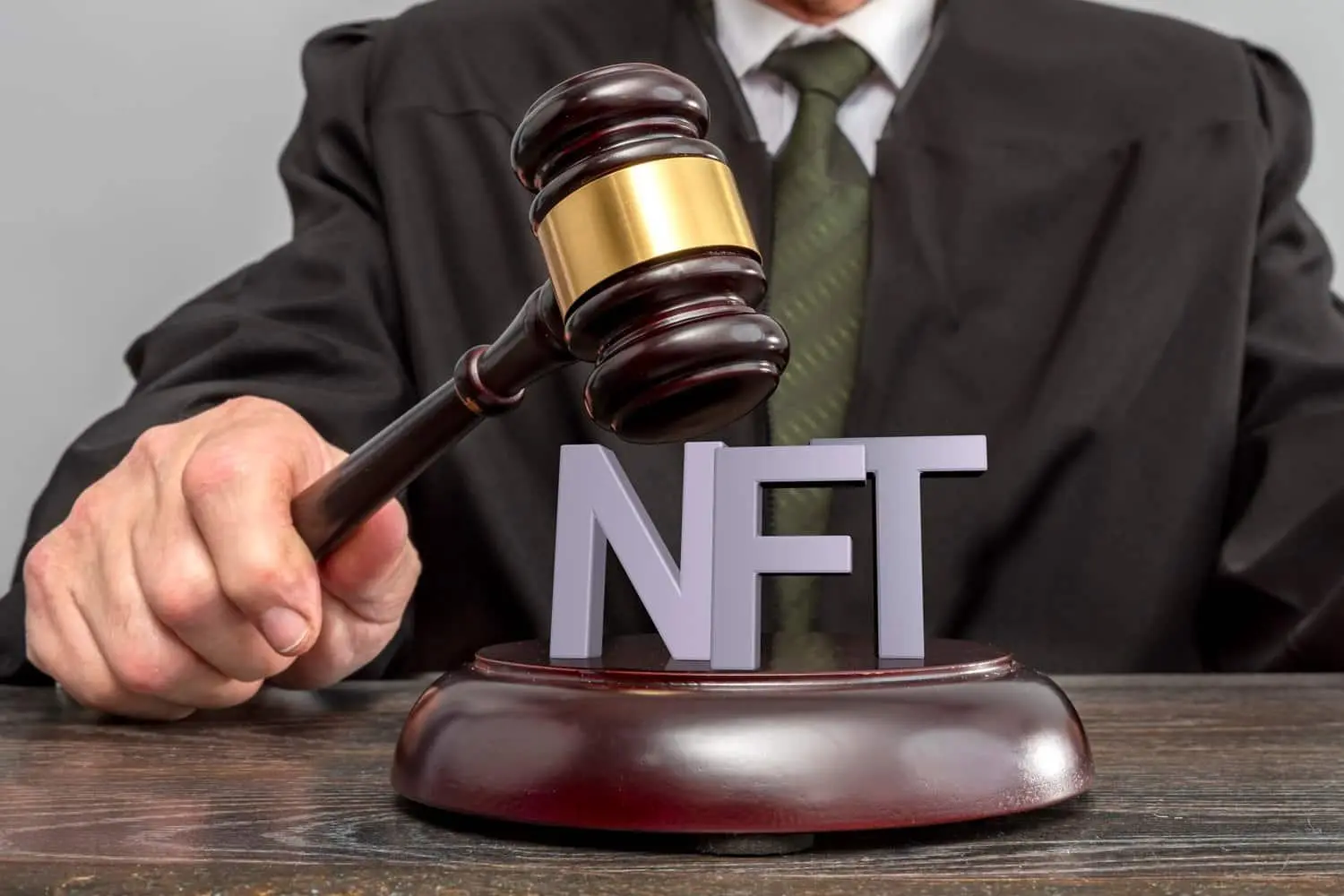 Source: TSViPhoto/AdobeSouth Korean financial regulators have said NFTs are not subject to the same rules as cryptoassets, a ruling that may buoy token issuers and blockchain gaming firms.
Per News1, the Financial Services Commission (FSC), the nation’s top regulator, stated that “following CBDCs,” NFTs will also be “excluded from” its “lists of virtual assets.”
The FSC has previously created separate regulations for CBDCs. Lawmakers have also created legislation that distinguishes digital fiat from tokens like Bitcoin (BTC).
The Virtual Asset User Protection Act defines cryptoassets as “electronic tokens that have economic value and can be traded or transferred electronically.”
Some claimed that this phrasing does not make it clear if NFTs can legally be considered as cryptoassets.
In the past, gaming regulators refused to issue licenses to video games that make use of NFTs.
Critics claim this has effectively blocked the progress of blockchain gaming in the nation.
However, the FSC claimed that as NFTs are “unique and irreplaceable,” they pose a “limited” risk to the financial .
The regulator ruled that most NFTS are “mainly traded for collection purposes,” as opposed to crypto – which it feels is mainly used as a speculative tool.
NFTs Not Subject to South Korean Crypto Law – But There Are Exceptions
Despite the statement, not all NFT issuers will be covered by the new ruling. The regulator added several caveats to its ruling.
It explained that some NFTs could still be considered to be “virtual assets” in certain conditions.
Namely, these include NFTs that are “issued in large quantities like typical virtual assets and traded in a fungible manner.”
NFTs that can “be used as a means of payment for specific goods or services” will also be classified as cryptoassets.
Additionally, the FSC has also ruled that banks that hold crypto exchange users’ fiat must pay interest on deposits.
Previously, the Virtual Asset User Protection Act required virtual asset business operators to separate users’ deposits from their own assets and use custodial services.
But the new decree requires exchanges to use banks as custodians. And it dictates that banks must pay interest on fiat holdings.
The FSC further told crypto business operators they “must store more than 80% of their assets in cold wallets.”