


Futuros
Aceda a centenas de contratos perpétuos
TradFi
Ouro
Plataforma de ativos tradicionais globais
Opções
Hot
Negoceie Opções Vanilla ao estilo europeu
Conta Unificada
Maximize a eficiência do seu capital
Negociação de demonstração
Introdução à negociação de futuros
Prepare-se para a sua negociação de futuros
Eventos de futuros
Participe em eventos para recompensas
Negociação de demonstração
Utilize fundos virtuais para experimentar uma negociação sem riscos
Lançamento
CandyDrop
Recolher doces para ganhar airdrops
Launchpool
Faça staking rapidamente, ganhe potenciais novos tokens
HODLer Airdrop
Detenha GT e obtenha airdrops maciços de graça
Launchpad
Chegue cedo ao próximo grande projeto de tokens
Pontos Alpha
Negoceie ativos on-chain para airdrops
Pontos de futuros
Ganhe pontos de futuros e receba recompensas de airdrop
Investimento
Simple Earn
Ganhe juros com tokens inativos
Investimento automático
Invista automaticamente de forma regular.
Investimento Duplo
Aproveite a volatilidade do mercado
Soft Staking
Ganhe recompensas com staking flexível
Empréstimo de criptomoedas
0 Fees
Dê em garantia uma criptomoeda para pedir outra emprestada
Centro de empréstimos
Centro de empréstimos integrado
Centro de Património VIP
Aumento de património premium
Gestão de património privado
Alocação de ativos premium
Fundo Quant
Estratégias quant de topo
Staking
Faça staking de criptomoedas para ganhar em produtos PoS
Alavancagem inteligente
New
Alavancagem sem liquidação
Cunhagem de GUSD
Cunhe GUSD para retornos RWA


Mais





The Laszlo Hanyecz Puzzle: A $706 Billion Pizza and Bitcoin's Greatest What-If 🍕₿
Back in May 2010, a programmer named Laszlo Hanyecz decided to try something nobody had ever done before. He announced on a Bitcoin forum that he would trade 10,000 of his bitcoins for two pizzas. Someone took him up on the offer, and in that moment, Laszlo Hanyecz made one of history’s most consequential purchases—or perhaps one of its greatest mistakes, depending on how you look at it.
Laszlo Hanyecz’s Historic First Bitcoin Transaction
On May 22, 2010, Laszlo Hanyecz became the world’s first person to buy something with Bitcoin. The transaction itself was humble: two Papa John’s pizzas for 10,000 BTC. At that time, each bitcoin was worth just pennies—around $0.004 each. So Laszlo paid roughly $41 for his dinner. It was a simple act, but it proved something revolutionary: Bitcoin could actually be used to buy real-world goods.
That day is now commemorated annually as Bitcoin Pizza Day, a reminder of cryptocurrency’s journey from digital experiment to (attempted) medium of exchange.
The Price Tag That Defies Imagination
Fast forward to today, March 2026. Bitcoin trades around $70,610, and that single transaction has taken on surreal proportions. Those 10,000 bitcoins are now worth approximately $706 billion—enough to buy thousands of pizzerias, not just two pizzas. When Bitcoin briefly touched $100,000 in late 2024, Laszlo’s two pizzas were theoretically worth $1 billion. Today, they’re “merely” worth over $700 billion.
It’s hard to wrap your head around. The pizzas Laszlo bought for less than $50 would now feed an entire country’s economy.
Where Are Laszlo’s Bitcoins Now?
Here’s the million-dollar question: Does Laszlo Hanyecz still own any Bitcoin? To this day, he hasn’t publicly revealed the answer. The mystery only deepens the intrigue around his story.
Several scenarios could explain his current situation:
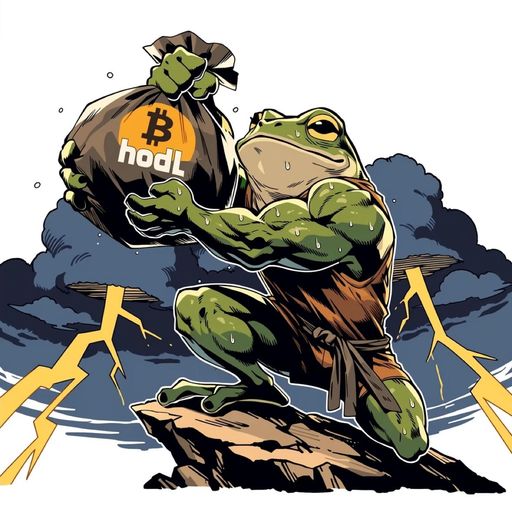
The Hodler Path: Maybe Laszlo kept some or all of his holdings. If so, he’d be a billionaire many times over—one of the earliest Bitcoin whales in existence.
The Premature Exit: Like many early adopters, Laszlo might have sold when Bitcoin hit $100, or $1,000, convinced he’d already won big. At those price points, he would have made millions—life-changing money. But he would have missed out on the trillion-dollar boom that followed.
The Lost Keys Tragedy: Some early Bitcoin investors faced a darker fate. They misplaced their private keys, lost access to their wallets, or simply forgot where they stored their coins. Their bitcoins remain frozen forever, accessible to no one. It’s possible Laszlo fell into this category.
The Diversification Strategy: Perhaps he held some Bitcoin but sold portions at different price points, reinvesting in other assets or simply enjoying the profits along the way.
The truth remains unknown, and that uncertainty is part of what makes his story so compelling.
Why This Pizza Story Matters Beyond the Numbers
Laszlo Hanyecz’s transaction was more than just a novelty. It was a proof of concept. He demonstrated that Bitcoin—dismissed by skeptics as imaginary internet money—could actually function as a payment method. This small transaction became the symbolic foundation for an entire industry built on the idea of peer-to-peer digital commerce.
His story also illustrates one of cryptocurrency’s deepest dilemmas: the tension between using an asset and holding it as a store of value. Early Bitcoin adopters faced an impossible choice—spend their coins when BTC was worthless and miss the boom, or hoard them and never know if you’ve waited long enough. Laszlo made his choice, and whether it was the right one remains forever unknowable.
Today, that May 22 transaction stands as a monument to Bitcoin’s early days and a humbling reminder of just how much value can be created—or missed—in an emerging market.