


Futuros
Aceda a centenas de contratos perpétuos
TradFi
Ouro
Plataforma de ativos tradicionais globais
Opções
Hot
Negoceie Opções Vanilla ao estilo europeu
Conta Unificada
Maximize a eficiência do seu capital
Negociação de demonstração
Introdução à negociação de futuros
Prepare-se para a sua negociação de futuros
Eventos de futuros
Participe em eventos para recompensas
Negociação de demonstração
Utilize fundos virtuais para experimentar uma negociação sem riscos
Lançamento
CandyDrop
Recolher doces para ganhar airdrops
Launchpool
Faça staking rapidamente, ganhe potenciais novos tokens
HODLer Airdrop
Detenha GT e obtenha airdrops maciços de graça
Launchpad
Chegue cedo ao próximo grande projeto de tokens
Pontos Alpha
Negoceie ativos on-chain para airdrops
Pontos de futuros
Ganhe pontos de futuros e receba recompensas de airdrop
Investimento
Simple Earn
Ganhe juros com tokens inativos
Investimento automático
Invista automaticamente de forma regular.
Investimento Duplo
Aproveite a volatilidade do mercado
Soft Staking
Ganhe recompensas com staking flexível
Empréstimo de criptomoedas
0 Fees
Dê em garantia uma criptomoeda para pedir outra emprestada
Centro de empréstimos
Centro de empréstimos integrado
Centro de Património VIP
Aumento de património premium
Gestão de património privado
Alocação de ativos premium
Fundo Quant
Estratégias quant de topo
Staking
Faça staking de criptomoedas para ganhar em produtos PoS
Alavancagem inteligente
New
Alavancagem sem liquidação
Cunhagem de GUSD
Cunhe GUSD para retornos RWA


Mais



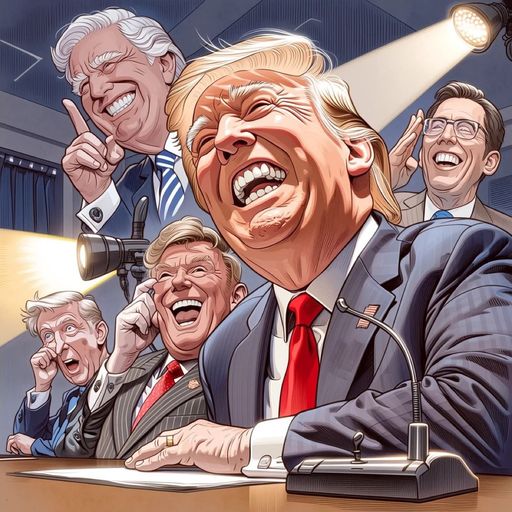


Trump administration kicks off new process to try to replace tariffs struck down by Supreme Court
WASHINGTON (AP) — The Trump administration on Wednesday opened a new trade investigation into manufacturing in foreign countries — an effort that comes after the Supreme Court struck down President Donald Trump’s previous use of tariffs by declaring an economic emergency.
Trump and his team have made clear that they’re seeking to replace the hundreds of billions of dollars in lost revenues after the Supreme Court’s February ruling by using different laws to establish new tariffs.
In this case, the administration is starting investigations under Section 301 of the Trade Act of 1974, which could eventually lead to new import taxes. But U.S. Trade Representative Jamieson Greer, in a Wednesday call with reporters, said he didn’t want to prejudge the outcome of the process.
“The policy remains the same — the tools may change depending on, you know, the vagaries of courts and other things,” said Greer, stressing that the goal was to protect American jobs.
U.S. Trade Representative Jamieson Greer speaks with reporters at the White House, Oct. 30, 2025, in Washington. (AP Photo/Alex Brandon, file)
U.S. Trade Representative Jamieson Greer speaks with reporters at the White House, Oct. 30, 2025, in Washington. (AP Photo/Alex Brandon, file)
Read More
The start of the process to fully replace Trump’s prior tariffs could invite a return of much of the drama that rattled the global economy last year. The since-overturned tariffs led to new frameworks with U.S. trade partners — and it’s unclear what impact a new set of import taxes could have on those agreements. Greer described the trade frameworks as standing on their own and suggested they were separate from the new investigation.
This new set of tariffs could play out against the backdrop of a war in Iran and midterm elections in which Democrats are running against Trump’s Republican allies by emphasizing that the public is owed tariff refunds following the Supreme Court decision.
Greer said that the investigation would examine excess industrial capacity and government backing that could give foreign companies an unfair advantage over U.S. companies.
Containers are stored in a cargo terminal in Frankfurt, Germany, Monday, Feb. 23, 2026. (AP Photo/Michael Probst)
Containers are stored in a cargo terminal in Frankfurt, Germany, Monday, Feb. 23, 2026. (AP Photo/Michael Probst)
Read More
The entities subject to the investigation include China, the European Union, Singapore, Switzerland, Norway, Indonesia, Malaysia, Cambodia, Thailand, South Korea, Vietnam, the self-governing island of Taiwan, Bangladesh, Mexico, Japan and India. The government is looking for what it deems to be persistent trade surpluses with the U.S. and policies such as subsidies and the suppression of workers’ wages, among other factors.
The administration is also rolling out a Section 301 investigation to ban the importing of goods made by forced labor.
Greer indicated that there could be additional Section 301 investigations over issues such as digital service taxes, pharmaceutical drug pricing and ocean pollution, among other possibilities. The Commerce Department has separate trade investigations under Section 232 of the 1962 Trade Expansion Act.
There are timeline pressures for the administration to complete its investigations. The administration has imposed 10% tariffs on foreign-made goods under section 122 of the 1974 Trade Act, but those expire after 150 days on July 24. Trump said he planned to raise that import tax to 15%, but he has yet to do so.
Containers are stacked at the Port of Long Beach Friday, Feb. 20, 2026, in Long Beach, Calif. (AP Photo/Damian Dovarganes)
Containers are stacked at the Port of Long Beach Friday, Feb. 20, 2026, in Long Beach, Calif. (AP Photo/Damian Dovarganes)
Read More
Greer said the administration is “keying off” the new investigation based on the 150-day deadline, saying that the goal is to bring “potential options” to Trump as soon as possible.
Greer said the investigations would be separate from the trade frameworks announced last year by Trump that set baseline tariff rates, which led to 15% rates charged on goods from the European Union, Japan and South Korea, among other places, that have since been overturned by the Supreme Court. Still, he suggested that the frameworks could play a factor.
“My sense is that these countries continue to want to deal, and President Trump continues to want the deal,” Greer said, adding that since tariffs are in play the commitments that the countries have made and the implementation of the frameworks would be considered as they “bump” against the demands of the Section 301 process.
AP writer Mae Anderson contributed to this report.