


Futuros
Aceda a centenas de contratos perpétuos
TradFi
Ouro
Plataforma de ativos tradicionais globais
Opções
Hot
Negoceie Opções Vanilla ao estilo europeu
Conta Unificada
Maximize a eficiência do seu capital
Negociação de demonstração
Arranque dos futuros
Prepare-se para a sua negociação de futuros
Eventos de futuros
Participe em eventos para recompensas
Negociação de demonstração
Utilize fundos virtuais para experimentar uma negociação sem riscos
Lançamento
CandyDrop
Recolher doces para ganhar airdrops
Launchpool
Faça staking rapidamente, ganhe potenciais novos tokens
HODLer Airdrop
Detenha GT e obtenha airdrops maciços de graça
Launchpad
Chegue cedo ao próximo grande projeto de tokens
Pontos Alpha
Negoceie ativos on-chain para airdrops
Pontos de futuros
Ganhe pontos de futuros e receba recompensas de airdrop
Investimento
Simple Earn
Ganhe juros com tokens inativos
Investimento automático
Invista automaticamente de forma regular.
Investimento Duplo
Aproveite a volatilidade do mercado
Soft Staking
Ganhe recompensas com staking flexível
Empréstimo de criptomoedas
0 Fees
Dê em garantia uma criptomoeda para pedir outra emprestada
Centro de empréstimos
Centro de empréstimos integrado
Centro de Património VIP
Aumento de património premium
Gestão de património privado
Alocação de ativos premium
Fundo Quant
Estratégias quant de topo
Staking
Faça staking de criptomoedas para ganhar em produtos PoS
Alavancagem inteligente
New
Alavancagem sem liquidação
Cunhagem de GUSD
Cunhe GUSD para retornos RWA






Lawmaker Raises Red Flags Over Hong Kong's Stablecoin Regulation Proposal
Last updated: December 27, 2023 00:30 EST . 1 min read
Disclosure: Crypto is a high-risk asset class. This article is provided for informational purposes and does not constitute investment advice. By using this website, you agree to our terms and conditions. We may utilise affiliate links within our content, and receive commission.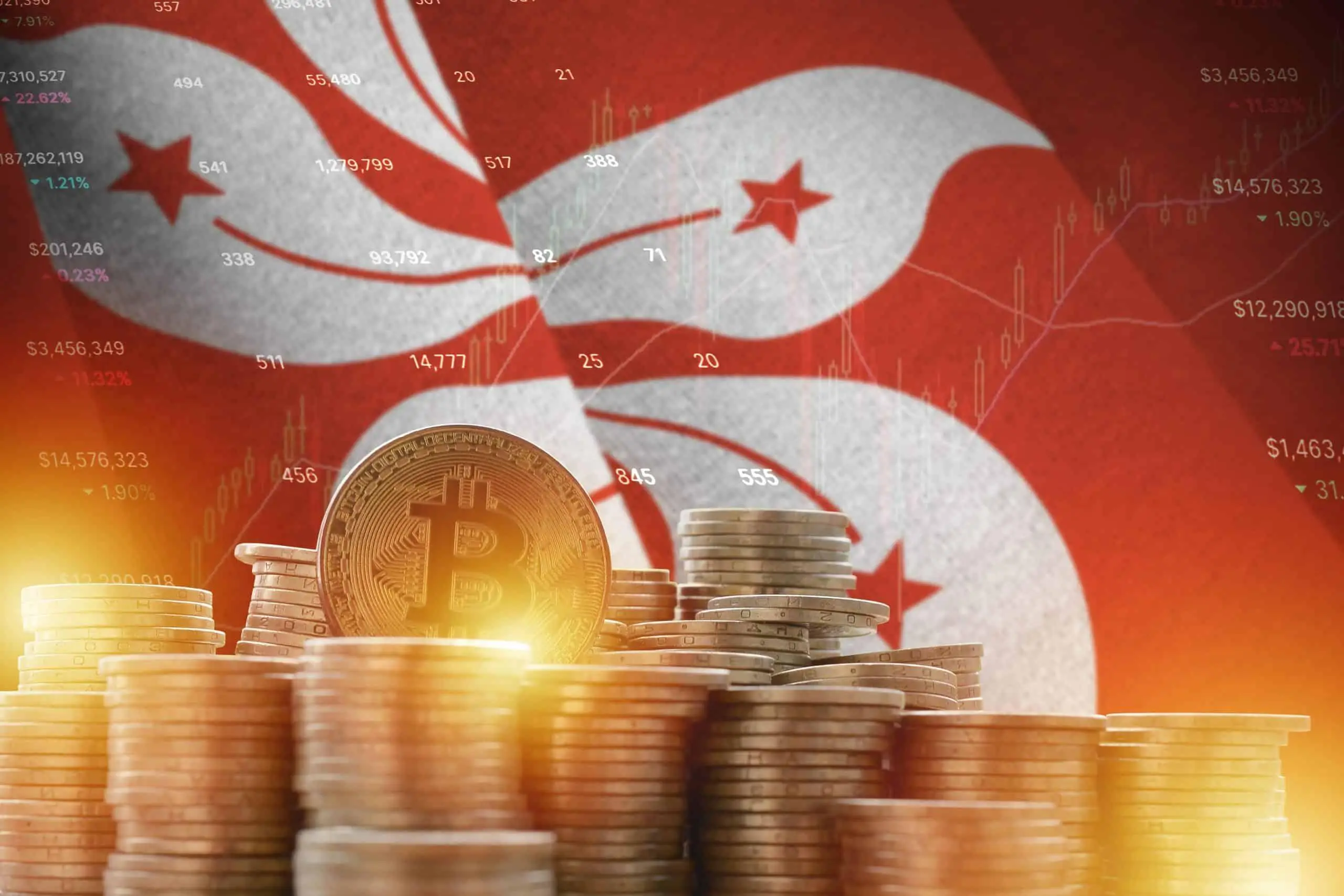 A Hong Kong lawmaker expressed worries that new stablecoin regulations could disrupt crypto markets. *Image by mehaniq41, Adobe Stock.*Today, Hong Kong’s financial authorities—the Financial Services and the Treasury Bureau (FSTB) and the Hong Kong Monetary Authority (HKMA)—unveiled their plan to implement new stablecoin regulations. Not everyone thinks this is a good development for crypto markets, however.
Under the proposal, Hong Kong will require stablecoin issuers to obtain local licensing and comply with governance, risk management, and anti-money laundering/counter-terrorist financing (AML/CFT) standards. The regulators stated that only coins issued by licensed firms could be offered to retail investors.
Additionally, licensed entities must establish a Hong Kong-based leadership team and maintain high-quality, segregated reserves. The public can submit feedback on the proposal until February 29, 2024.
Concerns Over Global Stablecoins and Disruption
Hong Kong lawmaker Johnny Ng highlighted concerns about the policy on X. He noted that major global stablecoins like USDT and USDC already circulate without local licensing.
Ng questioned how these international coins could be traded on licensed Hong Kong exchanges under the new rules. Failure to address this could reduce trading volumes and disrupt transactions, sparking unintended consequences.
The lawmaker also pointed to ambiguity around potential transaction fees and stablecoin applications under the regulations.
Earlier Crypto Efforts in Hong Kong
Hong Kong has actively pursued cryptocurrency-friendly policies to become a crypto and Web3 hub.
Last week, the city’s regulators indicated their readiness to approve spot crypto exchange-traded funds (ETFs). This would allow listings of ETFs tracking crypto assets on the Hong Kong Stock Exchange.
Hong Kong issued its first virtual asset service provider (VASP) licenses in August. The Securities and Futures Commission (SFC) granted licenses to OSL and HashKey.
Finding a middle ground may require compromise and additional policy work, however. Hong Kong has shown a proactive stance in welcoming cryptocurrencies, which could set an influential precedent.
Unfortunately, Ng’s critiques highlight the challenges of designing rules for a complex global crypto asset market, and hint that Hong Kong’s government may be acting counter to its seeming desire to be welcoming to the crypto industry. As countries around the world eye potential stablecoin frameworks, Hong Kong’s experience could offer important lessons on managing risks while enabling responsible innovation.