


Básico
Spot
Opera con criptomonedas libremente
Margen
Multiplica tus beneficios con el apalancamiento
Convertir e Inversión automática
0 Fees
Opera cualquier volumen sin tarifas ni deslizamiento
ETF
Obtén exposición a posiciones apalancadas de forma sencilla
Trading premercado
Opera nuevos tokens antes de su listado
Contrato
Accede a cientos de contratos perpetuos
TradFi
Oro
Plataforma global de activos tradicionales
Opciones
Hot
Opera con opciones estándar al estilo europeo
Cuenta unificada
Maximiza la eficacia de tu capital
Trading de prueba
Introducción al trading de futuros
Prepárate para operar con futuros
Eventos de futuros
Únete a eventos para ganar recompensas
Trading de prueba
Usa fondos virtuales para probar el trading sin asumir riesgos
Lanzamiento
CandyDrop
Acumula golosinas para ganar airdrops
Launchpool
Staking rápido, ¡gana nuevos tokens con potencial!
HODLer Airdrop
Holdea GT y consigue airdrops enormes gratis
Launchpad
Anticípate a los demás en el próximo gran proyecto de tokens
Puntos Alpha
Opera activos on-chain y recibe airdrops
Puntos de futuros
Gana puntos de futuros y reclama recompensas de airdrop
Inversión
Simple Earn
Genera intereses con los tokens inactivos
Inversión automática
Invierte automáticamente de forma regular
Inversión dual
Aprovecha la volatilidad del mercado
Staking flexible
Gana recompensas con el staking flexible
Préstamo de criptomonedas
0 Fees
Usa tu cripto como garantía y pide otra en préstamo
Centro de préstamos
Centro de préstamos integral
Centro de patrimonio VIP
Planes de aumento patrimonial prémium
Gestión patrimonial privada
Asignación de activos prémium
Quant Fund
Estrategias cuantitativas de alto nivel
Staking
Haz staking de criptomonedas para ganar en productos PoS
Apalancamiento inteligente
New
Apalancamiento sin liquidación
Acuñación de GUSD
Acuña GUSD y gana rentabilidad de RWA


Más






FDIC's Sign and Ad Rules Update May Impact Crypto Industry – Here's How
Last updated: December 21, 2023 05:32 EST . 2 min read
Disclosure: Crypto is a high-risk asset class. This article is provided for informational purposes and does not constitute investment advice. By using this website, you agree to our terms and conditions. We may utilise affiliate links within our content, and receive commission.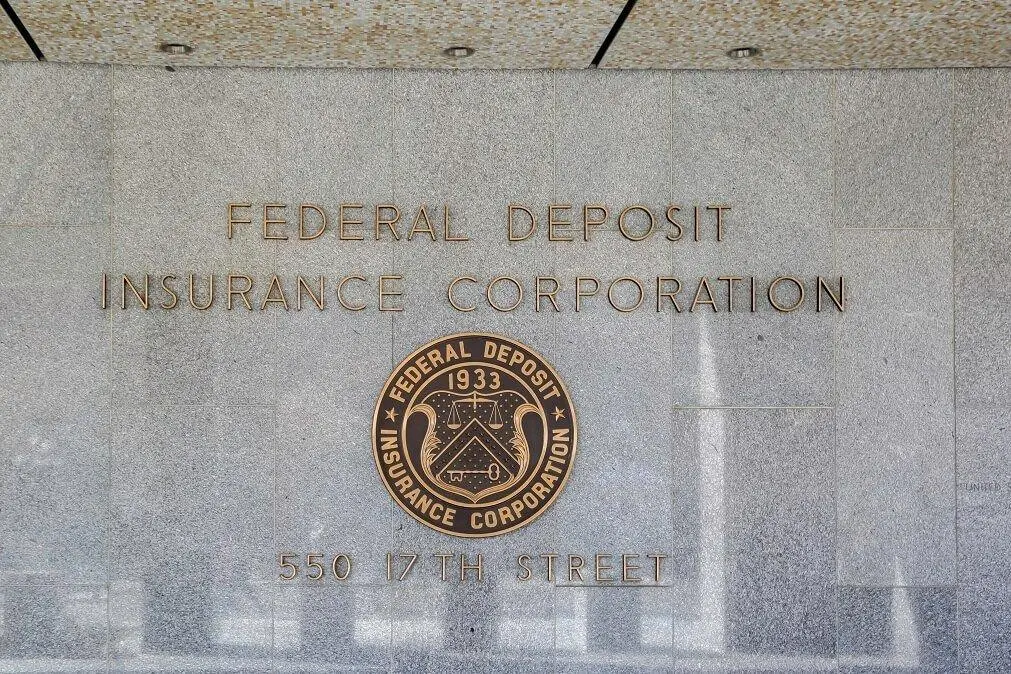 Source: AdobeStock / JHVEPhotoThe Federal Deposit Insurance Corporation (FDIC) has recently implemented a new rule governing the use of its official signs and advertising, potentially influencing public perception of certain crypto firms
The FDIC announced on December 20 that its board of directors has finalized regulations aimed at addressing false advertising, misrepresentations of deposit insurance coverage, and the misuse of the FDIC’s name or logo
From 2025 onwards, institutions insured by the FDIC will be required to display a black and navy blue sign, replacing the gold and black sign that has been in use since the 1930s
This rule applies to websites, apps, brick-and-mortar bank locations, and specific ATMs.
The FDIC stated that the last significant update to its sign and advertising rules was in 2006
The purpose of this update is to prevent entities from potentially misleading customers by falsely claiming that their funds are FDIC-insured
FDIC’s New Rule ed By Abuse in Crypto
While the new rule is not limited to the crypto industry, it has been ed by widespread abuse within the crypto sector.
“While the rule finalized today isn’t limited to the crypto industry, abuse by crypto has been rampant, forcing the FDIC to take multiple actions to stop it,” said Dennis Kelleher, president and CEO and of nonprofit organization Better Markets
“Investors were misled by Gemini Earn, FTX US, Voyager Digital, and other crypto firms into believing their investments were FDIC insured. We applaud the FDIC’s action to update and strengthen the rules to address this misconduct.”
In 2023, a number of banks associated with crypto firms faced closures, regulatory intervention, or voluntary liquidation, sparking discussions among lawmakers about protecting user funds
The FDIC collaborated with the New York State Department of Financial Services to close Signature Bank
Silicon Valley Bank, which held deposits from stablecoin issuer Circle and venture capital firm Sequoia Capital, also collapsed in March and fell under FDIC protection
Generally, the FDIC insures deposits up to $250,000 per depositor.
Highlighting the potential risks associated with crypto transactions, the Consumer Financial Protection Bureau issued a warning in June that payment apps facilitating crypto transactions might not necessarily be FDIC-insured, thereby putting funds at risk.
The FDIC has recognized crypto activities as “novel and complex risks” for U.S. banks due to their uncertain legal and regulatory status
The updated sign and ad rules from the FDIC aim to address these challenges and ensure greater transparency for consumers and investors in the crypto industry.
As reported, more than 40 countries have made significant strides in advancing crypto-focused regulations and legislation this year, indicating a growing global trend towards wider cryptocurrency adoption.
These countries have undertaken ious initiatives to develop regulations and legislation specifically tailored to the cryptocurrency industry