


Básico
Spot
Opera con criptomonedas libremente
Margen
Multiplica tus beneficios con el apalancamiento
Convertir e Inversión automática
0 Fees
Opera cualquier volumen sin tarifas ni deslizamiento
ETF
Obtén exposición a posiciones apalancadas de forma sencilla
Trading premercado
Opera nuevos tokens antes de su listado
Contrato
Accede a cientos de contratos perpetuos
TradFi
Oro
Plataforma global de activos tradicionales
Opciones
Hot
Opera con opciones estándar al estilo europeo
Cuenta unificada
Maximiza la eficacia de tu capital
Trading de prueba
Introducción al trading de futuros
Prepárate para operar con futuros
Eventos de futuros
Únete a eventos para ganar recompensas
Trading de prueba
Usa fondos virtuales para probar el trading sin asumir riesgos
Lanzamiento
CandyDrop
Acumula golosinas para ganar airdrops
Launchpool
Staking rápido, ¡gana nuevos tokens con potencial!
HODLer Airdrop
Holdea GT y consigue airdrops enormes gratis
Launchpad
Anticípate a los demás en el próximo gran proyecto de tokens
Puntos Alpha
Opera activos on-chain y recibe airdrops
Puntos de futuros
Gana puntos de futuros y reclama recompensas de airdrop
Inversión
Simple Earn
Genera intereses con los tokens inactivos
Inversión automática
Invierte automáticamente de forma regular
Inversión dual
Aprovecha la volatilidad del mercado
Staking flexible
Gana recompensas con el staking flexible
Préstamo de criptomonedas
0 Fees
Usa tu cripto como garantía y pide otra en préstamo
Centro de préstamos
Centro de préstamos integral
Centro de patrimonio VIP
Planes de aumento patrimonial prémium
Gestión patrimonial privada
Asignación de activos prémium
Quant Fund
Estrategias cuantitativas de alto nivel
Staking
Haz staking de criptomonedas para ganar en productos PoS
Apalancamiento inteligente
New
Apalancamiento sin liquidación
Acuñación de GUSD
Acuña GUSD y gana rentabilidad de RWA


Más






South Korean Regulator Rules NFTs Are Not Subject to Crypto Law
Disclosure: Crypto is a high-risk asset class. This article is provided for informational purposes and does not constitute investment advice. By using this website, you agree to our terms and conditions. We may utilise affiliate links within our content, and receive commission.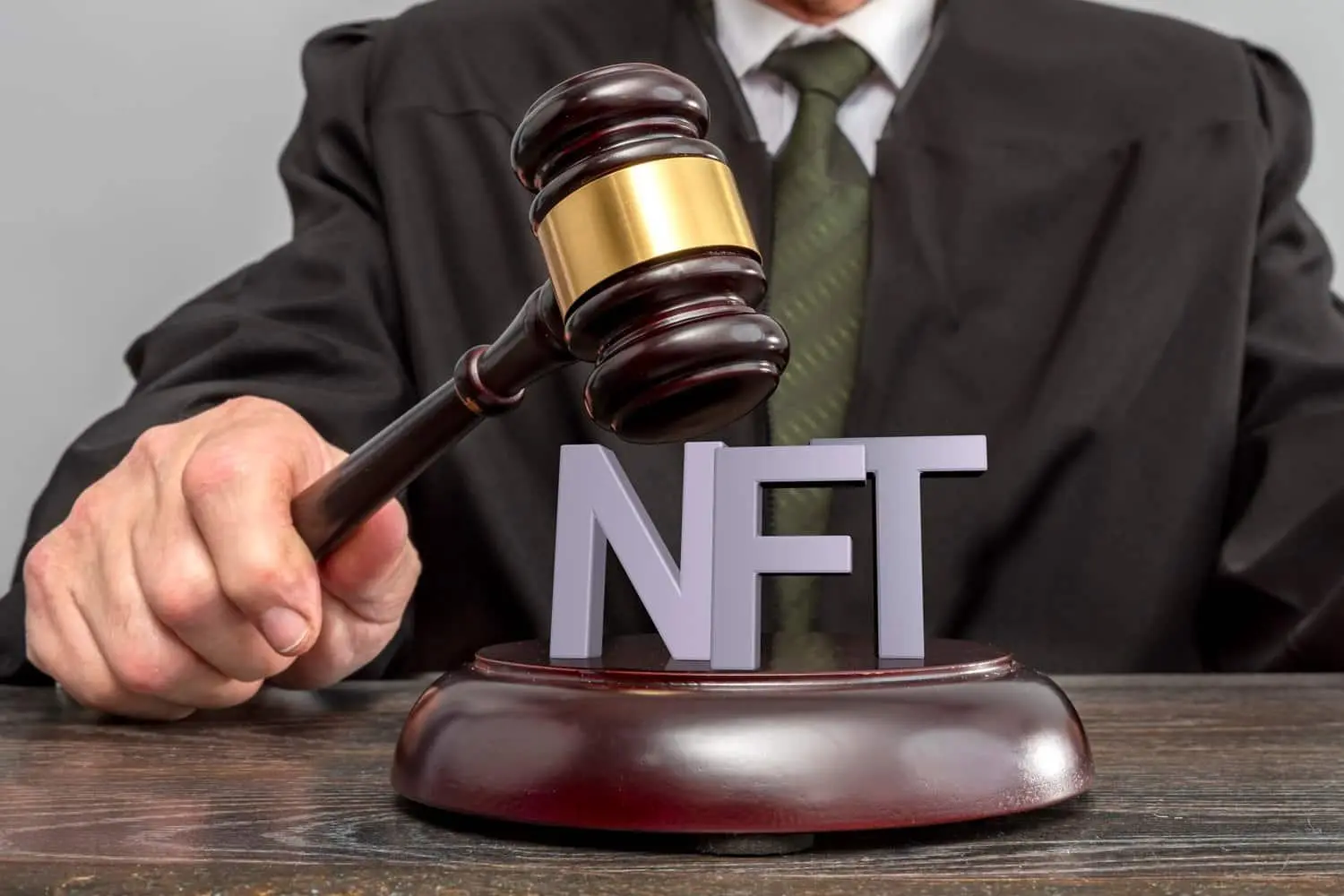 Source: TSViPhoto/AdobeSouth Korean financial regulators have said NFTs are not subject to the same rules as cryptoassets, a ruling that may buoy token issuers and blockchain gaming firms.
Per News1, the Financial Services Commission (FSC), the nation’s top regulator, stated that “following CBDCs,” NFTs will also be “excluded from” its “lists of virtual assets.”
The FSC has previously created separate regulations for CBDCs. Lawmakers have also created legislation that distinguishes digital fiat from tokens like Bitcoin (BTC).
The Virtual Asset User Protection Act defines cryptoassets as “electronic tokens that have economic value and can be traded or transferred electronically.”
Some claimed that this phrasing does not make it clear if NFTs can legally be considered as cryptoassets.
In the past, gaming regulators refused to issue licenses to video games that make use of NFTs.
Critics claim this has effectively blocked the progress of blockchain gaming in the nation.
However, the FSC claimed that as NFTs are “unique and irreplaceable,” they pose a “limited” risk to the financial .
The regulator ruled that most NFTS are “mainly traded for collection purposes,” as opposed to crypto – which it feels is mainly used as a speculative tool.
NFTs Not Subject to South Korean Crypto Law – But There Are Exceptions
Despite the statement, not all NFT issuers will be covered by the new ruling. The regulator added several caveats to its ruling.
It explained that some NFTs could still be considered to be “virtual assets” in certain conditions.
Namely, these include NFTs that are “issued in large quantities like typical virtual assets and traded in a fungible manner.”
NFTs that can “be used as a means of payment for specific goods or services” will also be classified as cryptoassets.
Additionally, the FSC has also ruled that banks that hold crypto exchange users’ fiat must pay interest on deposits.
Previously, the Virtual Asset User Protection Act required virtual asset business operators to separate users’ deposits from their own assets and use custodial services.
But the new decree requires exchanges to use banks as custodians. And it dictates that banks must pay interest on fiat holdings.
The FSC further told crypto business operators they “must store more than 80% of their assets in cold wallets.”