


原文已不可见
Celebration

最高 VIP 等级 1
币龄 7.5年
加密市场研究员
内容撰写人 || 社区建设者 || 推广者 || 项目大使 || KOL ||
超级山寨季将在此时正式开始
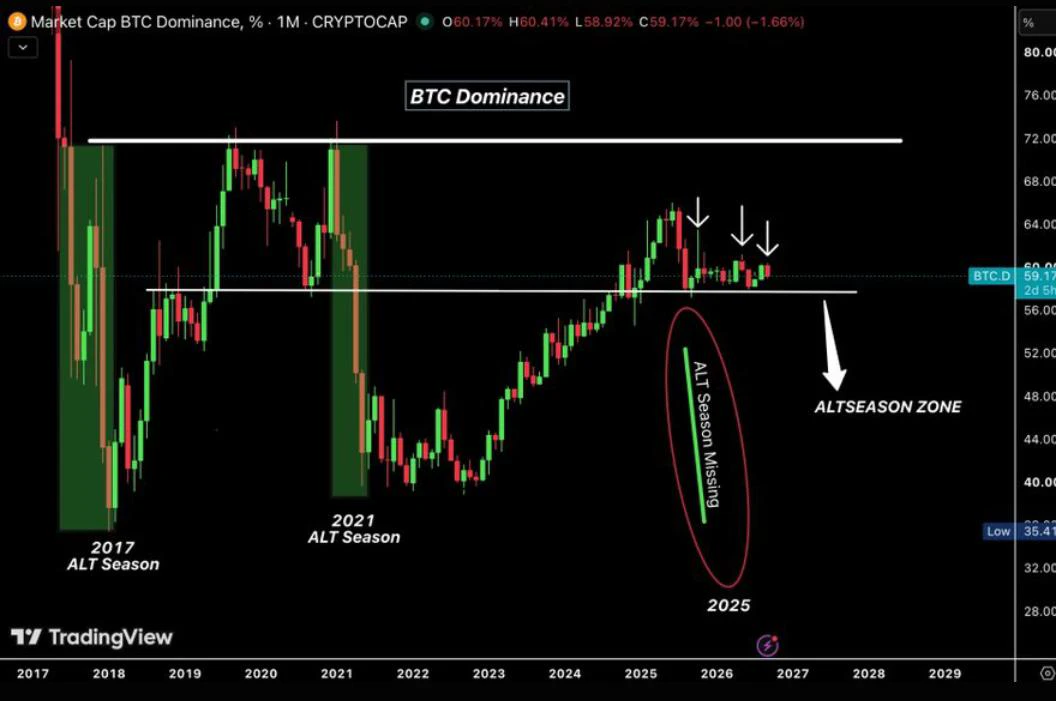
比特币主导地位目前已经盘整了一年。
2017 年和 2021 年,主导地位大幅崩跌,资金轮动至山寨币。但 2025 年并未发生这种情况,因为比特币主导地位持续上升。
现在,BTC 主导地位正在形成一系列更低的高点,关键支撑位为 57.8%。
如果跌破 57.8%,期待已久的山寨季将开始。
但如果守住 57.8%,随后突破 61%,比特币将引领市场,而山寨币的表现将逊于 BTC。
比特币主导地位目前已经盘整了一年。
2017 年和 2021 年,主导地位大幅崩跌,资金轮动至山寨币。但 2025 年并未发生这种情况,因为比特币主导地位持续上升。
现在,BTC 主导地位正在形成一系列更低的高点,关键支撑位为 57.8%。
如果跌破 57.8%,期待已久的山寨季将开始。
但如果守住 57.8%,随后突破 61%,比特币将引领市场,而山寨币的表现将逊于 BTC。
BTC-0.67%
#CLARITYActFailsToPass
美国的加密货币监管还没有结束。
1. SEC 和 CFTC 已经在努力推动明确的加密货币监管。
2. 特朗普总统仍希望让美国成为全球加密货币领导者。
即使没有 Clarity Act,我们也会迎来监管。
美国的加密货币监管还没有结束。
1. SEC 和 CFTC 已经在努力推动明确的加密货币监管。
2. 特朗普总统仍希望让美国成为全球加密货币领导者。
即使没有 Clarity Act,我们也会迎来监管。
上次美联储维持利率不变时,BTC 仍下跌了 4%。
今天,市场预计将加息 25 个基点。
在昨日 CLARITY 失败后,比特币仍守住 75,000 美元关口,让我们看看它今天将如何反应。
#CLARITYActFailsToPass
今天,市场预计将加息 25 个基点。
在昨日 CLARITY 失败后,比特币仍守住 75,000 美元关口,让我们看看它今天将如何反应。
#CLARITYActFailsToPass
BTC-0.67%
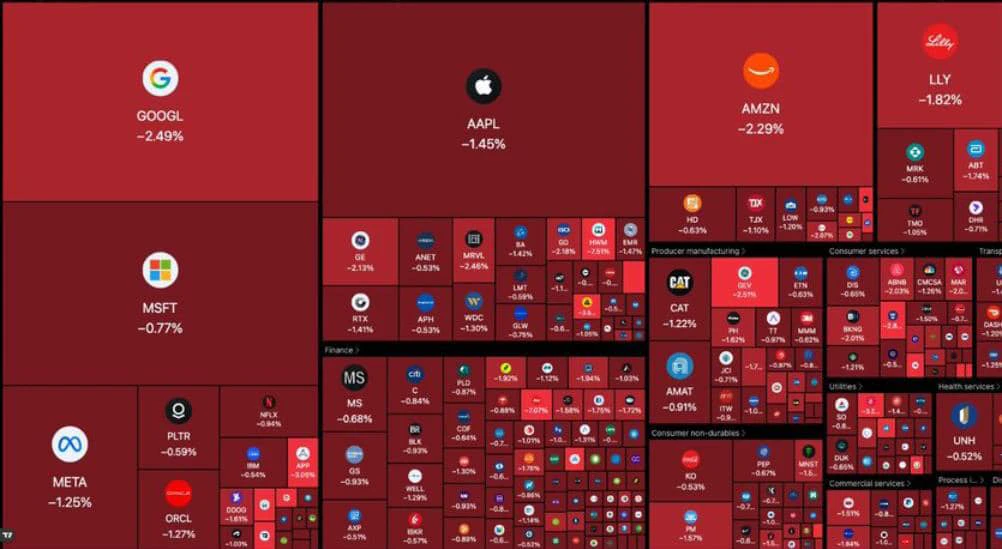
美股开盘时蒸发 5000 亿美元,美联储加息概率升至 74%。
- 1
- 2
这张图表解释了为什么我们在 2025 年没有迎来真正的山寨季。
2017 年:ISM 转强。相较于 Bitcoin,山寨币暴涨 +1,800%。
2021 年:ISM 再次转强。相较于 Bitcoin,山寨币暴涨 +550%。
2025 年:ISM 一直低于 50。相较于 Bitcoin,山寨币下跌 -45%。月线 MACD 也一直为红色。
根本没有明确的山寨季启动条件,但现在情况正在改变。
Alts/BTC 处于长期盘整状态,而 ISM 已回到 54 以上。
如果 ISM 继续改善,且 Alts/BTC 突破,2027 年可能才是真正的山寨季。
2017 年:ISM 转强。相较于 Bitcoin,山寨币暴涨 +1,800%。
2021 年:ISM 再次转强。相较于 Bitcoin,山寨币暴涨 +550%。
2025 年:ISM 一直低于 50。相较于 Bitcoin,山寨币下跌 -45%。月线 MACD 也一直为红色。
根本没有明确的山寨季启动条件,但现在情况正在改变。
Alts/BTC 处于长期盘整状态,而 ISM 已回到 54 以上。
如果 ISM 继续改善,且 Alts/BTC 突破,2027 年可能才是真正的山寨季。
BTC-0.67%
- 1
- 2
历经四个月的阻力位终于被突破。
上一轮加密货币牛市是最缓慢、最平静的一轮。没有真正的山寨币季,没有散户狂热,但机构一直在积累。
这就是下一轮牛市将会规模巨大的原因。数万亿美元将流入加密市场。山寨币将暴涨,散户狂热将回归,加密货币的表现将超越一切。
而这一切都将在 CLARITY ACT 成为法律后发生
这就是下一轮牛市将会规模巨大的原因。数万亿美元将流入加密市场。山寨币将暴涨,散户狂热将回归,加密货币的表现将超越一切。
而这一切都将在 CLARITY ACT 成为法律后发生
- 4
- 3
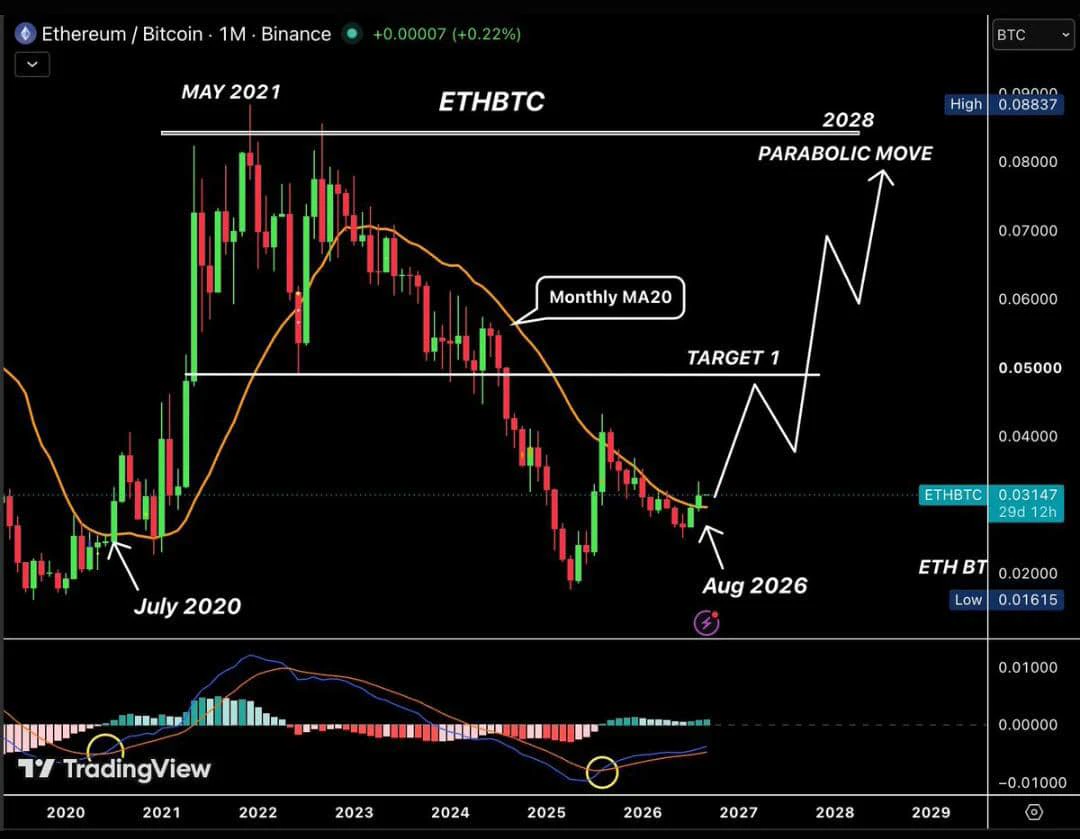
ETH/BTC 月线收盘站上了 MA 20。
上一次干净地收复这一均线是在 2020 年 7 月,当时 ETH/BTC 从 0.0315 上涨至 0.088,ETH 则从 $225 上涨至 $4,372。
2025 年 8 月也触及了这条线,但未能守住,价格大幅回落至低点附近,这就是为什么我们需要它站稳 MA 20 上方。
现在价格再次回到同一均线。MACD 正从圈出的低点向上拐头,这与 2020 年突破前的区域相同。
如果此次能够守住,图表显示了两个目标步骤。
目标 1:0.050
延伸目标:接近 0.088 的前高
ISM 录得 54.6,低于预期的 55.2,这意味着增长依然强劲,但正在放缓,这可能给美联储更多暂停加息的空间。
这一形态可能意味着 ETH 终于准备好跑赢 BTC。
上一次干净地收复这一均线是在 2020 年 7 月,当时 ETH/BTC 从 0.0315 上涨至 0.088,ETH 则从 $225 上涨至 $4,372。
2025 年 8 月也触及了这条线,但未能守住,价格大幅回落至低点附近,这就是为什么我们需要它站稳 MA 20 上方。
现在价格再次回到同一均线。MACD 正从圈出的低点向上拐头,这与 2020 年突破前的区域相同。
如果此次能够守住,图表显示了两个目标步骤。
目标 1:0.050
延伸目标:接近 0.088 的前高
ISM 录得 54.6,低于预期的 55.2,这意味着增长依然强劲,但正在放缓,这可能给美联储更多暂停加息的空间。
这一形态可能意味着 ETH 终于准备好跑赢 BTC。
- 1
这可能是加密货币领域最重要的一个月。
距离 CLARITY Act 投票仅剩 15 天。SEC 和 CFTC 已在为更加明确的加密货币监管做准备,而特朗普也公开看好加密货币。对 Crypto Clarity 的等待终于可能要结束了。
距离 CLARITY Act 投票仅剩 15 天。SEC 和 CFTC 已在为更加明确的加密货币监管做准备,而特朗普也公开看好加密货币。对 Crypto Clarity 的等待终于可能要结束了。
突发:🇷🇺 俄罗斯的加密货币监管今日正式生效。
俄罗斯比美国更早实现了加密货币监管明晰。
俄罗斯比美国更早实现了加密货币监管明晰。


加载更多
热门话题
#美股财报季
127.46k 浏览量3.7k 人讨论中
#GateWCTCS9全球交易赛
811.07k 浏览量8.28k 人讨论中
#BTC争夺8万美元关口
50.18k 浏览量24.65k 人讨论中
#美国消费者信心接近历史低点
19.26k 浏览量362 人讨论中
#质押Launchpool瓜分36枚黄金代币
966 浏览量2.21k 人讨论中
#Gate广场万圣节
38.02k 浏览量156 人讨论中
#宏观关键周
2.69k 浏览量904 人讨论中
#StriveCEO暗示继续增持比特币
2.8k 浏览量710 人讨论中
#ETH回调后能否企稳
35.23k 浏览量21.79k 人讨论中
#国际油价高位震荡
2.1k 浏览量310 人讨论中