SpaceComputer: Expanding Decentralized Computing Beyond Earth
SpaceComputer: Sending Blockchain into Orbit
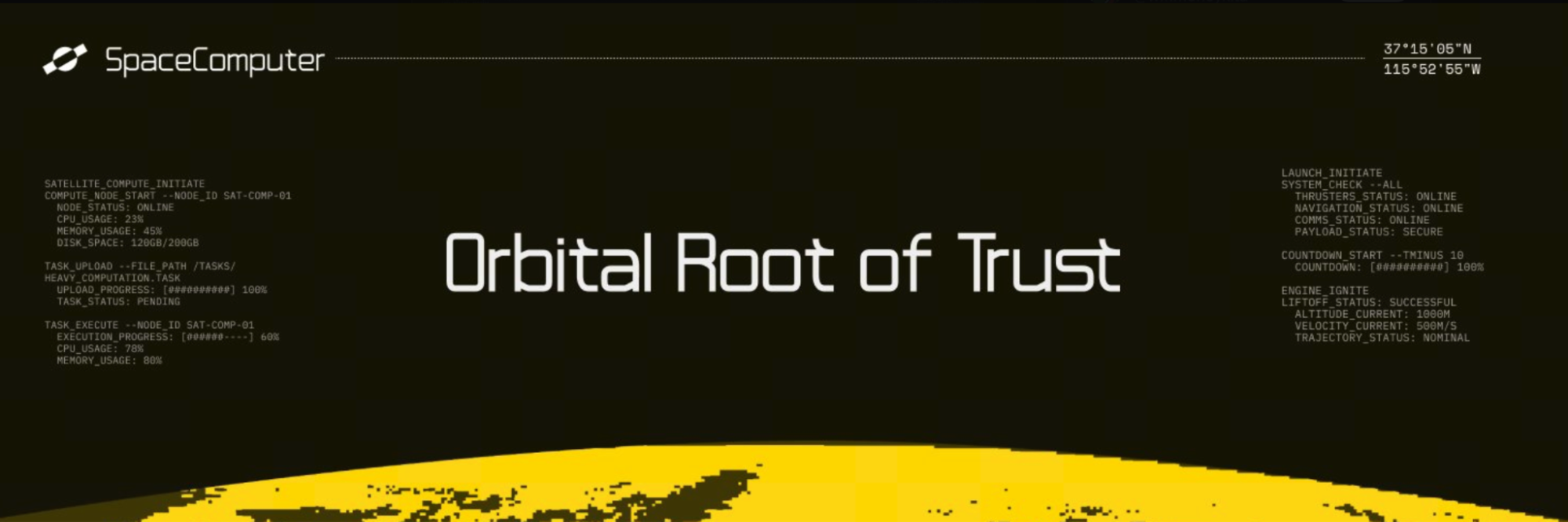
(Image source: SpaceComputerIO)
SpaceComputer has outlined an ambitious mission built around the idea of “space-based computing.” With a fresh seed round totaling $10 million, the startup aims to create the first blockchain and cryptographic computation network executed entirely in orbit. By moving critical operations away from terrestrial infrastructure, the company seeks to provide a level of security that traditional ground systems cannot match.
A Strong Investor Coalition Supporting Space × Blockchain Innovation
The recent seed round was co-led by Maven11 and Lattice, with additional participation from Superscrypt, Arbitrum Foundation, Nascent, Offchain Labs, Hashkey, and Chorus One. Several well-known figures in the crypto and tech industries—including Marc Weinstein, Jason Yanowitz, and Ameen Soleimani—also joined as angel investors.
This investment follows a previous pre-seed round led by Primitive Ventures, reinforcing the market’s growing confidence in the emerging field of space-based blockchain infrastructure.
Building the “SpaceTEE” Satellite Network
The newly acquired funds will be directed toward producing and deploying the first generation of SpaceComputer satellites. Known as SpaceTEE—Trusted Execution Environment satellites—these units are designed to run secure blockchain-related computations directly in orbit.
Their capabilities include supporting distributed cryptographic processes, performing identity verification, and managing sensitive data storage. Alongside the satellite hardware, SpaceComputer is also developing network management tools to coordinate operations among multiple satellites and enable privacy-centric services.
Why Bring Blockchain Computing Into Space?
Orbital computing is intended to elevate the security of decentralized systems. Running smart contracts and cryptographic tasks in space reduces exposure to physical attacks and geopolitical pressure, making tampering significantly more difficult. Co-founder Daniel Bar highlights that space is becoming a strategic arena for advancing decentralized technologies, merging practical engineering with long-standing cypherpunk ideals.
Early Signs of Industry Interest in Space-Based Blockchain
SpaceComputer is not alone in exploring this domain. JPMorgan previously conducted a landmark test involving a tokenized transaction executed via a blockchain housed on a low-earth-orbit satellite. Such experiments demonstrate that space-led blockchain operations are evolving from theoretical concepts into viable applications.
Facing the Challenges of the Space Environment
Despite its promise, orbital computing must contend with growing concerns tied to space infrastructure. Increasing space debris poses operational risks, with regulatory agencies warning about falling satellite hazards. Large satellite constellations have also been shown to interfere with astronomical observations. SpaceComputer must address both the engineering complexities and the environmental limitations inherent to operating in orbit.
Collaborating With Global Academic Institutions
The company is actively working with several research organizations, including the Technical University of Munich, Cornell Tech, and UC Santa Barbara. These collaborations aim to expand understanding of off-planet computation and its implications for DeFi, security, and decentralized ecosystems.
SpaceComputer has already tested satellite components on a SpaceX Falcon 9 mission and released developer tools to encourage experimentation with space-based computing environments.
Conclusion
SpaceComputer’s long-term goal extends beyond improving blockchain security—it seeks to redefine the boundaries of decentralization. By enabling satellites to function as computation nodes, the concept of a “space-based blockchain network” shifts from speculation to a potential future pillar of Web3 infrastructure.
Share
Content
SpaceComputer: Sending Blockchain into Orbit
A Strong Investor Coalition Supporting Space × Blockchain Innovation
Building the “SpaceTEE” Satellite Network
Why Bring Blockchain Computing Into Space?
Early Signs of Industry Interest in Space-Based Blockchain
Facing the Challenges of the Space Environment
Collaborating With Global Academic Institutions
Conclusion


Related Articles

Bitcoin Halving Chart: Key Dates, Trends, and Future Predictions

Bitcoin Halving Chart:Understanding the Changes in Bitcoin Supply and Price Trends

US December Rate Cut Forecast: Will the Federal Reserve Finally Pivot?

Federal Reserve Ends Quantitative Tightening — How the End of QT Could Reshape Global Markets in 2025

Midnight Network Ignites Cardano’s Next Chapter with NIGHT Token Mining and Privacy Innovation