Introduction
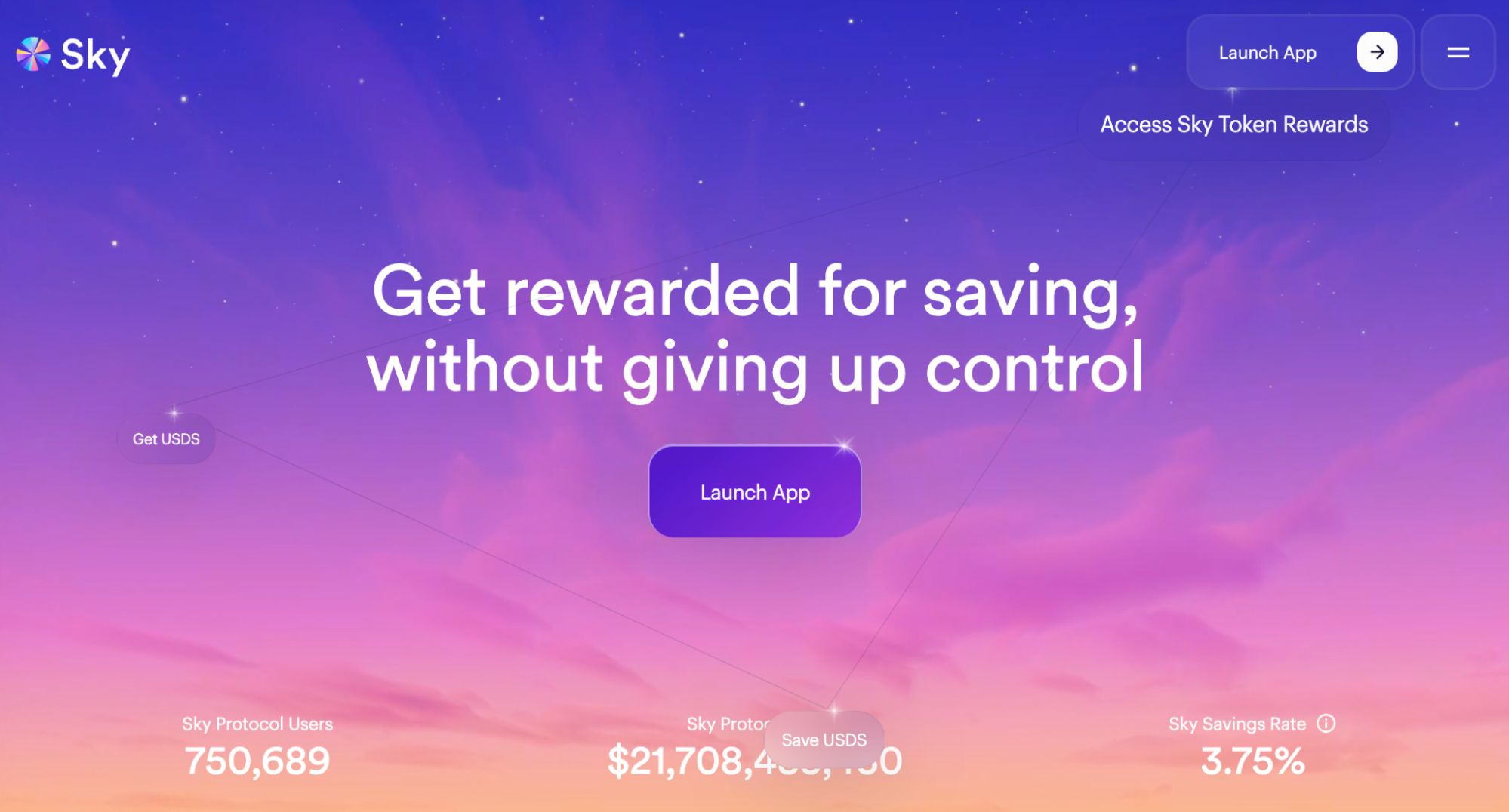
(Image source: sky.money)
The decentralized finance ecosystem built around Sky Protocol is preparing for another phase of growth through the continued expansion of its Sky Agent Network. A new governance proposal outlines plans to allocate approximately 70 million USDS as initial capital to several agents within the network.
These agents are designed to play a key role in capital deployment and yield generation across the protocol. Their activities also contribute to the economic structure that supports the Sky Savings Rate. If the proposal receives approval from governance participants, the transfer of funds is scheduled to be executed through an executive vote on March 26.
Capital Allocation Plan for the New Agents
According to the governance proposal, the allocated capital will be distributed among several agents that are either newly introduced or expanding their operational roles within the network.
Part of the funding will be directed toward existing participants, while other portions will support newly established executor agents that are expected to participate in the protocol’s capital strategies.
The proposal specifies that 10 million USDS would be assigned to Keel Finance. Two newly introduced executor agents—Amatsu and Ozone—would each receive 25 million USDS in initial capital. An additional 10 million USDS is planned for another agent currently identified as Launch Agent 6, whose name has not yet been publicly disclosed.
Further details regarding the strategies and responsibilities of each agent are expected to be discussed within the governance forum as the proposal moves forward.
The Role of the Genesis Capital Framework
This capital allocation initiative is part of a broader mechanism known as Genesis Capital. The purpose of this framework is to provide early-stage financial support for new agents entering the network.
Through Genesis Capital, newly established agents gain access to initial liquidity that allows them to begin operating and developing their strategies. This early funding helps them establish operational capacity while contributing to the broader diversification of capital allocation across the protocol.
By distributing resources among multiple agents, the network can experiment with different strategies and approaches, potentially improving overall efficiency and resilience.
A Transitional Funding Mechanism
Genesis Capital is not intended to serve as a permanent source of funding. Instead, it functions as a temporary mechanism designed to support network expansion during an early phase of development.
Current plans indicate that the framework will primarily be active between 2026 and 2027. As agents mature and develop their own operational models, they are expected to gradually transition away from Genesis Capital support.
Part of this transition involves agents eventually issuing their own liquidity tokens. Once these tokens are introduced and the agents establish independent liquidity sources, their reliance on Genesis Capital will decrease over time.
The pace of this transition may vary depending on market conditions and the overall capital buffer maintained by the protocol.
Governance Oversight of Allocated Funds
Although funds are distributed to various agents, they remain part of the protocol’s broader financial structure. The allocated capital is stored within internal sub-proxy accounts, ensuring that the funds remain within the ecosystem.
Control and oversight of these allocations ultimately remain in the hands of governance participants. Holders of the SKY token are responsible for managing risk parameters and approving changes through on-chain governance processes.
This structure ensures that capital deployment decisions and risk management adjustments remain transparent and subject to community review.
Protection Mechanisms for USDS Holders
For users holding the stable asset USDS, the protocol incorporates several risk-management mechanisms designed to maintain system stability.
One of the most important safeguards is the Aggregate Backstop Capital system. This mechanism functions as an additional capital buffer that exceeds the protocol’s base collateral requirements. Its purpose is to absorb potential risks that may arise during market fluctuations or operational challenges.
Beyond this reserve, the protocol also includes multiple layers of risk management designed to maintain financial resilience across the network.
Implications for the Sky Savings Rate
The growth of the Sky Agent Network is expected to influence the economic structure behind the Sky Savings Rate.
As the number of participating agents increases, the range of capital deployment strategies available within the protocol also expands. This diversification can broaden the sources of yield generated across the network.
Although the Sky Savings Rate itself is determined through governance decisions rather than directly tied to individual agent performance, a larger and more competitive agent ecosystem can strengthen the underlying revenue base that supports long-term stability.
Strengthening Agent Infrastructure
In addition to the proposed capital allocations, the governance proposal also includes measures aimed at expanding infrastructure for existing agents. These improvements are intended to enhance operational efficiency and improve how capital is deployed across the network.
As the agent ecosystem grows, the protocol is gradually building a more distributed and flexible structure for capital management. A larger network of independent agents can contribute to a more resilient financial architecture within the DeFi system.
Conclusion
The proposed capital allocation highlights a new stage of expansion for the Sky Agent Network. By using the Genesis Capital framework to provide early funding, the protocol aims to cultivate a diverse network of independent capital allocators.
As more agents join the ecosystem and develop their own strategies, the network’s ability to deploy capital efficiently may continue to improve. Over time, the gradual transition away from Genesis Capital toward agent-issued liquidity tokens could also lead to a more self-sustaining and decentralized financial structure within the Sky ecosystem.