“Crazy Stuff” Needed for Bitcoin to Reach $250K This Year — Can It Really Happen?
Bitcoin’s Ambitious $250K Target
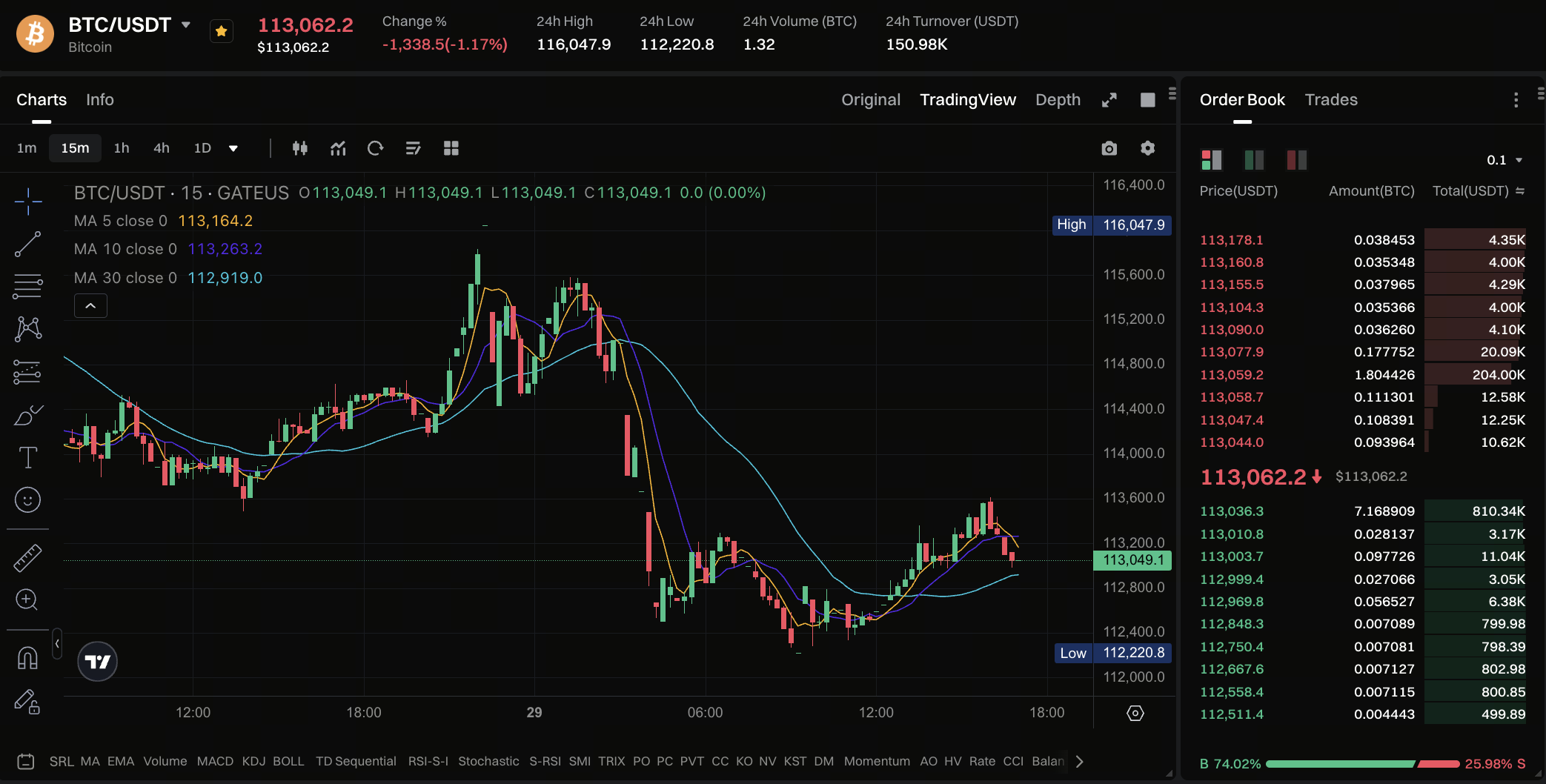
At the time of writing, Bitcoin (BTC) trades around $100,000, and some bold forecasts suggest it could reach $250,000 before the end of the year. That would mean a 150% to 200% increase in just a few months — a move not impossible in Bitcoin’s history, but certainly rare.
This conversation isn’t new. Bitcoin has gone through multiple euphoric cycles before, each fueled by a mix of speculation, institutional participation, and macroeconomic tailwinds. The difference now is that institutional ETFs, regulatory frameworks, and global macro conditions have added layers of complexity.
Still, such a massive rally would require something extraordinary — or as one expert put it, “crazy.”
The Origin of the “Crazy Stuff” Comment
The phrase “crazy stuff needed for Bitcoin to reach $250K this year” comes from Mike Novogratz, CEO of Galaxy Digital.
In a recent interview, Novogratz said Bitcoin could certainly continue to perform well, but a move to $250K in 2025 would require “a heck of a lot of crazy stuff to happen.” He pointed out that while macro conditions are improving and institutional interest is growing, the fundamentals alone might not justify such a meteoric rise without extraordinary catalysts.
This statement quickly caught attention across financial media, because it reflected both optimism and realism — acknowledging Bitcoin’s long-term potential while tempering near-term hype.
What “Crazy Stuff” Would Need to Happen
Global Liquidity Surge & Central Bank Rate Cuts
Liquidity is the oxygen that fuels bull markets. If the U.S. Federal Reserve and other major central banks were to cut interest rates sharply, it could flood markets with fresh liquidity — pushing investors toward risk assets like Bitcoin.
However, the Fed has signaled a gradual easing path, not the aggressive stimulus that might be needed for Bitcoin to explode upward. A global liquidity wave similar to the 2020-2021 post-COVID boom could be one of the “crazy” scenarios required.
Major Regulatory Breakthroughs
Regulation is another key catalyst. If U.S. lawmakers were to pass clear and favorable crypto legislation — for instance, a “Crypto Clarity Act” that gives institutions legal certainty to hold and trade digital assets — that could unleash billions in sidelined capital.
At present, regulatory ambiguity remains a hurdle. While ETF approvals have helped, true mainstream participation still depends on structural reform.
Massive Institutional Adoption
Imagine a world where Apple, Amazon, or major sovereign wealth funds allocate even a small percentage of their reserves to Bitcoin. That would be a game-changer.
Institutional buying is one of the strongest long-term drivers of Bitcoin’s value, but so far it’s been gradual, not explosive. A sudden flood of corporate balance-sheet purchases or fund allocations would certainly qualify as “crazy stuff.”
Unpredictable Black Swan Events
History shows that unexpected global events can accelerate crypto adoption. Geopolitical crises, currency collapses, or major technological shifts — like a global payment network built on Bitcoin — could all create sudden demand surges.
However, these are impossible to predict and should never form the core of an investment thesis. While a “black swan” could send prices soaring, it could just as easily cause the opposite.
Realistic Expectations for 2025
Even without “crazy stuff,” Bitcoin remains in a strong structural uptrend. Institutional adoption is growing, supply dynamics are tightening post-halving, and long-term holders continue to accumulate.
Most realistic forecasts see Bitcoin potentially testing $125K–$150K by the end of 2025, assuming steady macro support. Anything beyond that would require extraordinary catalysts — perhaps not impossible, but certainly not predictable.
For context:
Novogratz expects Bitcoin to perform well but doubts a 150% surge in under a year.
Tom Lee and Arthur Hayes have hinted at more bullish possibilities, arguing that structural demand and liquidity cycles could still surprise markets.
Still, every analyst agrees: the path to $250K would not be “normal.”
How Beginners Should Approach the Hype
If you’re new to crypto investing, here are a few practical guidelines:
Avoid chasing sensational targets. Treat $250K as a hypothetical scenario, not a trading plan.
Diversify your portfolio. Bitcoin may lead the market, but other assets can balance risk.
Set realistic time horizons. Even strong bull markets take time to unfold — months or years, not days.
Use stop-losses and manage exposure. Bitcoin can be volatile, with sudden 20–30% corrections even in uptrends.
Follow macro and regulatory news. Rate decisions, ETF inflows, and crypto legislation can all shape the narrative.
Remember: the goal isn’t to predict the exact top, but to understand the forces that move the market.
Disclaimer:
This is not investment advice. This information is provided for informational purposes only and should not be construed as a recommendation to buy, sell, or hold any asset. Cryptocurrency trading involves a risk of loss. Gate US services may be restricted in certain jurisdictions. For more information, please see our legal disclosures: https://us.gate.com/legal/disclosures
Share
Content


Related Articles

Bitcoin Halving Chart: Key Dates, Trends, and Future Predictions

Bitcoin Halving Chart:Understanding the Changes in Bitcoin Supply and Price Trends

US December Rate Cut Forecast: Will the Federal Reserve Finally Pivot?

Midnight Network Ignites Cardano’s Next Chapter with NIGHT Token Mining and Privacy Innovation

DeFi TVL Hits $237 Billion: What the 2025 Surge Means for Crypto Investor