“One Strait, One War, Trillion-Dollar Impact”
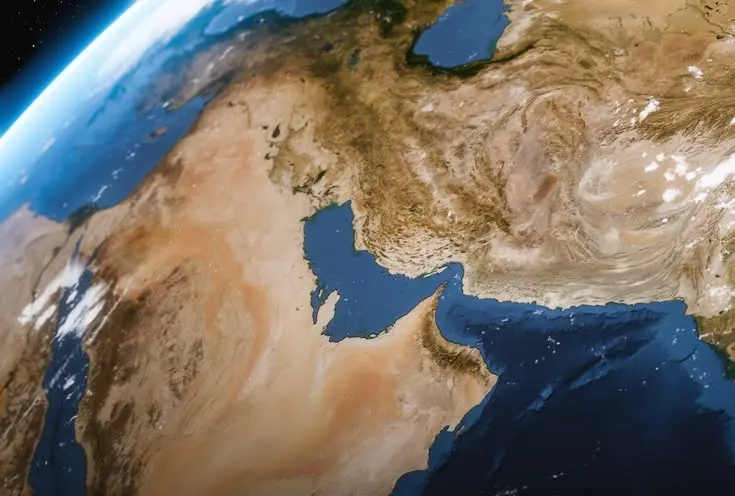
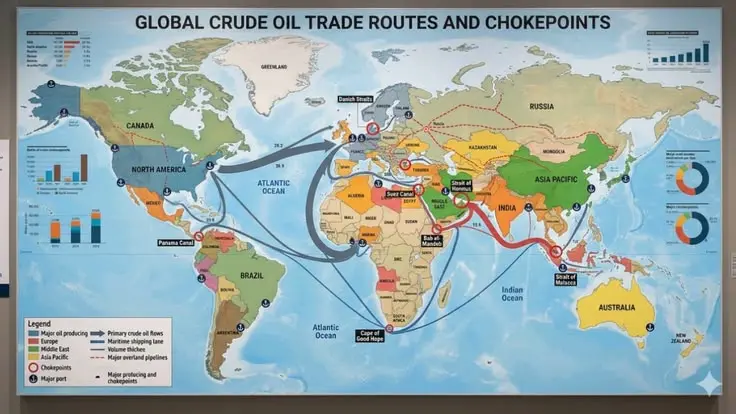
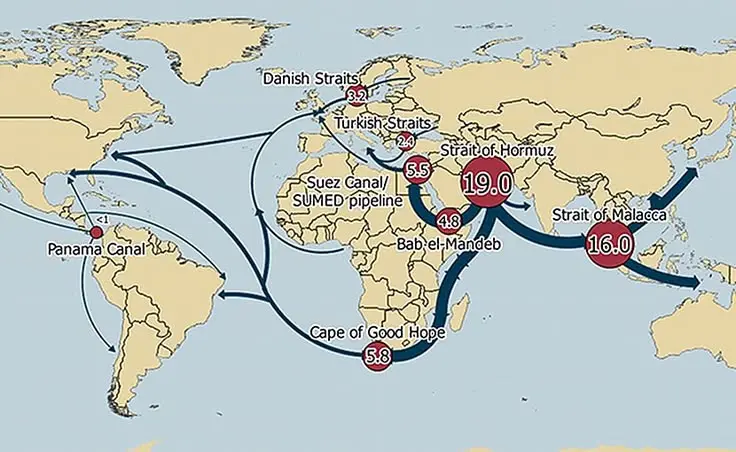
The global system sometimes breaks at a single narrow passage. Today, that breaking point is the Strait of Hormuz, through which approximately 20% of the world's oil passes. The naval blockade launched by the US against Iran is no longer just a military move; it is a geopolitical shock that could rewrite the fate of energy, trade, finance, and crypto markets. And this time, it's not just about oil—it's about liquidity, security, and the balance of power.
1. What Happened?
Following failed talks with Iran, US President Donald Trump officially launched a naval blockade against Iran in the Strait of Hormuz.
The US Navy is targeting ships entering and leaving Iranian ports.
The aim is to cut off Iranian oil exports (~2 million barrels/day).
Trump explicitly threatened: interfering Iranian elements will be “immediately destroyed.”
This is not technically a full closure of the strait, but in effect, it is a selective economic war aimed at cutting off the flow of energy passing through Iran.
2. Geopolitical Fault Lines Breaking
US vs. Iran: Risk of Hot Contact
Iranian Revolutionary Guard sees this as a "declaration of war"
Mines, fast attack boats, anti-ship missiles: active risk
This is far more dangerous than a classic conflict:
👉 Asymmetric naval warfare + energy strait = global crisis
The Western Bloc is Dividing
UK (Keir Starmer) refused to support the US
Europe focused on "energy price" and "civilian cost"
This means:
👉 Strategic breakdown within NATO
The Russia and China Front
Kremlin: "Heavy damage to global markets"
China: 90% dependent on energy passing through the strait (critical data)
👉 For China, this crisis = energy security crisis
👉 For Russia, this crisis = oil price opportunity
3. Global Economy: Shockwave Begins
Energy Market
Oil rapidly Rising to $100+
Traffic dropped significantly (dramatic decrease from ~150 ships)
Inflationary Effect
Energy → logistics → food chain
Global inflation may be triggered again
Insurance and Trade
Tanker insurance costs skyrocketed
Alternative routes (Omani coast, etc.) are coming into play
4. Military Perspective: Struggle for Control
USA:
Aircraft carriers, destroyers, mine-clearing operations
"Naval control + economic pressure" strategy
Iran:
Advantage of confined spaces
Mines and swarm tactics
👉 This is not a classic war, it's a strait war
👉 Risk: a small spark → a major regional war
5. International Institutions and Mediation
Pakistan-mediated talks failed
China and Russia play a balancing role in the UN (blocking decisions)
Vatican and other actors called for "restraint"
👉 But the truth is:
Diplomacy is currently lagging behind the military.
6. Crypto Investor Perspective: The Real Story is Here
This crisis scares the traditional investor. But for a crypto investor, this is:
A) Liquidity Flight = Crypto Inflow
Geopolitical risk → search for safe haven
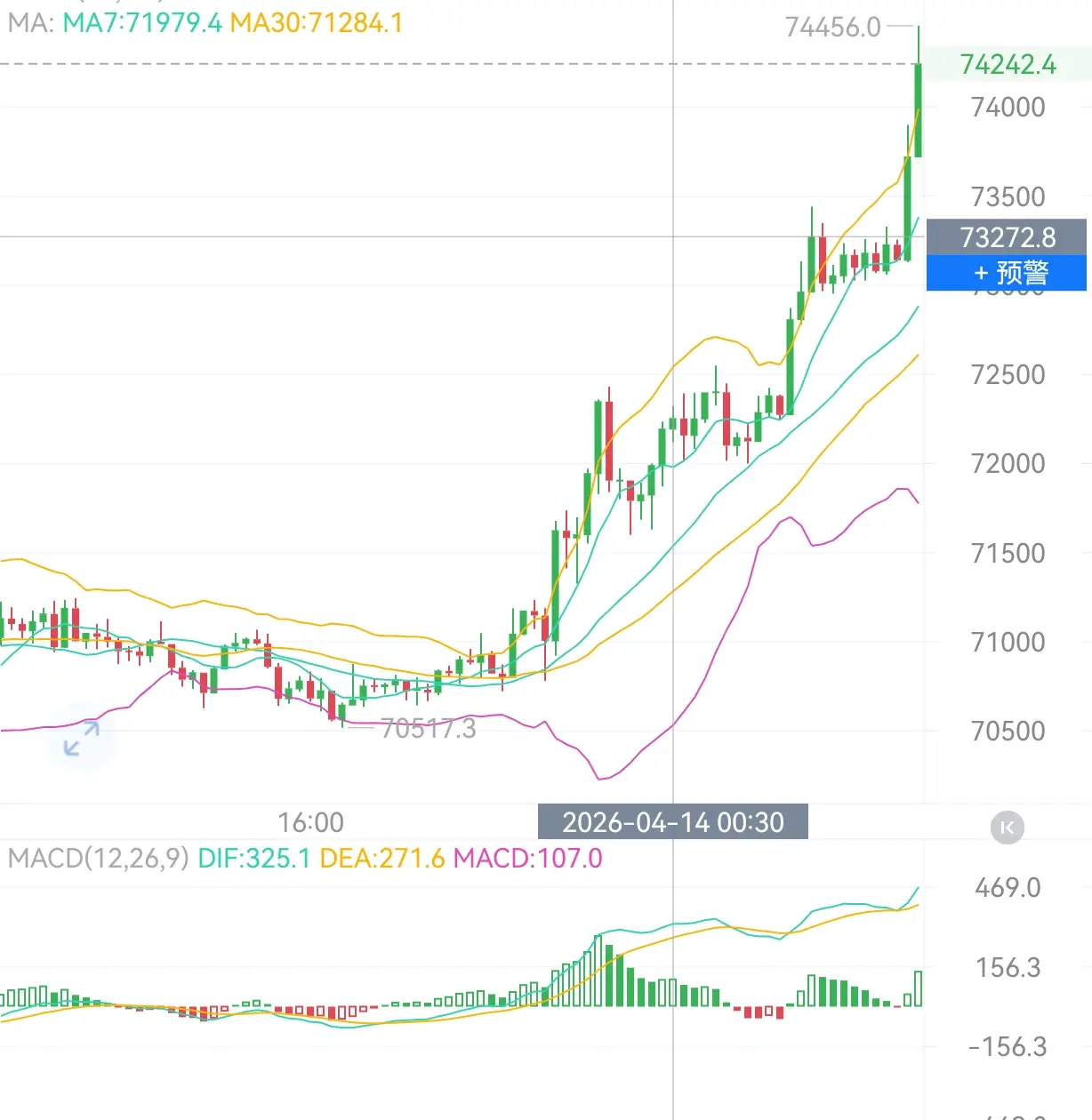
Potential for parallel movement of Gold + Bitcoin
B) Oil Shock → Inflation → Money Printing
Central banks may be forced to ease again
👉 This is bullish for BTC in the medium term
C) Risk Scenario
If the war escalates:
In the short term, all risky assets fall
There will be a “liquidity sell-off,” including BTC
D) Critical Threshold
110–120$ oil = systemic stress
At this level: 👉 Crypto returns to the “alternative system” narrative
7. Possible Scenarios (Projection)
Scenario 1 – Controlled Tension (Most likely)
Blockade continues
Oil remains high
Crypto gradually strengthens
Scenario 2 – Hot Conflict
Iran attacks
The Bosphorus is completely closed Closes
Oil $150+
👉 BTC first falls, then rises sharply
Scenario 3 – Diplomatic Solution
Agreement reached
Oil falls
👉 Crypto suppressed in the short term
Conclusion: The New World Order Passes Through a Strait
The Strait of Hormuz is no longer just an energy passage—
it's a bottleneck in the global power struggle.
The US wants to reshape the system by forcing its way through military force.
Iran resists.
Europe is divided.
China is calculating.
And the markets…
are just beginning to price it in.
For the crypto investor, this crisis boils down to a single question:
👉 “If this system breaks, what will the new system be?”
The answer is slowly becoming clear.
#USBlocksStraitofHormuz
#CryptoMarketsDipSlightly
#AreYouBullishOrBearishToday?
#GateSquareAprilPostingChallenge
$BTC $XAUUSD $XBRUSD
The global system sometimes breaks at a single narrow passage. Today, that breaking point is the Strait of Hormuz, through which approximately 20% of the world's oil passes. The naval blockade launched by the US against Iran is no longer just a military move; it is a geopolitical shock that could rewrite the fate of energy, trade, finance, and crypto markets. And this time, it's not just about oil—it's about liquidity, security, and the balance of power.
1. What Happened?
Following failed talks with Iran, US President Donald Trump officially launched a naval blockade against Iran in the Strait of Hormuz.
The US Navy is targeting ships entering and leaving Iranian ports.
The aim is to cut off Iranian oil exports (~2 million barrels/day).
Trump explicitly threatened: interfering Iranian elements will be “immediately destroyed.”
This is not technically a full closure of the strait, but in effect, it is a selective economic war aimed at cutting off the flow of energy passing through Iran.
2. Geopolitical Fault Lines Breaking
US vs. Iran: Risk of Hot Contact
Iranian Revolutionary Guard sees this as a "declaration of war"
Mines, fast attack boats, anti-ship missiles: active risk
This is far more dangerous than a classic conflict:
👉 Asymmetric naval warfare + energy strait = global crisis
The Western Bloc is Dividing
UK (Keir Starmer) refused to support the US
Europe focused on "energy price" and "civilian cost"
This means:
👉 Strategic breakdown within NATO
The Russia and China Front
Kremlin: "Heavy damage to global markets"
China: 90% dependent on energy passing through the strait (critical data)
👉 For China, this crisis = energy security crisis
👉 For Russia, this crisis = oil price opportunity
3. Global Economy: Shockwave Begins
Energy Market
Oil rapidly Rising to $100+
Traffic dropped significantly (dramatic decrease from ~150 ships)
Inflationary Effect
Energy → logistics → food chain
Global inflation may be triggered again
Insurance and Trade
Tanker insurance costs skyrocketed
Alternative routes (Omani coast, etc.) are coming into play
4. Military Perspective: Struggle for Control
USA:
Aircraft carriers, destroyers, mine-clearing operations
"Naval control + economic pressure" strategy
Iran:
Advantage of confined spaces
Mines and swarm tactics
👉 This is not a classic war, it's a strait war
👉 Risk: a small spark → a major regional war
5. International Institutions and Mediation
Pakistan-mediated talks failed
China and Russia play a balancing role in the UN (blocking decisions)
Vatican and other actors called for "restraint"
👉 But the truth is:
Diplomacy is currently lagging behind the military.
6. Crypto Investor Perspective: The Real Story is Here
This crisis scares the traditional investor. But for a crypto investor, this is:
A) Liquidity Flight = Crypto Inflow
Geopolitical risk → search for safe haven
Potential for parallel movement of Gold + Bitcoin
B) Oil Shock → Inflation → Money Printing
Central banks may be forced to ease again
👉 This is bullish for BTC in the medium term
C) Risk Scenario
If the war escalates:
In the short term, all risky assets fall
There will be a “liquidity sell-off,” including BTC
D) Critical Threshold
110–120$ oil = systemic stress
At this level: 👉 Crypto returns to the “alternative system” narrative
7. Possible Scenarios (Projection)
Scenario 1 – Controlled Tension (Most likely)
Blockade continues
Oil remains high
Crypto gradually strengthens
Scenario 2 – Hot Conflict
Iran attacks
The Bosphorus is completely closed Closes
Oil $150+
👉 BTC first falls, then rises sharply
Scenario 3 – Diplomatic Solution
Agreement reached
Oil falls
👉 Crypto suppressed in the short term
Conclusion: The New World Order Passes Through a Strait
The Strait of Hormuz is no longer just an energy passage—
it's a bottleneck in the global power struggle.
The US wants to reshape the system by forcing its way through military force.
Iran resists.
Europe is divided.
China is calculating.
And the markets…
are just beginning to price it in.
For the crypto investor, this crisis boils down to a single question:
👉 “If this system breaks, what will the new system be?”
The answer is slowly becoming clear.
#USBlocksStraitofHormuz
#CryptoMarketsDipSlightly
#AreYouBullishOrBearishToday?
#GateSquareAprilPostingChallenge
$BTC $XAUUSD $XBRUSD