


Futures
Access hundreds of perpetual contracts
TradFi
Gold
One platform for global traditional assets
Options
Hot
Trade European-style vanilla options
Unified Account
Maximize your capital efficiency
Demo Trading
Introduction to Futures Trading
Learn the basics of futures trading
Futures Events
Join events to earn rewards
Demo Trading
Use virtual funds to practice risk-free trading
Launch
CandyDrop
Collect candies to earn airdrops
Launchpool
Quick staking, earn potential new tokens
HODLer Airdrop
Hold GT and get massive airdrops for free
Launchpad
Be early to the next big token project
Alpha Points
Trade on-chain assets and earn airdrops
Futures Points
Earn futures points and claim airdrop rewards


More






What is GameFi? Quickly grasp the core gameplay of Blockchain games and earn NFTs.
Introduction
In 2025, GameFi (Game Finance) is reshaping the gaming industry at an unprecedented speed. Blockchain games, Play-to-Earn (P2E) models, and NFT games have become hot topics, creating a brand new digital economic ecosystem. These cryptocurrency-driven games not only provide entertainment experiences but also create stable income sources for players, fundamentally changing people’s perception of the value of virtual assets.
This article will delve into the latest developments in the GameFi sector, including the evolution of P2E from concept to practice, the key role of NFTs in gaming assets, and how GameFi integrates with the metaverse to create immersive virtual worlds. Whether you are a blockchain gamer, investor, or developer, you will gain valuable insights into this revolutionary breakthrough and the future trends of the integration of finance and gaming.
What is GameFi?
GameFi (Game + Finance) is an innovative model that combines “gaming” and “decentralized finance (DeFi)”. Players participate in games through blockchain technology not just for entertainment but also to earn cryptocurrencies, NFTs, and other virtual assets.
These blockchain games usually adopt a “play-to-earn” mechanism, allowing players to earn tradable in-game items, tokens, and even cash during the process. In simple terms, GameFi breaks the traditional notion that “playing games costs money,” making “earning while playing” a reality and creating new possibilities for the digital economy.
GameFi 2025: Revolutionary Breakthroughs in Blockchain Gaming
By early 2025, GameFi has become a dominant force in the blockchain gaming sector, completely transforming the landscape of the traditional gaming industry. With continuous technological advancements, the GameFi ecosystem has become more mature and diverse.
Currently, the number of active users participating in various GameFi projects worldwide has exceeded 50 million, with an annual transaction volume exceeding 100 billion USD. Behind this staggering growth is the deep integration of blockchain technology with the gaming industry, providing players with an unprecedented gaming experience and economic benefits.
In the GameFi ecosystem of 2025, we see many innovative game modes. For example, immersive blockchain games based on virtual reality (VR) technology have become mainstream, allowing players to truly experience the gaming environment in a virtual world by completing tasks and trading virtual assets, while earning real income.
In addition, the rise of cross-chain gaming platforms allows players to seamlessly switch between different blockchain networks, significantly increasing the liquidity and value of gaming assets. It is worth noting that, as a leading cryptocurrency trading platform, Gate.io has played an important role in promoting the development of GameFi.
By providing a high-quality list of GameFi projects and trading services, Gate.io has built an efficient and secure trading bridge for game developers and players, promoting the healthy development of the entire ecosystem. Quickly find the games that suit you on Gate.io.
Advantages and Disadvantages of GameFi: What Should Be Noted?
The opportunities and challenges of GameFi coexist. While exploring the emerging trend of blockchain gaming, we also need to recognize its potential risks and limitations. Below is a comprehensive overview of the five major advantages and five common disadvantages of GameFi, helping you gain a thorough understanding of the reality behind the “play-to-earn” wave.
Advantages of GameFi
One of the advantages of GameFi: games that earn money
Players can earn tokens or NFTs by completing tasks and participating in game activities, with the opportunity to convert them into real income.
The second advantage of GameFi: Asset ownership returns to players. Blockchain technology ensures that players truly own virtual assets, including equipment, items, land, etc., which can be freely transferred, traded, or used across games.
The third advantage of GameFi: an open and transparent economic system The asset flow and reward mechanisms in the game are recorded on the blockchain, reducing opaque operations and increasing trust.
The fourth advantage of GameFi: Community-driven and governance participation
Some GameFi projects allow players to participate in game development decisions through DAOs (Decentralized Autonomous Organizations), enhancing player engagement and sense of involvement.
One of the five advantages of GameFi: creating new economic models and job opportunities
Players can earn real income in the virtual world through farming, trading, playing games for others, or establishing game guilds, and even develop these into professions.
The disadvantages and risks of GameFi
1.#### One of the drawbacks of GameFi: the price volatility of tokens and NFTs In-game assets are often influenced by market sentiment and speculative trading, which can lead to significant value fluctuations, making investment risks very high. 2. #### Disadvantage of GameFi II: High entry barriers Beginners need to understand concepts such as cryptocurrency wallets, smart contracts, and blockchain platforms; those who are unfamiliar are prone to making mistakes or being scammed. 3. #### Disadvantage Three of GameFi: Some projects lack gameplay. Some GameFi projects overly emphasize profit-making mechanisms while neglecting the playability of the game, leading to a poor user experience and rapid player attrition. 4. #### The fourth disadvantage of GameFi: the risk of “Ponzi schemes” Some projects rely on continually attracting new participants to maintain the economic cycle; without real demand and a user base, they can potentially become financial schemes. 5. #### Disadvantages of GameFi Five: Regulatory and Platform Risks Regulation of virtual currencies and blockchain games varies by country and remains unclear, and some platforms may face policy repression or security issues.
What types of GameFi players are there?
The development of GameFi has not only changed the form of games but also attracted players with different motivations and backgrounds. Based on how players interact with GameFi, their purposes and behavioral tendencies, they can be broadly classified into five types. Understanding these classifications helps newcomers find their place and allows developers and investors to more clearly identify their target audience.
Player Type 1: Profit-Oriented Players (Play-to-Earn Investors)
They view GameFi as an investment tool, accumulating tradable tokens or NFTs by completing tasks, upgrading equipment, and cultivating assets, and then monetizing them in the market. Some even consider this as their part-time or full-time profession.
Player Type 2: Entertainment Player (Focused on Game Experience)
For these players, the playability, visual style, storyline, or community interaction of the game is crucial. They may not necessarily focus on the token price, but rather enjoy the game itself and may gradually understand blockchain technology through their experiences.
Player Type Three: Arbitrage Player (Speculator)
They focus on market opportunities and timing, observing token price fluctuations and the popularity of NFTs, choosing games with high short-term returns for quick in and out. They operate flexibly but invest less in the gaming experience, having a high risk awareness but lower stickiness.
Player Type 4: Participation-Oriented Players (Builders/Contributors)
They are not just players, but part of the community. They may participate in DAO governance, help promote the game, manage online guilds, or even create their own characters or game content. They are willing to invest time and resources to promote the long-term development of GameFi projects.
Player Type 5: Explorer Player (Beginner)
At the beginning of their exposure to blockchain and GameFi, they are in the learning and experimentation stage, usually starting with free or low-risk games, and relying on recommendations from others or community shares. They are important potential users for the growth of GameFi.
What is the Play-to-Earn model? From dream to reality
By 2025, the play-to-earn (P2E) model has evolved from an emerging concept into the mainstream business model of the gaming industry. This model not only changes the relationship between players and games but also creates a new digital economic ecosystem. According to the latest statistics, over 100 million players worldwide earn stable income through the P2E model, with about 20% of them considering it their primary source of income.
In the P2E model, games are no longer just entertainment, but have become a new form of employment. Players earn cryptocurrency rewards by participating in games, completing tasks, and trading virtual assets. This model is particularly popular among players in developing countries, providing them with additional economic opportunities. For example, in the Philippines, over 1 million people earn income by playing P2E games, with an average monthly income reaching 1.5 times the local minimum wage.
However, the success of the P2E model has also brought challenges. In order to maintain the sustainability of the game economy, developers need to continuously innovate game mechanisms and balance game enjoyment with economic incentives. Gate.io helps developers optimize game economic models by providing professional GameFi consulting services and technical support, ensuring the long-term healthy development of P2E games.
NFT Games: The Golden Age of Virtual Assets
By 2025, NFT games have become the most active part of the GameFi ecosystem. Non-fungible token (NFT) technology provides true scarcity and ownership for in-game assets, fundamentally changing players’ perceptions and values of virtual items. Currently, the global NFT game market has reached a scale of $50 billion, maintaining an annual growth rate of over 30%.
In NFT games, players can own, trade, and transfer unique in-game assets such as characters, equipment, and land. These assets have value not only within the game but can also be traded on secondary markets, realizing value appreciation. Some rare NFT game assets have even become digital artworks, valued far beyond the game itself. For example, in a well-known NFT game, a limited edition character NFT was auctioned for $1 million, setting a new record for game asset transactions.
Gate.io, as a leading NFT trading platform, provides a safe and convenient trading environment for NFT game developers and players. Through Gate.io’s NFT marketplace, players can easily buy, sell, and exchange various game NFTs, promoting the prosperity of the NFT gaming ecosystem.
In 2025, the perfect integration of the metaverse and GameFi reached new heights, creating an immersive and interconnected virtual world ecosystem. In this ecosystem, games are no longer isolated experiences but become part of a larger virtual society. Players can freely move between different games and platforms, bringing their digital identities and assets into various virtual environments.
Metaverse GameFi projects not only provide gaming experiences but also include social, commercial, educational, and other diverse functions. For example, some large metaverse projects have established a complete virtual economic system where players can work, start businesses, invest, and even participate in virtual politics. This multidimensional interaction greatly enhances user stickiness and engagement, and also brings more business opportunities to GameFi projects.
Gate.io provides a comprehensive metaverse GameFi solution, including token issuance, NFT trading, and cross-chain bridge services, strongly supporting the development of metaverse projects. This not only accelerates the integration process of the metaverse and GameFi but also offers users richer and safer participation channels.
2025 Popular GameFi Game Recommendations
GameFi offers a wide variety of genres, ranging from role-playing to card strategy, and from NFT collections to land management. If you are just starting to explore blockchain games or looking for the latest earning platforms, here are several popular GameFi games for 2025. Whether you want to experience gaming or earn income, you can find the right option.
God Chain - Free card battles, earn NFTs
“Underworld” is a free blockchain-based card battle game, with gameplay similar to “Hearthstone,” emphasizing that “skills and strategies determine victory or defeat,” rather than just spending money. Players can collect, upgrade, and trade cards with NFT attributes, and cards obtained in battles can be freely put on-chain and sold in the market. This is a popular choice for entering GameFi, especially suitable for players who enjoy strategic battles. 2. ### “Axie Infinity” - The classic pet battle GameFi representative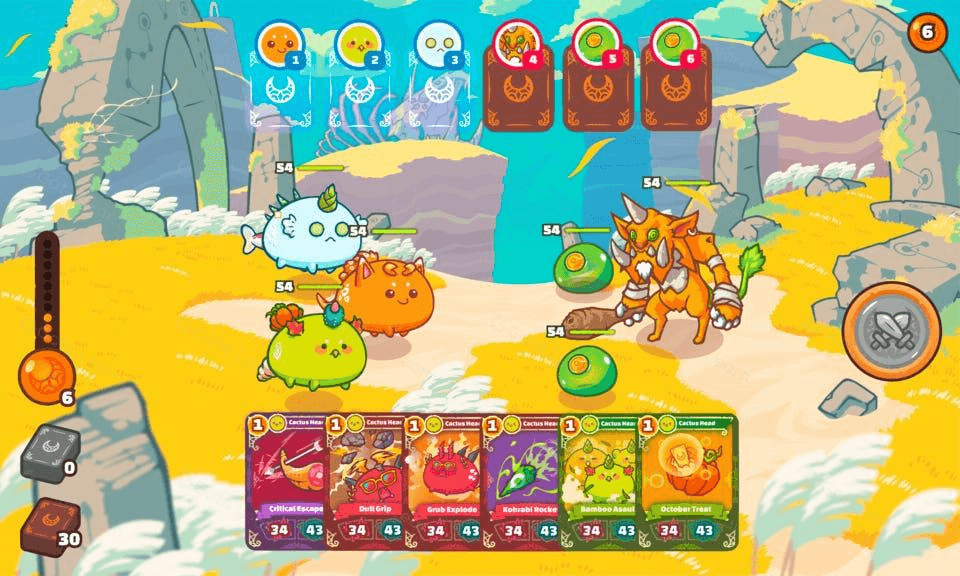 As one of the earliest games to promote the play-to-earn concept, Axie Infinity allows players to breed cute Axie pets, participate in battles, and breed them to earn SLP tokens. Although its popularity has declined in recent years, its game mechanics and NFT economic model still hold reference value, especially suitable for players with higher capital budgets who hope to obtain stable returns from gaming.
3. ### Sandbox - A Paradise for Metaverse Creators
As one of the earliest games to promote the play-to-earn concept, Axie Infinity allows players to breed cute Axie pets, participate in battles, and breed them to earn SLP tokens. Although its popularity has declined in recent years, its game mechanics and NFT economic model still hold reference value, especially suitable for players with higher capital budgets who hope to obtain stable returns from gaming.
3. ### Sandbox - A Paradise for Metaverse Creators
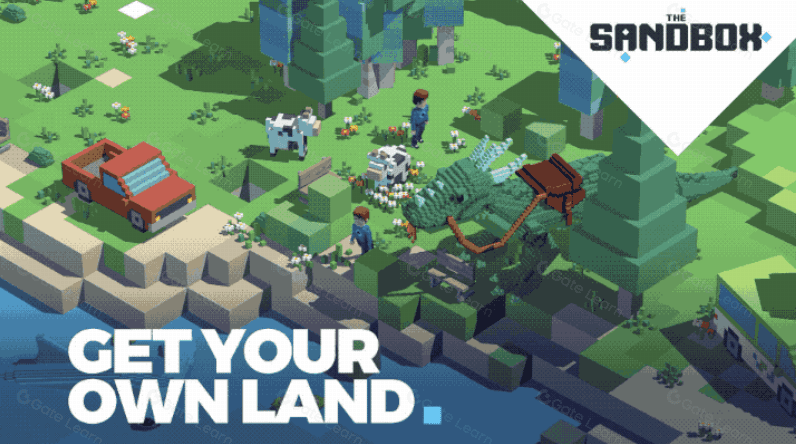 沙盒 is a game that combines creative, building, and social elements, located in the metaverse. Players can purchase virtual land, create their own spaces, and even host events or rent out for profit. Supporting free creation in the NFT system and DAO governance, it has become the top choice for blockchain creators and content workers. It is suitable for players with design creativity or those interested in participating in the construction of the virtual economy.
4. ### STEPN - A profitable model of mining by walking
! [STEPN](/price/ stepn-gmt) cleverly combines “workout” with “blockchain”, players can earn GMT or GST tokens by simply wearing NFT sneakers and opening the app to walk or run. This concept of “walking to earn” has sparked a global trend, opening up a new direction for blockchain applications. Suitable for players who love the outdoors and want to earn money through sports.
5. ### Great Era - Large Scale Multiplayer Adventure + NFT Drop Mechanism
沙盒 is a game that combines creative, building, and social elements, located in the metaverse. Players can purchase virtual land, create their own spaces, and even host events or rent out for profit. Supporting free creation in the NFT system and DAO governance, it has become the top choice for blockchain creators and content workers. It is suitable for players with design creativity or those interested in participating in the construction of the virtual economy.
4. ### STEPN - A profitable model of mining by walking
! [STEPN](/price/ stepn-gmt) cleverly combines “workout” with “blockchain”, players can earn GMT or GST tokens by simply wearing NFT sneakers and opening the app to walk or run. This concept of “walking to earn” has sparked a global trend, opening up a new direction for blockchain applications. Suitable for players who love the outdoors and want to earn money through sports.
5. ### Great Era - Large Scale Multiplayer Adventure + NFT Drop Mechanism
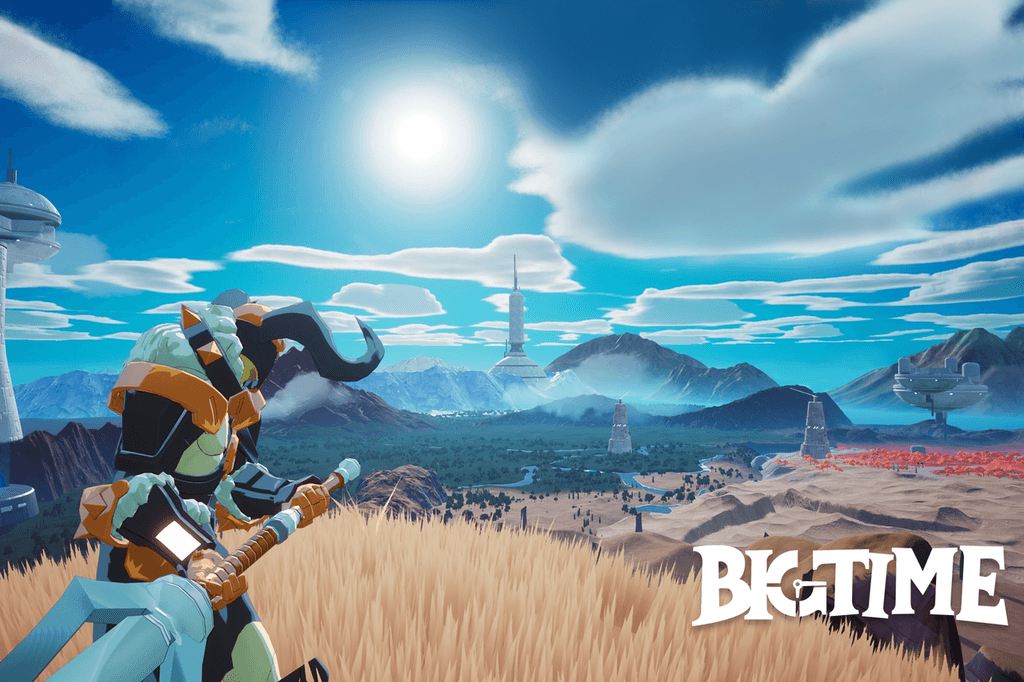 Big Time is a visually stunning massively multiplayer online role-playing game (MMORPG) ( where players can team up with friends to explore, defeat bosses, and acquire NFT gear that can be freely traded on the market. The game emphasizes real-time combat and exhilarating action experiences, making it an ideal choice for players seeking immersion and long-term progression.
Common Questions for GameFi Beginners
) What is GameFi? GameFi is a combination of “gaming” and “finance,” referring to the integration of blockchain technology with gaming mechanics, allowing players to earn tradable crypto assets, such as tokens or NFTs, during gameplay, also known as “play-to-earn.”
What blockchain games are there ###? Common blockchain games include “Gods Unchained”, “Axie Infinity”, “Sandbox”, “Big Time”, “STEPN”, etc., covering various game styles such as card games, pet raising, metaverse, and sports, allowing players to choose based on their preferences and profit models.
How to make money with blockchain games ###? Players earn game tokens or NFTs by completing tasks, battling, collecting items, or leveling up characters. These tokens can be traded on-chain for cryptocurrencies or fiat currencies. Some games also support land leasing or DAO rewards.
What is the SLP token?
SLP (Smooth Love Potion) is the in-game token of Axie Infinity, primarily obtained through battles and completing tasks, used for breeding Axies or exchanging for other assets on cryptocurrency exchanges.
What is an NFT?
NFTs (Non-Fungible Tokens) are unique digital assets that can represent virtual items, characters, land, and more. When players own NFTs in blockchain games, they hold ownership and trading rights to these assets.
What is DeFi?
DeFi (Decentralized Finance) refers to lending, trading, and asset management on the blockchain without the need for banks or intermediaries. GameFi is an extension of DeFi applications, embedding financial mechanisms into games.
What is a “chain game”?
“Chain Games” is the abbreviation for blockchain games, referring to game systems built on the blockchain, where characters, items, and assets are recorded and owned through on-chain technology.
There are several free games suitable for beginners in GameFi (such as God Chain and Giant Time), but it is still necessary to understand the basic operations of blockchain wallets and asset management methods. It is recommended that newcomers start with low-risk, free projects.
Conclusion
GameFi has completely transformed the landscape of the gaming industry in 2025, creating a brand new digital economy ecosystem. The deep integration of blockchain technology and gaming has brought players unprecedented experiences and rewards. The development of earning through games, NFT games, and the metaverse is reshaping our understanding of virtual assets, ushering in a new era filled with opportunities. Risk Warning: Market fluctuations may affect the value of GameFi projects, regulatory policy changes may limit development, and technical risks may lead to asset loss.
**Reference ** [1. What is GameFi? A comprehensive guide to earning cryptocurrency while playing blockchain games!|Introduction]###(
[2. What is GameFi? What games and platforms are there? How to earn money? What is blockchain gaming?])(
Author: Amao C., Gate.io researcher *This article only represents the author’s viewpoint and does not constitute any trading advice. Investing carries risks, and decisions should be made with caution. *This content is original and copyrighted by Gate.io. If you need to reprint, please indicate the author and source, otherwise legal responsibility will be pursued.