


Futures
Access hundreds of perpetual contracts
TradFi
Gold
One platform for global traditional assets
Options
Hot
Trade European-style vanilla options
Unified Account
Maximize your capital efficiency
Demo Trading
Introduction to Futures Trading
Learn the basics of futures trading
Futures Events
Join events to earn rewards
Demo Trading
Use virtual funds to practice risk-free trading
Launch
CandyDrop
Collect candies to earn airdrops
Launchpool
Quick staking, earn potential new tokens
HODLer Airdrop
Hold GT and get massive airdrops for free
Launchpad
Be early to the next big token project
Alpha Points
Trade on-chain assets and earn airdrops
Futures Points
Earn futures points and claim airdrop rewards


More





Nasdaq to Utilize Technology Developed for Cryptocurrency to Power Carbon Markets
Disclosure: Crypto is a high-risk asset class. This article is provided for informational purposes and does not constitute investment advice. By using this website, you agree to our terms and conditions. We may utilise affiliate links within our content, and receive commission.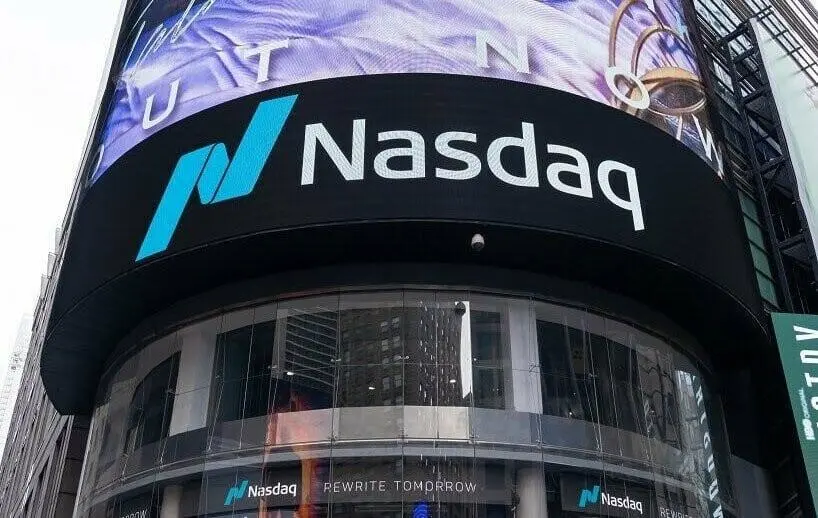 Source: AdobeStock / JHVEPhotoNasdaq is set to leverage the technology it developed for its cryptocurrency venture to expand into emerging markets
The renowned stock exchange operator, which recently abandoned its plans to launch a custodian business for digital assets in the United States, aims to capitalize on its technology to attract clients interested in new assets, including carbon.
In an interview with Bloomberg Television, Tal Cohen, the co-president of Nasdaq, revealed that the company still plans to launch the technology.
“We’re still going to launch it, but we’re going to launch it as a technology service. We’re going to have an institutional-grade end-to-end technology platform that we hope powers not only digital assets but markets like carbon.”
While regulatory efforts seek to isolate the US financial from cryptocurrencies, Nasdaq, along with other mainstream financial firms, has adjusted its digital asset ambitions
Earlier this year, Nasdaq announced its commitment to continue developing its technology to support crypto-related services for clients, despite halting efforts to pursue a related business license.
With UK startups increasingly opting to debut on public markets in New York rather than London, US exchange operators have experienced significant benefits
Cohen expressed Nasdaq’s willingness to collaborate with lawmakers, aiming to enhance the region’s attractiveness as a destination for such listings.
He highlighted the challenges faced by Europe, citing tax regimes, burdensome regulations, and complexity as structural issues hindering growth
Nasdaq, boasting a significant presence in Europe, expressed its readiness to engage in discussions with European authorities to explore avenues for assistance and collaboration.
Nasdaq Dropped Crypto Plans after Regulatory Challenges
Back in July, Nasdaq said it has scrapped plans for a cryptocurrency custody service amid recent regulatory challenges
At the time, Nasdaq CEO Adena Friedman said the company has chosen to abandon its plans due to the changing business and regulatory landscape in the United States.
“Considering the shifting business and regulatory environment in the U.S., we’ve made the decision to halt our launch of the U.S. digital assets custodian business and our related efforts to pursue a relevant license,” she said
Friedman explained that the decision comes even as Nasdaq has put in significant effort to establish the necessary infrastructure and gain regulatory approval for the custody service
In fact, the firm had even applied to the New York Department of Financial Services (NYDFS) for a limited-purpose trust company to oversee the custody business.
The CEO noted that Nasdaq will continue to engage with crypto companies, partnering with potential exchange-traded fund (ETF) issuers.
“More broadly, we remain committed to supporting the evolution of the digital asset eco in a iety of ways, among them through our ongoing engagement with regulators, the delivery of comprehensive technology solutions across the trade life cycle and through our partnerships with potential ETF issuers to support tradable exchange listed products,” Friedman added.