
Futures
Access hundreds of perpetual contracts
TradFi
Gold
One platform for global traditional assets
Options
Hot
Trade European-style vanilla options
Unified Account
Maximize your capital efficiency
Demo Trading
Introduction to Futures Trading
Learn the basics of futures trading
Futures Events
Join events to earn rewards
Demo Trading
Use virtual funds to practice risk-free trading
Launch
CandyDrop
Collect candies to earn airdrops
Launchpool
Quick staking, earn potential new tokens
HODLer Airdrop
Hold GT and get massive airdrops for free
Launchpad
Be early to the next big token project
Alpha Points
Trade on-chain assets and earn airdrops
Futures Points
Earn futures points and claim airdrop rewards


More

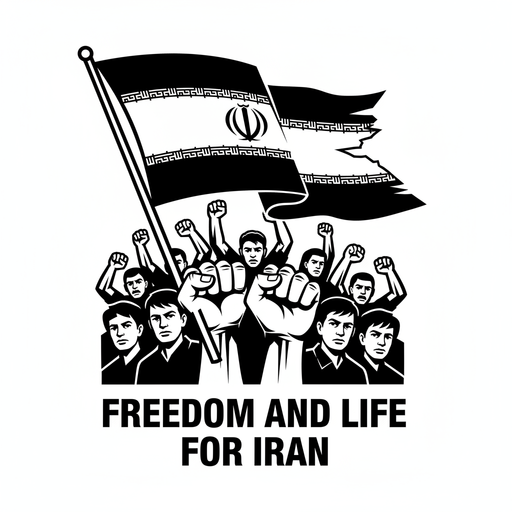




#IranLandmarkBridgeBombed
April 3, 2026, will not be remembered as just another geopolitical headline. It marks a moment where symbolism overtook strategy, and where a single strike reshaped not only a skyline—but global risk perception itself.
The destruction of the B1 Bridge in Iran’s Alborz province is more than infrastructure loss. It is a psychological fracture point. When a nation’s most iconic landmark falls in a confirmed US-Israeli strike, the message is no longer tactical—it is deeply strategic, and unmistakably global.
This is where markets begin to react differently.
We are now operating in an environment where geopolitics is the primary driver of liquidity. The Strait of Hormuz disruption has already pulled millions of barrels of oil off the market. Energy prices are surging past critical thresholds, and inflation expectations are reigniting just as central banks were hoping for relief. Rate cuts are no longer a discussion—they are a fading narrative.
But while traditional markets pause, hesitate, and wait for Monday openings—crypto does not.
Crypto has become the world’s first responder to chaos.
When the first signs of escalation appeared earlier this year, it wasn’t equities or commodities that reacted in real time—it was Bitcoin. It absorbed the fear, processed the uncertainty, and reflected global sentiment instantly. Today, with the Fear & Greed Index sitting at an extreme low of 9, we are not looking at panic—we are looking at positioning.
Because beneath the surface, something important is happening.
Liquidity is tight. Shorts are crowded. Sentiment is exhausted.
And historically, these are not conditions of collapse—they are conditions of potential reversal.
Markets driven by headlines create asymmetric opportunities. Right now, the majority is reacting to fear, while a smaller, quieter segment is preparing for what comes next. If even a slight shift in narrative occurs—a ceasefire headline, a diplomatic signal, a pause in escalation—the reaction could be explosive.
Not gradual. Not controlled. Violent.
The path toward higher levels, even beyond $80,000 for Bitcoin, would not require perfect conditions—only a break in fear.
At the same time, the role of crypto in conflict zones is evolving. In regions under stress, it is no longer viewed as speculative technology. It is becoming financial infrastructure—borderless, permissionless, and immediate. When traditional systems fail or restrict access, crypto steps in as a functional alternative.
That changes everything.
This is no longer a cycle driven by hype or halving narratives alone. This is a cycle shaped by macro tension, capital rotation, and real-world utility under pressure.
The collapse of the B1 Bridge is a stark reminder: markets do not exist in isolation. Every candle now carries the weight of global events.
We are no longer trading charts.
We are trading reality.
#GateSquareAprilPostingChallenge