
Futures
Access hundreds of perpetual contracts
TradFi
Gold
One platform for global traditional assets
Options
Hot
Trade European-style vanilla options
Unified Account
Maximize your capital efficiency
Demo Trading
Introduction to Futures Trading
Learn the basics of futures trading
Futures Events
Join events to earn rewards
Demo Trading
Use virtual funds to practice risk-free trading
Launch
CandyDrop
Collect candies to earn airdrops
Launchpool
Quick staking, earn potential new tokens
HODLer Airdrop
Hold GT and get massive airdrops for free
Launchpad
Be early to the next big token project
Alpha Points
Trade on-chain assets and earn airdrops
Futures Points
Earn futures points and claim airdrop rewards


More


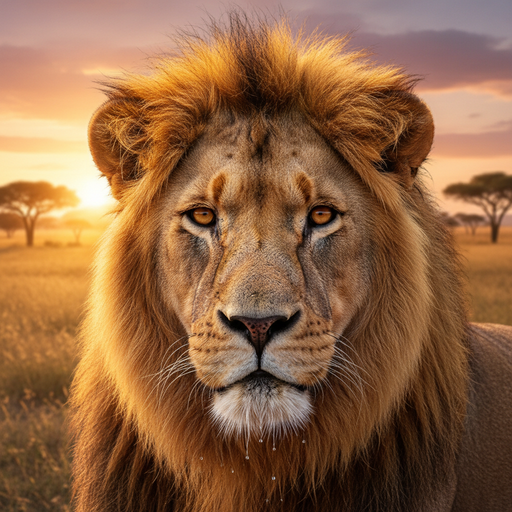

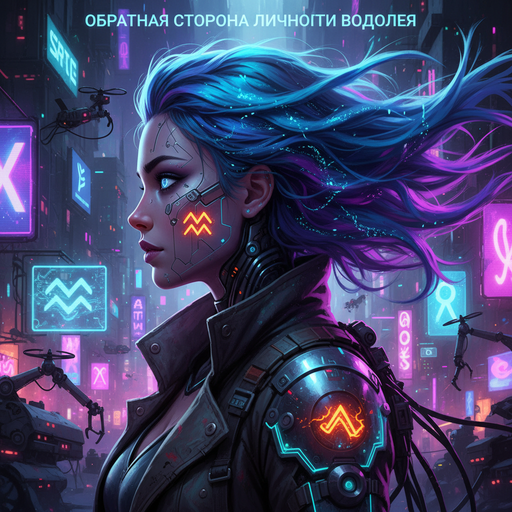
Recently, I've been researching various AI tools that create videos from images, and I honestly think this is a really fascinating technology. In the past, video production was really difficult, requiring specialized skills, expensive software, and of course, a lot of time. But now, all you need to do is upload a still image, and AI automatically converts it into an animated video.
The mechanism is quite simple: when you upload a high-quality image, AI analyzes the subject, background, depth, and other elements, then automatically applies motion effects like zoom, pan, and parallax. You can also upload multiple images to create a slideshow, and incorporate text, logos, and audio. I was convinced that this is how AI image-to-video creation works.
Honestly, this is a huge leap compared to traditional video editing software. Conventional methods can take hours or even days, but with AI, it can be done in just a few minutes. Cost-wise, you don’t need to buy expensive software or hire professional editors. Personally, I think the biggest advantage is how easy and accessible it is.
The use cases are also very diverse, ranging from short videos for social media posts, product demos, educational content, brand storytelling, to personal memory videos. With video content becoming dominant on TikTok, Instagram, and YouTube, having such tools is really convenient.
However, there are some limitations. Complex images may not be perfectly animated, and free versions often include watermarks or limited features. To access advanced effects, a premium plan is usually required. Still, if the original image is high resolution, the results tend to be quite good.
A key tip for creating high-quality videos is to start with very clear, sharp images. Shorter videos tend to perform better on social media and help maintain viewers’ attention. Adding text or logos can give a more professional look. Experimenting with different motion effects, adding background music or voiceovers—these tweaks can significantly improve the visual appeal.
Looking ahead, we can expect more natural motion animations, AI-generated voiceovers with automatic subtitles, cloud-based collaboration features, and more detailed customization options. As technology advances, AI that creates videos from images will become faster, easier, and more powerful.
In conclusion, this AI technology that turns images into videos has already changed the game in video production. Marketers, creators, and companies can now produce professional-quality videos quickly. I believe tools like these will play an increasingly important role in digital content strategies.