
Futures
Access hundreds of perpetual contracts
TradFi
Gold
One platform for global traditional assets
Options
Hot
Trade European-style vanilla options
Unified Account
Maximize your capital efficiency
Demo Trading
Introduction to Futures Trading
Learn the basics of futures trading
Futures Events
Join events to earn rewards
Demo Trading
Use virtual funds to practice risk-free trading
Launch
CandyDrop
Collect candies to earn airdrops
Launchpool
Quick staking, earn potential new tokens
HODLer Airdrop
Hold GT and get massive airdrops for free
Launchpad
Be early to the next big token project
Alpha Points
Trade on-chain assets and earn airdrops
Futures Points
Earn futures points and claim airdrop rewards


More





So I've been getting a lot of questions lately about whether trading is halal or haram in Islam, and honestly it's more nuanced than people think. Let me break down what actually matters here.
First, the baseline: trading itself isn't automatically forbidden. Whether trading is halal or haram really depends on what you're trading and how you're doing it. If you're buying stocks in companies that operate in legitimate sectors like trade, manufacturing, or services, you're generally in the clear. But if those companies are involved in alcohol production, gambling, or interest-based lending? That's where it becomes haram.
Now here's where most people get tripped up - the riba issue. Interest (riba) is a massive no-go in Islamic finance. So if your trading strategy involves borrowing money with interest or lending at interest rates, that whole thing becomes haram. This is actually why margin trading gets flagged so hard in Islamic finance circles. Most margin accounts come with interest charges, which immediately disqualifies them.
Let's talk speculation for a second. There's a difference between informed investing and straight-up gambling. If you're studying the market, taking calculated risks, and making decisions based on actual knowledge, that's considered halal trading. But if you're just throwing money at random trades hoping to get lucky? That looks too much like gambling to Islamic scholars, and it tips into haram territory.
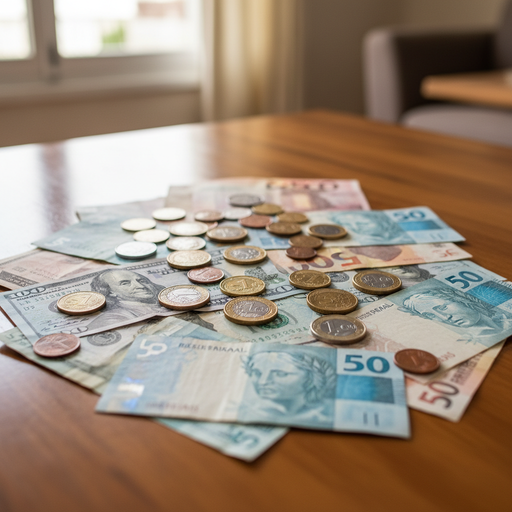
Currency trading is interesting because it has specific rules. For halal trading in forex, you need immediate exchange of both currencies - like, right now, no delays. If there's any postponement in delivery or interest involved, it becomes haram. Same logic applies to commodities and metals. Gold and silver trading is fine as long as you're doing spot transactions with immediate delivery.
Mutual funds and structured products depend entirely on what's inside them. If the fund is Sharia-compliant and only invests in halal sectors, you're good. But if it's dealing with interest or prohibited industries, then investing in it is haram. CFDs are generally considered haram because they involve no actual asset ownership and typically include interest components.
The real takeaway? Whether trading is halal or haram comes down to following specific Sharia principles: avoid interest completely, invest only in permissible companies and sectors, and keep your approach grounded in actual analysis rather than speculation. If you're serious about this, honestly worth consulting with a Sharia expert before jumping into any trading strategy. They can review your specific approach and make sure you're compliant.