
Futures
Access hundreds of perpetual contracts
TradFi
Gold
One platform for global traditional assets
Options
Hot
Trade European-style vanilla options
Unified Account
Maximize your capital efficiency
Demo Trading
Introduction to Futures Trading
Learn the basics of futures trading
Futures Events
Join events to earn rewards
Demo Trading
Use virtual funds to practice risk-free trading
Launch
CandyDrop
Collect candies to earn airdrops
Launchpool
Quick staking, earn potential new tokens
HODLer Airdrop
Hold GT and get massive airdrops for free
Launchpad
Be early to the next big token project
Alpha Points
Trade on-chain assets and earn airdrops
Futures Points
Earn futures points and claim airdrop rewards


More

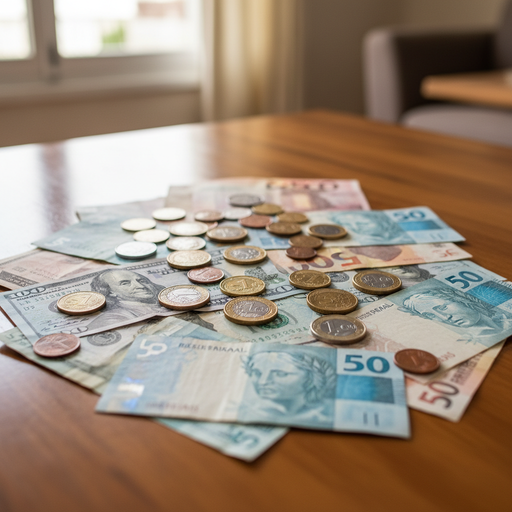



Ever scrolled through crypto or social media and wondered what people mean when they throw around terms like 1K, 1M, or 1B? Yeah, I used to be confused too. Let me break this down for you because once you get it, you'll see these numbers everywhere.
So here's the deal. K stands for Kilo, which basically means thousand. When someone says 1K, they're talking about 1,000. Pretty straightforward, right? 10K is 10,000, and 100K is 100,000. You'll see this a lot in crypto when people are talking about price targets or trading volumes.
Now, Million is where things scale up. 1 Million is literally 1,000,000 – think of it as a thousand thousands. That's why people sometimes write it as 1M. So 5M means 5 million, 10M means 10 million. In the crypto world, when we talk about market caps or trading volumes, we're usually dealing with millions.
Then there's Billion. This is where the numbers get wild. 1 Billion equals 1,000,000,000 – that's a thousand millions. When you see 1B, you're looking at a billion. Major cryptocurrencies and large-cap projects operate in the billions when it comes to market capitalization.
Here's a quick way to remember it: 1K = 1,000, 1M = 1,000,000, 1B = 1,000,000,000.
Why does this matter? If you're into crypto, trading, content creation, or anything online, you're going to encounter these numbers constantly. Understanding what 1K actually represents versus what a million or billion means helps you grasp scale and make better sense of market data. It's one of those foundational things that makes everything else click into place. Once you've got this down, analyzing charts and understanding market movements becomes way easier.