


Futures
Access hundreds of perpetual contracts
TradFi
Gold
One platform for global traditional assets
Options
Hot
Trade European-style vanilla options
Unified Account
Maximize your capital efficiency
Demo Trading
Introduction to Futures Trading
Learn the basics of futures trading
Futures Events
Join events to earn rewards
Demo Trading
Use virtual funds to practice risk-free trading
Launch
CandyDrop
Collect candies to earn airdrops
Launchpool
Quick staking, earn potential new tokens
HODLer Airdrop
Hold GT and get massive airdrops for free
Launchpad
Be early to the next big token project
Alpha Points
Trade on-chain assets and earn airdrops
Futures Points
Earn futures points and claim airdrop rewards


More


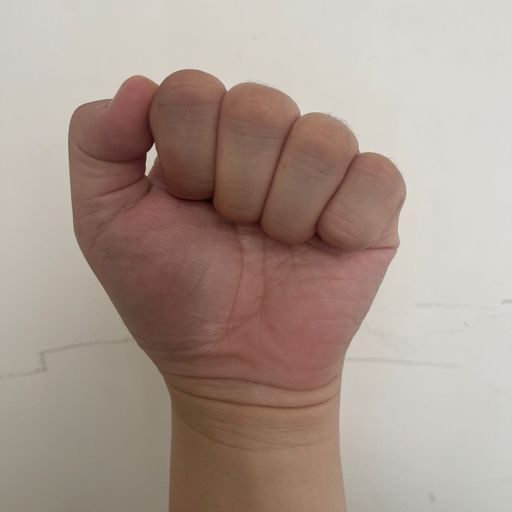



13 Critical Indicators That Reveal Inner Weakness: A Path Toward Personal Strength
Understanding what constitutes true weakness can be transformative. Rather than pointing fingers, recognizing these patterns in ourselves opens the door to genuine growth and resilience. Here are 13 distinctive characteristics that often mark someone struggling with emotional and psychological strength.
The Boundaries Problem: When You Cannot Say No
At the foundation of many struggles lies an inability to establish healthy limits. Those who consistently agree to unreasonable requests or find themselves perpetually overextended typically fear conflict and rejection. They worry that asserting their own needs might disappoint others. This pattern reveals a fundamental weakness: the inability to balance compassion with self-protection. Real strength, by contrast, manifests as confident and respectful boundary-setting.
Escapism Through Excessive Consumption
Many individuals turn to compulsive behaviors to avoid uncomfortable emotions. Whether it’s continuous consumption of adult content, endless scrolling through social media, or other forms of digital escapism, these patterns indicate avoidance of real-world challenges. The temporary relief they provide masks deeper insecurity and lacks true resilience.
The Victim Mentality: Surrendering Agency
A defining weakness emerges when someone attributes all difficulties to external circumstances or fate. These individuals rarely acknowledge their own role in shaping outcomes. Strong people take responsibility; they recognize that while circumstances matter, personal agency—effort, learning, and adaptation—ultimately drives change. Those stuck in victimhood remain trapped.
Enslaved by Harmful Routines
The inability to resist destructive habits—whether procrastination, substance dependence, or unhealthy eating patterns—demonstrates compromised willpower. Weakness becomes apparent when someone knows a behavior is damaging yet continues regardless. The cycle perpetuates: each failure to resist reinforces feelings of powerlessness, deepening the weakness.
The Courage Deficit: Gossip Instead of Confrontation
Speaking negatively about others behind their backs exposes a fundamental lack of courage. Direct conversation requires facing discomfort and potential conflict; gossip offers an easy alternative. This behavior simultaneously undermines trust and reveals the gossiper’s own insecurity, envy, or inadequacy.
Defensive Reactions to Constructive Input
When criticism triggers immediate defensiveness rather than reflection, emotional immaturity is exposed. Secure, strong individuals view feedback as valuable information for improvement. Weak individuals interpret the same input as personal rejection or threat, blocking their path to growth.
Identity Borrowed From Others’ Approval
Constantly shifting beliefs and values based on who’s in the room reflects an absent sense of self. Someone perpetually seeking external validation has surrendered their internal compass. This pattern creates chronic inconsistency, insincerity, and vulnerability to manipulation by stronger personalities.
Paralysis by Analysis: The Action Gap
Fear paralyzes progression. Whether it’s fear of failure, success, or judgment, those unable to take decisive action remain stuck. They ruminate endlessly, seeking perfect conditions that never arrive. Strong individuals move forward despite uncertainty; weak ones use overthinking as an excuse for stagnation.
Externalizing Responsibility: The Blame Game
When someone consistently blames others for their circumstances, they’ve abdicated personal power. This defense mechanism provides temporary relief but prevents accountability and growth. Real strength involves honest self-examination and willingness to make internal changes.
Prioritizing Immediate Gratification
Continuously choosing short-term pleasure—parties over preparation, entertainment over effort—reveals poor self-discipline. While occasional recreation is healthy, chronic prioritization of comfort over long-term goals leads to regret and missed potential.
Passivity: Letting Life Happen to You
Some individuals float through existence, waiting for others to lead or decide. This passivity reflects a fundamental weakness: the absence of intentionality and proactive self-direction. Strong people shape their circumstances; passive people let circumstances shape them.
Drowning in Self-Doubt
Chronic negative self-talk and pervasive low self-esteem constitute inner weakness. While everyone experiences occasional doubt, allowing self-criticism to dominate one’s internal dialogue prevents growth. Building confidence and seeking support—whether through therapy, mentorship, or personal development—represents strength.
Relational Neglect and Isolation
Relationships require effort and emotional vulnerability. Those who isolate, avoid communication, or neglect friendships due to laziness, pride, or fear of exposure reveal relational weakness. Authentic connections demand strength: the courage to show up, the intention to maintain bonds, and the emotional openness to be truly known.
The Path Forward: Recognition as Foundation
These indicators aren’t meant to shame but to illuminate. Everyone exhibits some of these patterns at various points. The strength lies not in perfection but in honest recognition and commitment to change. Understanding where you struggle becomes the first powerful step toward building genuine resilience and becoming someone whose inner foundation cannot be easily shaken.