


Futures
Access hundreds of perpetual contracts
TradFi
Gold
One platform for global traditional assets
Options
Hot
Trade European-style vanilla options
Unified Account
Maximize your capital efficiency
Demo Trading
Introduction to Futures Trading
Learn the basics of futures trading
Futures Events
Join events to earn rewards
Demo Trading
Use virtual funds to practice risk-free trading
Launch
CandyDrop
Collect candies to earn airdrops
Launchpool
Quick staking, earn potential new tokens
HODLer Airdrop
Hold GT and get massive airdrops for free
Launchpad
Be early to the next big token project
Alpha Points
Trade on-chain assets and earn airdrops
Futures Points
Earn futures points and claim airdrop rewards


More

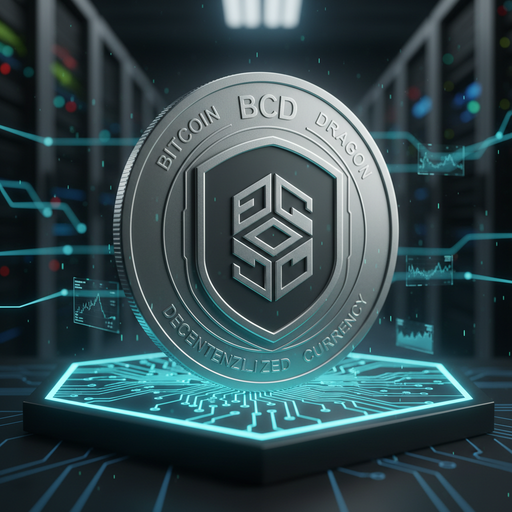



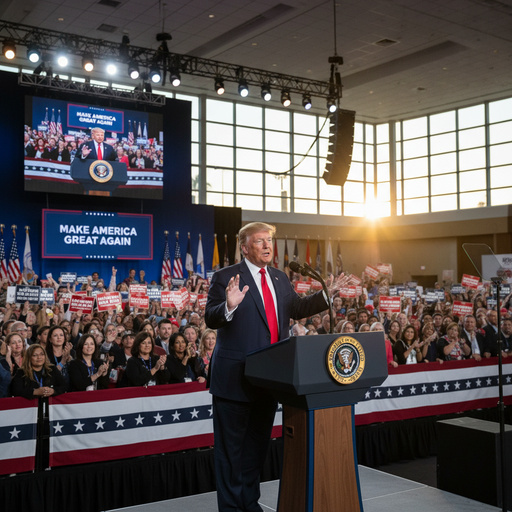
📢 #USHouseAdvancesTokenizedSecurities — A Historic Step for Blockchain in Finance!
The U.S. House of Representatives has taken a groundbreaking step toward the future of finance by advancing legislation to support tokenized securities. This development is not just a win for crypto enthusiasts; it signals a fundamental shift in how traditional financial markets might operate in the digital era. During the recent hearing led by the House Financial Services Committee, lawmakers explored how blockchain technology can safely integrate with existing securities frameworks, ensuring legal compliance, operational efficiency, and investor protection. Tokenized securities represent traditional financial instruments — stocks, bonds, and ETFs — in a digital format on blockchain networks. Ownership, transfers, and compliance rules are automated through smart contracts, drastically reducing settlement times from days to seconds while increasing transparency.
Tokenization allows fractional ownership, making high-value assets like real estate or corporate bonds accessible to smaller investors. With blockchain, markets can become more inclusive, liquid, and efficient. Traditional intermediaries such as brokers and clearinghouses may see a significant transformation, as blockchain-enabled settlement processes streamline operations. Congress’s hearings acknowledged these opportunities while emphasizing the importance of regulatory oversight to prevent misuse or fraud. Bipartisan support emerged, reflecting a shared understanding that tokenized securities are inevitable and that the U.S. must lead in establishing clear guidelines.
Lawmakers also raised critical questions about custody, trading platforms, and investor protections. If securities exist as blockchain tokens, how is legal ownership defined? Which platforms are authorized to trade these assets? How can anti-money laundering (AML) and know-your-customer (KYC) requirements be maintained in decentralized systems? These discussions are crucial to ensuring innovation does not outpace regulation. The committee highlighted that strategic regulatory frameworks could unlock the potential of tokenized markets while safeguarding investors.
Global financial institutions are watching closely. Nasdaq has already initiated pilots allowing tokenized stocks to be traded and settled on blockchain networks while remaining compliant with existing rules. NYSE has partnered with blockchain firms like Securitize to explore 24/7 trading of tokenized securities. Such initiatives demonstrate that tokenized securities are moving from concept to implementation, forming the backbone of a new digital trading infrastructure.
Regulatory clarity is key. Earlier in 2026, the SEC issued guidance confirming that tokenized securities fall under federal securities laws, whether recorded on-chain or off-chain. This clarity provides a stable legal environment for innovation while maintaining investor protections. The House hearings reflect a balanced approach, combining enthusiasm for technology with prudent oversight.
Market reactions are mixed but optimistic. Proponents argue tokenization will improve liquidity, transparency, and access to investment opportunities. Critics caution that regulations must be carefully defined to prevent risks associated with digital custody, smart contract vulnerabilities, and fraud. The hearing reinforced the message that the U.S. aims to be a global leader in this space by fostering innovation within a secure regulatory framework.
Ultimately, the advancement of tokenized securities marks more than a “crypto trend” — it represents a structural shift in global capital markets. With the right legal frameworks, tokenized securities could redefine how assets are issued, traded, and held. Faster settlement, enhanced transparency, and broader access could become the standard, while regulatory oversight ensures investor safety. Congress and the SEC now have the opportunity to shape the future of digital finance. The next steps will include rulemaking, pilot programs, and ongoing collaboration with industry leaders, potentially writing a new chapter in the history of financial markets.
This development is a signal to investors, institutions, and innovators worldwide: the U.S. is preparing for a tokenized future where blockchain technology and traditional finance intersect. Whether you are a retail investor, institutional trader, or fintech entrepreneur, understanding these changes is essential. Tokenized securities may soon offer new avenues for participation, investment, and growth, making the financial ecosystem more efficient, transparent, and inclusive than ever before.
💡 Key Takeaways:
Tokenized securities are digital representations of traditional assets on blockchain.
Real-time settlement, programmable compliance, and fractional ownership can reshape markets.
Bipartisan support in the U.S. House signals the inevitability of tokenization.
Regulatory clarity and investor protections remain a top priority.
Nasdaq, NYSE, and other institutions are actively piloting blockchain-based trading platforms.
Tokenization could improve access, transparency, and economic growth globally.
The era of blockchain-enabled financial markets is approaching fast, and the U.S. House’s decision to advance tokenized securities legislation marks a significant step forward. This is more than an innovation in technology it is the future of how markets will operate, how investors will participate, and how assets will flow in a truly digital economy.