
















 :
:
 :
:
#CreatorLeaderboard
🚨 How to Trade BTC Effectively in This Oversold Correction Phase 🚨
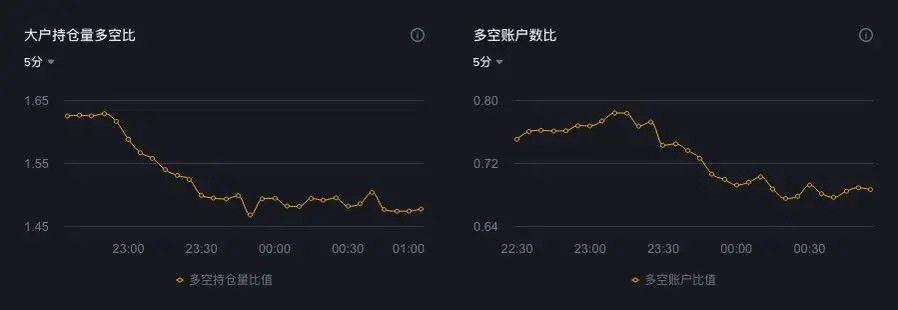
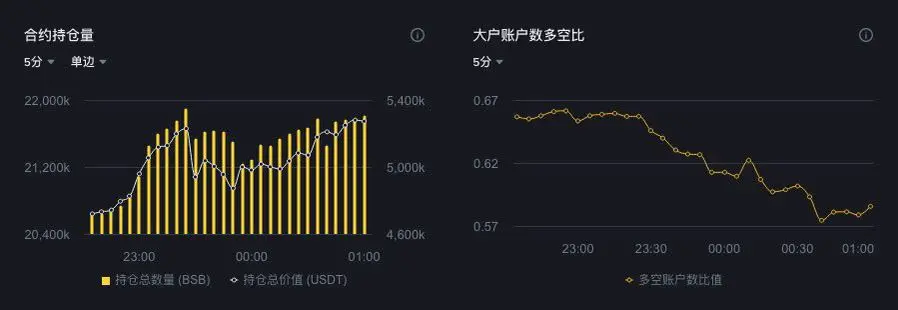
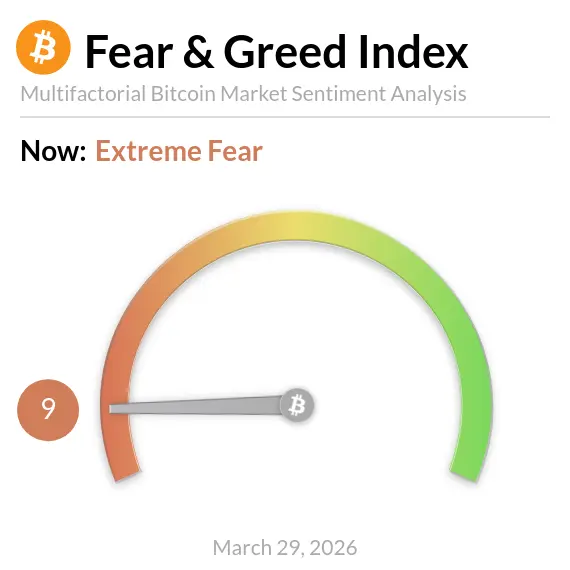
The cryptocurrency market has clearly entered a pronounced oversold correction phase, driven by persistent and heavy bearish pressure. In recent sessions, we have witnessed sharp sell-offs fueled by a combination of macroeconomic uncertainties, important interest rate decisions, ongoing geopolitical tensions affecting oil prices, and the decisive breakdown of several long-term technical trendlines — most notably the widely watched 200-day moving average. These factors have collectively pushed investor sentiment into deeply pessimistic territory, with fear dominating the market mood.
However, experienced traders know that periods of extreme pessimism and oversold conditions on technical indicators often create the foundation for potential short-term stabilization or mean-reversion opportunities. At the moment, momentum oscillators such as the RSI are flashing clear oversold signals across many assets, including Bitcoin. While sellers continue to maintain control in the near term and downside momentum remains visible, the speed and magnitude of the recent decline suggest that the market may have overreacted. This setup frequently leads to temporary exhaustion of selling pressure, opening the door for tactical trading opportunities if approached with the right strategy.
So, how can traders effectively navigate and trade BTC during this challenging oversold correction phase? The answer lies in shifting focus from aggressive directional bets to a more disciplined, level-based, and risk-controlled approach. Rather than trying to perfectly time the bottom or predict an immediate reversal, the most effective method is to treat the current market as a high-volatility oscillating environment and trade the clearly defined ranges with patience and precision.
The core principle is straightforward: identify strong defense zones (support levels) where buying interest is likely to emerge to absorb selling pressure, and attack zones (resistance levels) where sellers are expected to defend aggressively. In the current market, BTC is hovering near critical short-term levels. Traders can look for high-probability long setups near support with well-defined stop-losses placed slightly below these levels to protect against further breakdown. On the other side, resistance levels serve as natural profit-taking or short-covering zones. This range-based mindset helps traders capture repeated swings while minimizing exposure to the broader bearish trend.
To enhance the effectiveness of this strategy, it is essential to combine technical tools wisely. Oscillators like RSI can help confirm oversold conditions and potential bounce setups within the range. Volume analysis plays a crucial role — increasing volume on bounces near support indicates genuine absorption, while declining volume on rallies may signal weak conviction. Candlestick patterns, such as hammers, engulfing candles, or doji formations at key levels, can provide additional confirmation for entries and exits. Throughout this process, strict risk management remains non-negotiable. Maintaining lighter position sizes, using clearly defined stop-loss orders, and avoiding over-leveraging are vital practices to survive the frequent fakeouts and sudden whipsaws that commonly occur in oversold corrective phases.
Furthermore, traders must stay mentally disciplined. Emotional trading — whether chasing rapid moves or holding losing positions in hope of a quick recovery — is one of the biggest risks in this environment. A successful approach involves accepting that the broader trend may still be bearish and focusing instead on tactical, short-term opportunities within the established ranges. This method not only helps preserve capital but also positions traders to benefit when the market eventually finds balance or begins a corrective rebound.
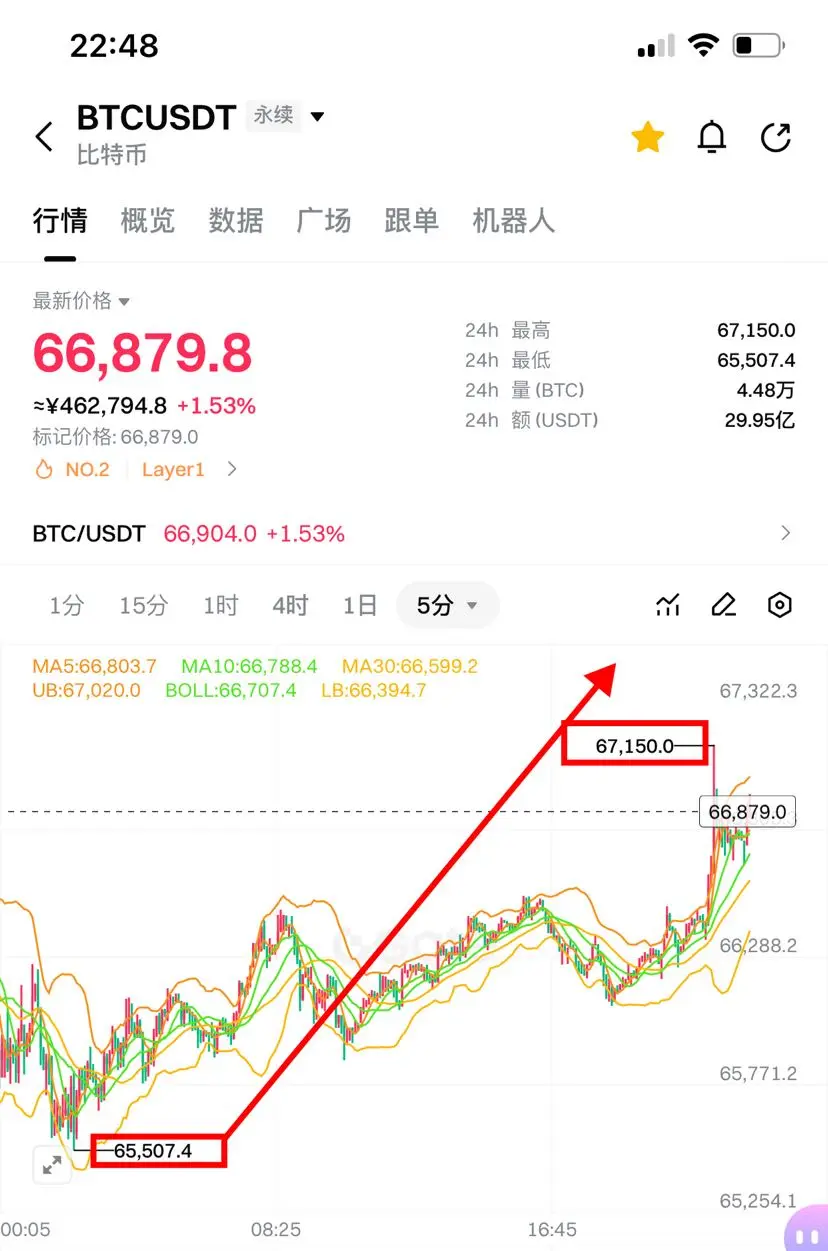
Key Levels to Watch for BTC Right Now:
Support: 66,200
Resistance: 67,800
My Prediction on BTC in 2026:
Looking further into 2026, Bitcoin is expected to remain highly volatile but show an overall upward bias from the current levels near $66,000–$67,000. In the short-to-medium term, the existing oversold conditions raise the possibility of a relief bounce or extended consolidation phase, particularly if the important support at 66,200 holds with decent volume. However, should bearish pressure intensify and lead to a clean breakdown below this level, BTC could extend the correction toward the $55,000–$60,000 zone before attracting stronger accumulation from buyers.
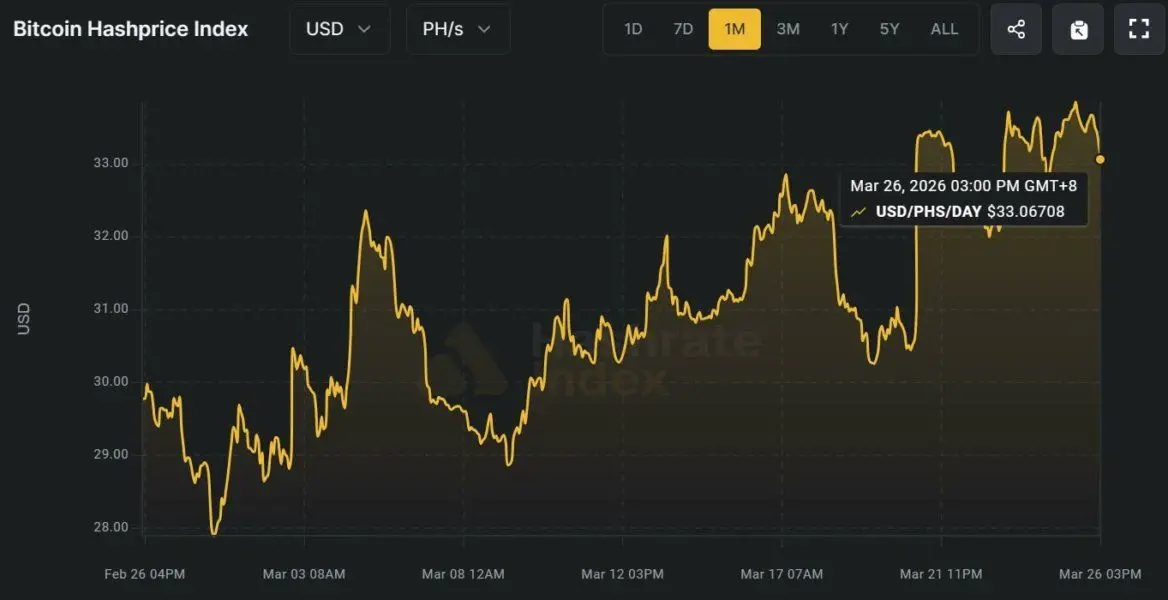
For the entire year of 2026, my base case scenario anticipates Bitcoin trading within a wide range between $75,000 and $150,000. A realistic and achievable target by the end of the year lies around $110,000–$130,000. This projection is supported by factors such as continued institutional adoption, potential inflows into Bitcoin ETFs, the lingering effects of the halving cycle, and any gradual improvement in broader macroeconomic conditions. In more optimistic scenarios with strong bullish catalysts, BTC could even challenge the $150,000 level. On the other hand, if macro headwinds persist for longer than expected, prices might consolidate closer to the $80,000–$100,000 area. Overall, 2026 is more likely to be a grinding, range-heavy year that rewards patient and disciplined traders rather than delivering a fast, parabolic rally.
This current oversold correction phase does not automatically signal the end of the bearish trend. Instead, it represents a critical tactical window where traders who adopt a structured and level-focused approach can manage risk effectively and potentially generate consistent results. Success in this environment ultimately comes down to patience, discipline, objective analysis of price action at key levels, and unwavering commitment to proper risk management.
What is your personal strategy for trading BTC during this oversold correction? Which levels are you closely watching, and how do you plan to manage risk in the coming days? Feel free to share your thoughts, setups, or even your own 2026 BTC prediction in the comments below 👇 I look forward to reading your insights and discussing different approaches together.
Participating in Gate Square Creator Leaderboard Challenge – Original in-depth trading analysis.
🚨 How to Trade BTC Effectively in This Oversold Correction Phase 🚨
The cryptocurrency market has clearly entered a pronounced oversold correction phase, driven by persistent and heavy bearish pressure. In recent sessions, we have witnessed sharp sell-offs fueled by a combination of macroeconomic uncertainties, important interest rate decisions, ongoing geopolitical tensions affecting oil prices, and the decisive breakdown of several long-term technical trendlines — most notably the widely watched 200-day moving average. These factors have collectively pushed investor sentiment into deeply pessimistic territory, with fear dominating the market mood.
However, experienced traders know that periods of extreme pessimism and oversold conditions on technical indicators often create the foundation for potential short-term stabilization or mean-reversion opportunities. At the moment, momentum oscillators such as the RSI are flashing clear oversold signals across many assets, including Bitcoin. While sellers continue to maintain control in the near term and downside momentum remains visible, the speed and magnitude of the recent decline suggest that the market may have overreacted. This setup frequently leads to temporary exhaustion of selling pressure, opening the door for tactical trading opportunities if approached with the right strategy.
So, how can traders effectively navigate and trade BTC during this challenging oversold correction phase? The answer lies in shifting focus from aggressive directional bets to a more disciplined, level-based, and risk-controlled approach. Rather than trying to perfectly time the bottom or predict an immediate reversal, the most effective method is to treat the current market as a high-volatility oscillating environment and trade the clearly defined ranges with patience and precision.
The core principle is straightforward: identify strong defense zones (support levels) where buying interest is likely to emerge to absorb selling pressure, and attack zones (resistance levels) where sellers are expected to defend aggressively. In the current market, BTC is hovering near critical short-term levels. Traders can look for high-probability long setups near support with well-defined stop-losses placed slightly below these levels to protect against further breakdown. On the other side, resistance levels serve as natural profit-taking or short-covering zones. This range-based mindset helps traders capture repeated swings while minimizing exposure to the broader bearish trend.
To enhance the effectiveness of this strategy, it is essential to combine technical tools wisely. Oscillators like RSI can help confirm oversold conditions and potential bounce setups within the range. Volume analysis plays a crucial role — increasing volume on bounces near support indicates genuine absorption, while declining volume on rallies may signal weak conviction. Candlestick patterns, such as hammers, engulfing candles, or doji formations at key levels, can provide additional confirmation for entries and exits. Throughout this process, strict risk management remains non-negotiable. Maintaining lighter position sizes, using clearly defined stop-loss orders, and avoiding over-leveraging are vital practices to survive the frequent fakeouts and sudden whipsaws that commonly occur in oversold corrective phases.
Furthermore, traders must stay mentally disciplined. Emotional trading — whether chasing rapid moves or holding losing positions in hope of a quick recovery — is one of the biggest risks in this environment. A successful approach involves accepting that the broader trend may still be bearish and focusing instead on tactical, short-term opportunities within the established ranges. This method not only helps preserve capital but also positions traders to benefit when the market eventually finds balance or begins a corrective rebound.
Key Levels to Watch for BTC Right Now:
Support: 66,200
Resistance: 67,800
My Prediction on BTC in 2026:
Looking further into 2026, Bitcoin is expected to remain highly volatile but show an overall upward bias from the current levels near $66,000–$67,000. In the short-to-medium term, the existing oversold conditions raise the possibility of a relief bounce or extended consolidation phase, particularly if the important support at 66,200 holds with decent volume. However, should bearish pressure intensify and lead to a clean breakdown below this level, BTC could extend the correction toward the $55,000–$60,000 zone before attracting stronger accumulation from buyers.
For the entire year of 2026, my base case scenario anticipates Bitcoin trading within a wide range between $75,000 and $150,000. A realistic and achievable target by the end of the year lies around $110,000–$130,000. This projection is supported by factors such as continued institutional adoption, potential inflows into Bitcoin ETFs, the lingering effects of the halving cycle, and any gradual improvement in broader macroeconomic conditions. In more optimistic scenarios with strong bullish catalysts, BTC could even challenge the $150,000 level. On the other hand, if macro headwinds persist for longer than expected, prices might consolidate closer to the $80,000–$100,000 area. Overall, 2026 is more likely to be a grinding, range-heavy year that rewards patient and disciplined traders rather than delivering a fast, parabolic rally.
This current oversold correction phase does not automatically signal the end of the bearish trend. Instead, it represents a critical tactical window where traders who adopt a structured and level-focused approach can manage risk effectively and potentially generate consistent results. Success in this environment ultimately comes down to patience, discipline, objective analysis of price action at key levels, and unwavering commitment to proper risk management.
What is your personal strategy for trading BTC during this oversold correction? Which levels are you closely watching, and how do you plan to manage risk in the coming days? Feel free to share your thoughts, setups, or even your own 2026 BTC prediction in the comments below 👇 I look forward to reading your insights and discussing different approaches together.
Participating in Gate Square Creator Leaderboard Challenge – Original in-depth trading analysis.