


Futures
Hundreds of contracts settled in USDT or BTC
TradFi
Gold
One platform for global traditional assets
Options
Hot
Trade European-style vanilla options
Unified Account
Maximize your capital efficiency
Demo Trading
Futures Kickoff
Get prepared for your futures trading
Futures Events
Join events to earn rewards
Demo Trading
Use virtual funds to experience risk-free trading
Launch
CandyDrop
Collect candies to earn airdrops
Launchpool
Quick staking, earn potential new tokens
HODLer Airdrop
Hold GT and get massive airdrops for free
Launchpad
Be early to the next big token project
Alpha Points
Trade on-chain assets and earn airdrops
Futures Points
Earn futures points and claim airdrop rewards


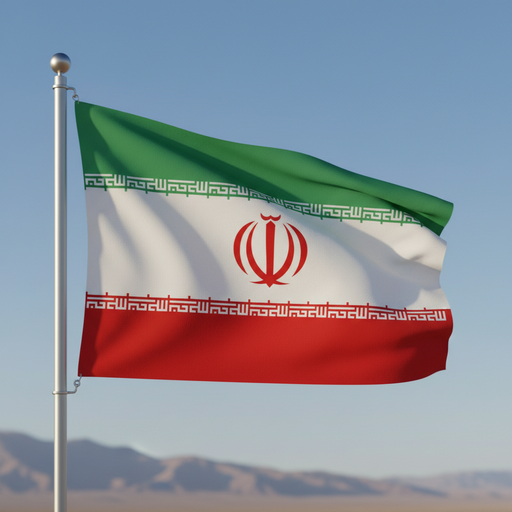



📉 #USIranTensionsImpactMarkets: Understanding the Ripple Effect
Rising geopolitical tensions between the United States and Iran are once again sending shockwaves through global financial markets. Investors and analysts are closely monitoring the situation, as even minor escalations can trigger volatility across commodities, equities, and currencies.
🔹 Oil and Energy Markets
Iran, a major player in global oil supply, often influences crude prices during periods of tension. Historically, any threat to Middle Eastern stability has led to:
⚡ Spike in crude oil prices due to potential supply disruptions
🛢 Increased demand for alternative energy sources and strategic reserves
📊 Market volatility affecting energy stocks and ETFs
🔹 Stock Markets
Equities worldwide react sharply to geopolitical uncertainty:
Investors typically move away from riskier assets, favoring defensive sectors like utilities, healthcare, and gold mining.
Emerging markets, especially in the Middle East, may face capital outflows, weakening local currencies and stock indices.
🔹 Safe-Haven Assets
During geopolitical crises, traditional safe-havens see significant inflows:
🪙 Gold and silver prices surge, as investors seek stability
💵 US Dollar strengthens, often benefiting from its global reserve status
🇯🇵 Japanese Yen also sees appreciation due to its risk-averse appeal
🔹 Supply Chains & Global Trade
Prolonged tensions could disrupt trade routes, particularly through the Strait of Hormuz, which handles nearly 20% of the world’s seaborne oil. This could:
Delay shipments of oil and essential goods
Increase transportation and insurance costs
Impact global manufacturing and commodity prices
🔹 Investor Takeaways
Maintain a diversified portfolio to mitigate risk
Monitor oil futures and energy ETFs for short-term opportunities
Keep an eye on geopolitical news; markets can swing dramatically in hours
💡 Bottom Line: While markets are inherently unpredictable during geopolitical crises, understanding historical trends and sector-specific impacts can help investors navigate turbulence. The US-Iran situation serves as a reminder that global politics and finance are deeply intertwined.
#Investing #Geopolitics #OilPrices