

Trade
Basic
Futures
Futures
Hundreds of contracts settled in USDT or BTC
Options
HOT
Trade European-style vanilla options
Unified Account
Maximize your capital efficiency
Demo Trading
Futures Kickoff
Get prepared for your futures trading
Futures Events
Participate in events to win generous rewards
Demo Trading
Use virtual funds to experience risk-free trading
Earn
Launch
CandyDrop
Collect candies to earn airdrops
Launchpool
Quick staking, earn potential new tokens
HODLer Airdrop
Hold GT and get massive airdrops for free
Launchpad
Be early to the next big token project
Alpha Points
NEW
Trade on-chain assets and enjoy airdrop rewards!
Futures Points
NEW
Earn futures points and claim airdrop rewards
Investment
Simple Earn
Earn interests with idle tokens
Auto-Invest
Auto-invest on a regular basis
Dual Investment
Buy low and sell high to take profits from price fluctuations
Soft Staking
Earn rewards with flexible staking
Crypto Loan
0 Fees
Pledge one crypto to borrow another
Lending Center
One-stop lending hub
VIP Wealth Hub
Customized wealth management empowers your assets growth
Private Wealth Management
Customized asset management to grow your digital assets
Quant Fund
Top asset management team helps you profit without hassle
Staking
Stake cryptos to earn in PoS products
Smart Leverage
NEW
No forced liquidation before maturity, worry-free leveraged gains
GUSD Minting
Use USDT/USDC to mint GUSD for treasury-level yields

More




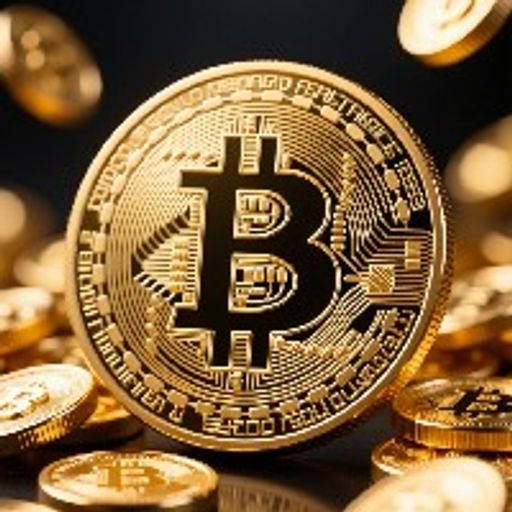


Having been in the crypto world for over six years, watching the market cycle over and over again, I suddenly want to say something.
Many newcomers come in and get obsessed with all kinds of indicators and terminology, thinking that complex strategies will make them rich. In fact, if you step back and look at Bitcoin's performance over the past decade, you'll see a harsh truth—making money has never relied on technical analysis, but on mental resilience.
BTC's candlestick chart is like a mirror, reflecting only human nature.
In 2017, when Bitcoin broke through $20,000, the market was shouting "This time is different." Actually, it’s not that the bubble was invisible, but that people were afraid of being left behind by the times. The fear of missing out made people jump off the top, and then came a long winter.
By 2018-2019, the price dropped to three or four thousand, and the industry started calling this thing a Ponzi scheme. From a valuation perspective, that was the bottom, but most people were already scared by the previous crash. They didn’t lack understanding of valuation; they just didn’t want to go through the pain again.
History repeats itself this way. During the frenzy of 2020-2021, numbers jumping to 60K, 70K, even veterans who had experienced the previous cycle couldn’t escape the claws of FOMO. When paper wealth was growing wildly, even the most rational could lose control, and only after the correction did they realize they had fallen into the same trap again.
From the crash in 2022 to the recovery in 2024, the market isn’t really anything new. What’s new is that each time, a new batch of people, carrying the same greed and fear, step into the same river.
Chasing highs is greed, cutting positions is fear, stubbornly holding on is reluctance, taking profits is arrogance—the market is like a magnifying glass, amplifying your weaknesses without any place to hide.
In the end, those who survive this bloody battlefield are not the smartest, but the most psychologically stable long-term thinkers.