

Trade
Basic
Futures
Futures
Hundreds of contracts settled in USDT or BTC
Options
HOT
Trade European-style vanilla options
Unified Account
Maximize your capital efficiency
Demo Trading
Futures Kickoff
Get prepared for your futures trading
Futures Events
Participate in events to win generous rewards
Demo Trading
Use virtual funds to experience risk-free trading
Earn
Launch
CandyDrop
Collect candies to earn airdrops
Launchpool
Quick staking, earn potential new tokens
HODLer Airdrop
Hold GT and get massive airdrops for free
Launchpad
Be early to the next big token project
Alpha Points
NEW
Trade on-chain assets and enjoy airdrop rewards!
Futures Points
NEW
Earn futures points and claim airdrop rewards
Investment
Simple Earn
Earn interests with idle tokens
Auto-Invest
Auto-invest on a regular basis
Dual Investment
Buy low and sell high to take profits from price fluctuations
Soft Staking
Earn rewards with flexible staking
Crypto Loan
0 Fees
Pledge one crypto to borrow another
Lending Center
One-stop lending hub
VIP Wealth Hub
Customized wealth management empowers your assets growth
Private Wealth Management
Customized asset management to grow your digital assets
Quant Fund
Top asset management team helps you profit without hassle
Staking
Stake cryptos to earn in PoS products
Smart Leverage
NEW
No forced liquidation before maturity, worry-free leveraged gains
GUSD Minting
Use USDT/USDC to mint GUSD for treasury-level yields

More





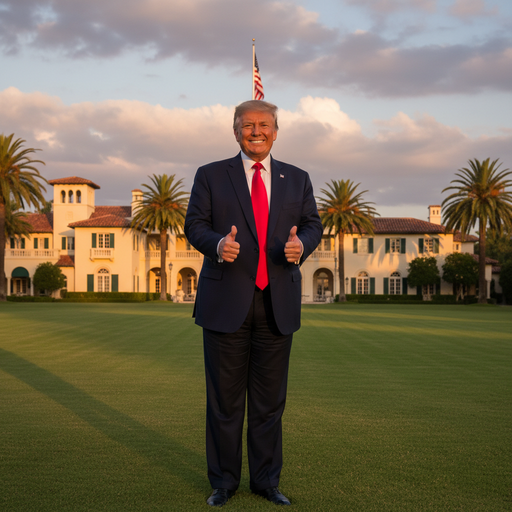

This dialogue in Hong Kong is not just about numbers; at a deeper level, it’s a collision of two sets of financial logic.
On one side is the old-school approach of the industrial era—focusing on cash flow, assets, and long-term operations. This system has persisted from corporate financing to capital markets, remaining stable but conservative. On the other side are new players from the internet and blockchain era, who emphasize network effects, protocol value, and open collaboration. These two logics are not about right or wrong; they are simply products of their respective times.
The interesting part is that when traditional authorities are still hesitating and the market is still observing, it actually presents the biggest opportunity for strategic positioning. The moment Bitcoin is dismissed by traditional investors coincides with its valuation being most flexible. True excess returns often come from understanding things that most people have not yet grasped, rather than following the herd to chase high prices.
Traditional value investing focuses on corporate profitability and safety margins. Crypto assets are different—they derive their value from network size, user engagement, and consensus strength. A network like Bitcoin is fundamentally an open protocol with governance and usage rights, and its growth logic is entirely different. The larger the network and the more users it has, the stronger the overall ecosystem’s value. This is not a negation of corporate investment principles; it’s simply a new form of market evolution.