

Trade
Trading Type
Spot
Trade crypto freely
Pre-Market
Trade new tokens before they are officially listed
Margin
Magnify your profit with leverage
Convert & Block Trading
0 Fees
Trade any size with no fees and no slippage
Alpha
Points
Get promising tokens in streamlined on-chain trading
Leveraged Tokens
Get exposure to leveraged positions simply
Futures
Futures
Hundreds of contracts settled in USDT or BTC
Options
HOT
Trade European-style vanilla options
Unified Account
Maximize your capital efficiency
Demo Trading
Futures Kickoff
Get prepared for your futures trading
Futures Events
Participate in events to win generous rewards
Demo Trading
Use virtual funds to experience risk-free trading
Earn
Launch
CandyDrop
Collect candies to earn airdrops
Launchpool
Quick staking, earn potential new tokens
HODLer Airdrop
Hold GT and get massive airdrops for free
Launchpad
Be early to the next big token project
Alpha Points
NEW
Trade on-chain assets and enjoy airdrop rewards!
Futures Points
NEW
Earn futures points and claim airdrop rewards
Investment
Simple Earn
Earn interests with idle tokens
Auto-Invest
Auto-invest on a regular basis
Dual Investment
Buy low and sell high to take profits from price fluctuations
Soft Staking
Earn rewards with flexible staking
Crypto Loan
0 Fees
Pledge one crypto to borrow another
Lending Center
One-stop lending hub
VIP Wealth Hub
Customized wealth management empowers your assets growth
Private Wealth Management
Customized asset management to grow your digital assets
Quant Fund
Top asset management team helps you profit without hassle
Staking
Stake cryptos to earn in PoS products
BTC Staking
HOT
Stake BTC and earn 10% APR
GUSD Minting
Use USDT/USDC to mint GUSD for treasury-level yields


More




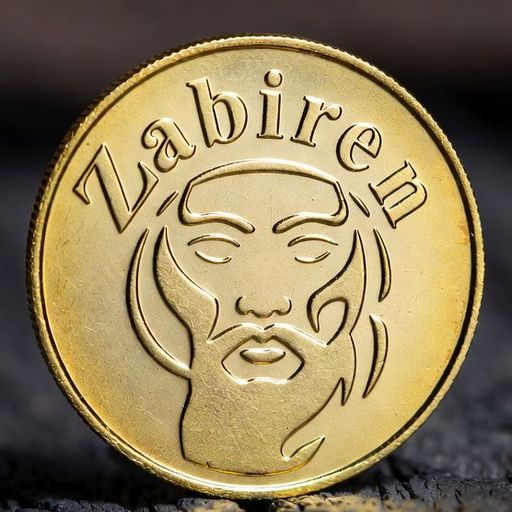

Although I don't have much money, I have really studied the issue of authenticity of collectibles.
In essence, they are all the same. If a collectible has been auctioned at a major auction house, such as Christie's or Sotheby's, it means it has received institutional endorsement. If it has been borrowed for exhibition by a well-known collector or art museum, its identity is fixed. Even if it is fake, it is considered genuine.
When this item is traded again, everyone only looks at "the transaction record in the top-tier market" rather than "carbon-14 testing reports" or similar.
It's like there are many so-called Da Vinci paintings on the market today, which are actually highly controversial. Many collectibles are accompanied by auction records or the signature of the appraiser.
Even the Mona Lisa in the Louvre was stolen and missing for two years, and it might not even be the original anymore.
As for why I study strange and weird things, I have to mention the money-losing NFTs.
The picture below is from Lao Gao and Xiao Mo.