






The airstrike on the B1 Bridge (Tehran-Karaj connecting road) in Karaj, Alborz province, Iran, marks a new and symbolic phase in regional tensions. According to data jointly confirmed by international media and Iranian state sources (IRNA, Fars News Agency, Press TV), two waves of attacks, described as a joint US-Israeli operation, severely damaged this engineering marvel, described as the highest bridge in the Middle East, and resulted in civilian casualties. The incident demonstrates that the five-week-long US-Israel-Iran conflict has shifted to infrastructure targets and has the potential to reshape geopolitical balances. B1 Bridge: Technical Specifications and Strategic Value
The B1 Bridge is considered one of the most important modern infrastructure projects in Iran. Approximately 1,050 meters long, with its highest pylon reaching 136 meters (some technical reports state the longest span as 176 meters), this structure was built with an investment of $400 million. The project, realized with Iranian engineering's indigenous technology, is described as "one of the most complex engineering achievements in West Asia." The bridge is a critical artery connecting Tehran to the city of Karaj in the west and to the Caspian Sea coast via the Chalus Highway in the north. It facilitates civilian transportation and is of strategic importance in terms of logistics and potential military supply lines. At the time of the attack, the bridge was either in preparation for its final opening or in the final stages of construction; some sources state "newly completed/recently opened," while others say "still under construction." This ambiguity increases both the symbolic and operational value of the project. Chronology and Technical Details of the Attack
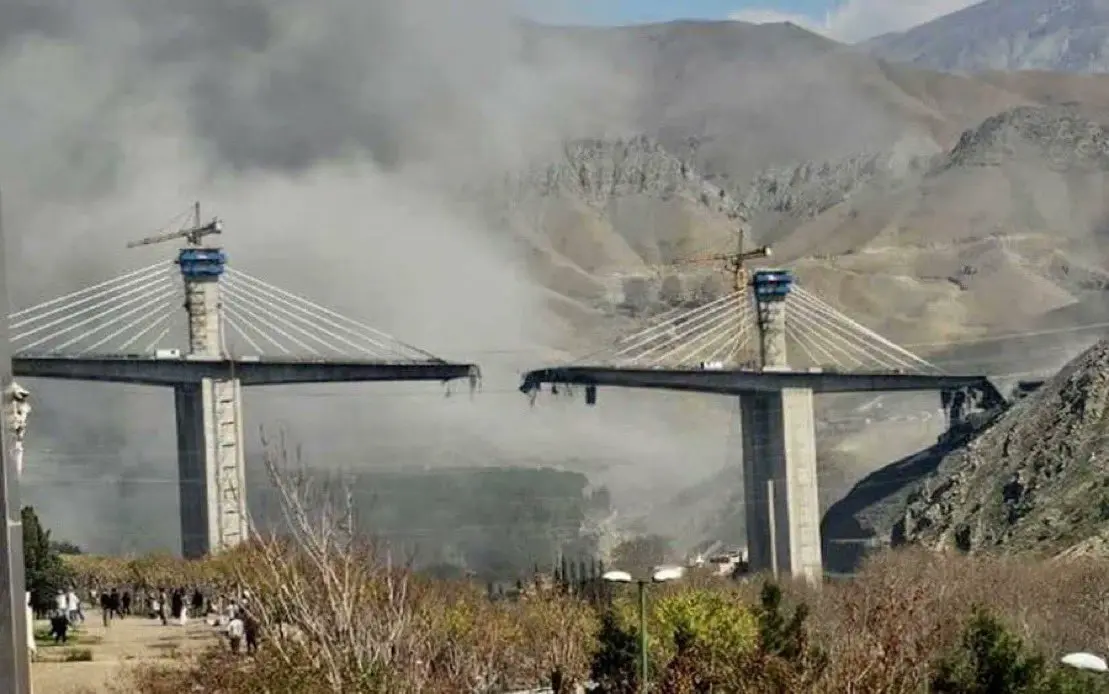
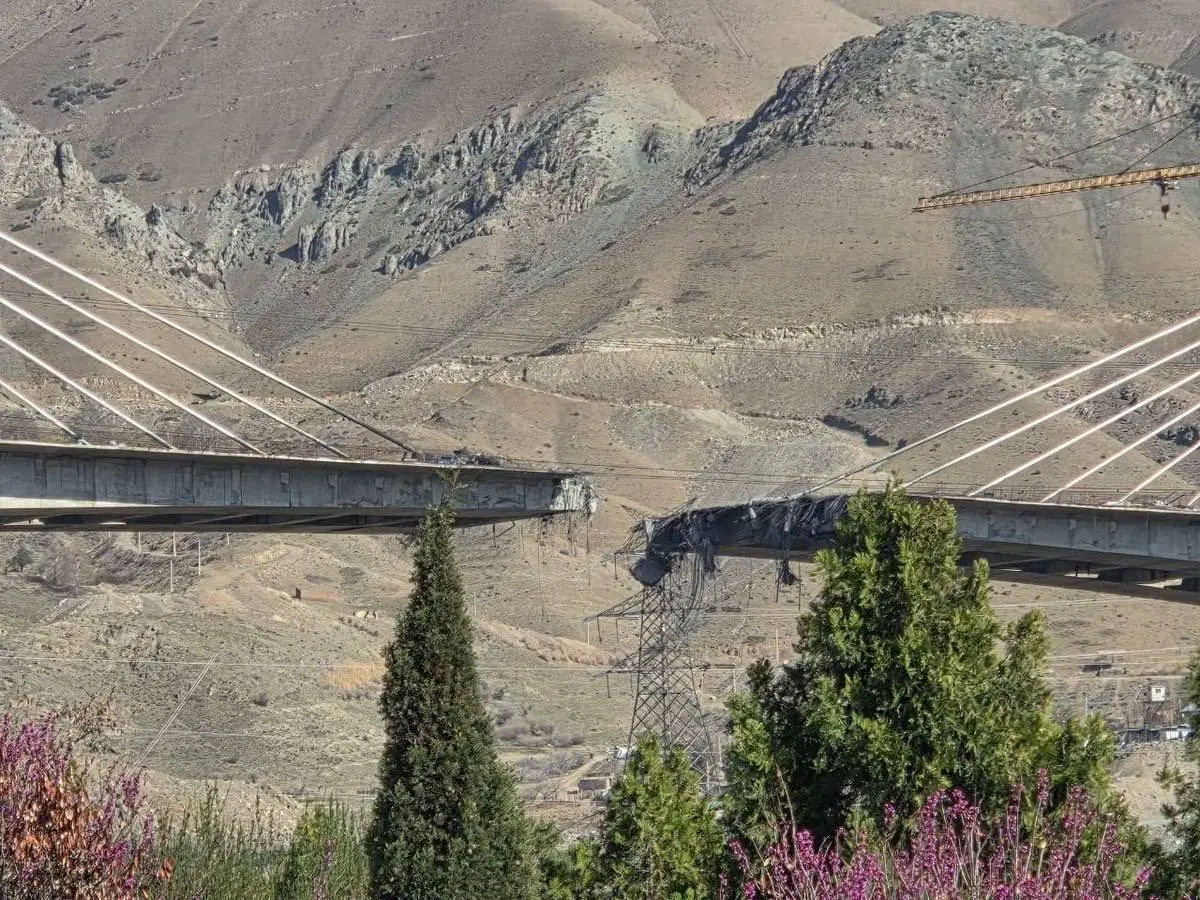
According to Iranian state television and local authorities, the attack was carried out in two separate waves on Thursday, April 2, 2026. The first strike targeted the middle section of the bridge; the second wave, which came about an hour later, occurred while rescue teams were intervening. Videos and photos shared by eyewitnesses show the middle section of the bridge dramatically collapsing, with black smoke clouds rising. The US confirmed the operation and implied that the bridge was struck to “cut off military supply lines.” Iran, however, described the attack as a “terrorist act” by the “American-Zionist enemy” against civilian infrastructure.
Human Casualties and Human Dimension
According to Alborz Province Deputy Governor Ghodratollah Seif, 8 civilians lost their lives and 95 were injured in the incident. The victims included residents of Bilghan village, passersby, and families picnicking on the last day of Nowruz, the celebration of “Nature Day” in Iran. This data has been consistently reported by Iranian state media and accepted by international organizations. The high human cost of the attack, which occurred near civilian areas, has sparked controversy. Official Reactions from the Parties
- US President Donald Trump shared a video of the incident on Truth Social, stating, “Iran’s biggest bridge has collapsed, it will be unusable again — Many more to come!” Trump linked the attack to a call for a “peace agreement,” warning, “Make a deal, or nothing will be left.” This statement is a concrete reflection of his previous threat to “send Iran back to the Stone Age.” - Iran escalated its threat of retaliation, announcing that it had added eight key bridges in the Gulf states and Jordan to its “target list.” President Masoud Pezeshkian emphasized a “strong defense against aggressors.” - International reaction is divided; while Western media framed the event as a “strategic operation,” some critics have questioned whether targeting civilian infrastructure constitutes a “war crime.”
Geopolitical Context and Potential Impacts
This event is part of the escalating US-Israel-Iran tensions that have been building since the beginning of 2026. During the five-week conflict, Iran's nuclear facilities, missile bases, and now its symbolic infrastructure have been targeted. The destruction of Bridge B1 damages not only the transportation network but also Iran's national pride and regime legitimacy. In the short term, traffic congestion and increased logistical costs are expected between Karaj and Tehran. In the long term, the risk of Iran's retaliatory capabilities (Gulf bridges, Strait of Hormuz) and the activation of regional alliances (Houthis, Hezbollah) increases.
In conclusion, the attack on Bridge B1, which was reflected in the world public opinion under the hashtag #IranLandmarkBridgeBombed, is a striking example of how infrastructure becomes a "soft target" in modern conflicts. The event highlights a delicate balance between military-strategic success and humanitarian and diplomatic costs. Developments should be closely monitored in terms of international law, civilian protection, and regional stability. Current data indicates that as of April 3, 2026, Iran is continuing its damage assessment and preparations for retaliation.
Friends 🙋 #IranLandmarkBridgeBombed
👉*This analysis is based on the most up-to-date news and data compiled from official sources. As developments can change rapidly, official statements should be followed.*
The B1 Bridge is considered one of the most important modern infrastructure projects in Iran. Approximately 1,050 meters long, with its highest pylon reaching 136 meters (some technical reports state the longest span as 176 meters), this structure was built with an investment of $400 million. The project, realized with Iranian engineering's indigenous technology, is described as "one of the most complex engineering achievements in West Asia." The bridge is a critical artery connecting Tehran to the city of Karaj in the west and to the Caspian Sea coast via the Chalus Highway in the north. It facilitates civilian transportation and is of strategic importance in terms of logistics and potential military supply lines. At the time of the attack, the bridge was either in preparation for its final opening or in the final stages of construction; some sources state "newly completed/recently opened," while others say "still under construction." This ambiguity increases both the symbolic and operational value of the project. Chronology and Technical Details of the Attack
According to Iranian state television and local authorities, the attack was carried out in two separate waves on Thursday, April 2, 2026. The first strike targeted the middle section of the bridge; the second wave, which came about an hour later, occurred while rescue teams were intervening. Videos and photos shared by eyewitnesses show the middle section of the bridge dramatically collapsing, with black smoke clouds rising. The US confirmed the operation and implied that the bridge was struck to “cut off military supply lines.” Iran, however, described the attack as a “terrorist act” by the “American-Zionist enemy” against civilian infrastructure.
Human Casualties and Human Dimension
According to Alborz Province Deputy Governor Ghodratollah Seif, 8 civilians lost their lives and 95 were injured in the incident. The victims included residents of Bilghan village, passersby, and families picnicking on the last day of Nowruz, the celebration of “Nature Day” in Iran. This data has been consistently reported by Iranian state media and accepted by international organizations. The high human cost of the attack, which occurred near civilian areas, has sparked controversy. Official Reactions from the Parties
- US President Donald Trump shared a video of the incident on Truth Social, stating, “Iran’s biggest bridge has collapsed, it will be unusable again — Many more to come!” Trump linked the attack to a call for a “peace agreement,” warning, “Make a deal, or nothing will be left.” This statement is a concrete reflection of his previous threat to “send Iran back to the Stone Age.” - Iran escalated its threat of retaliation, announcing that it had added eight key bridges in the Gulf states and Jordan to its “target list.” President Masoud Pezeshkian emphasized a “strong defense against aggressors.” - International reaction is divided; while Western media framed the event as a “strategic operation,” some critics have questioned whether targeting civilian infrastructure constitutes a “war crime.”
Geopolitical Context and Potential Impacts
This event is part of the escalating US-Israel-Iran tensions that have been building since the beginning of 2026. During the five-week conflict, Iran's nuclear facilities, missile bases, and now its symbolic infrastructure have been targeted. The destruction of Bridge B1 damages not only the transportation network but also Iran's national pride and regime legitimacy. In the short term, traffic congestion and increased logistical costs are expected between Karaj and Tehran. In the long term, the risk of Iran's retaliatory capabilities (Gulf bridges, Strait of Hormuz) and the activation of regional alliances (Houthis, Hezbollah) increases.
In conclusion, the attack on Bridge B1, which was reflected in the world public opinion under the hashtag #IranLandmarkBridgeBombed, is a striking example of how infrastructure becomes a "soft target" in modern conflicts. The event highlights a delicate balance between military-strategic success and humanitarian and diplomatic costs. Developments should be closely monitored in terms of international law, civilian protection, and regional stability. Current data indicates that as of April 3, 2026, Iran is continuing its damage assessment and preparations for retaliation.
Friends 🙋 #IranLandmarkBridgeBombed
👉*This analysis is based on the most up-to-date news and data compiled from official sources. As developments can change rapidly, official statements should be followed.*