


Futures
Access hundreds of perpetual contracts
TradFi
Gold
One platform for global traditional assets
Options
Hot
Trade European-style vanilla options
Unified Account
Maximize your capital efficiency
Demo Trading
Introduction to Futures Trading
Learn the basics of futures trading
Futures Events
Join events to earn rewards
Demo Trading
Use virtual funds to practice risk-free trading
Launch
CandyDrop
Collect candies to earn airdrops
Launchpool
Quick staking, earn potential new tokens
HODLer Airdrop
Hold GT and get massive airdrops for free
Launchpad
Be early to the next big token project
Alpha Points
Trade on-chain assets and earn airdrops
Futures Points
Earn futures points and claim airdrop rewards


More




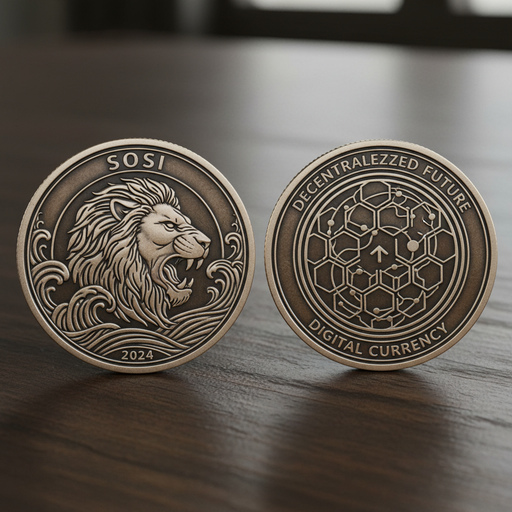
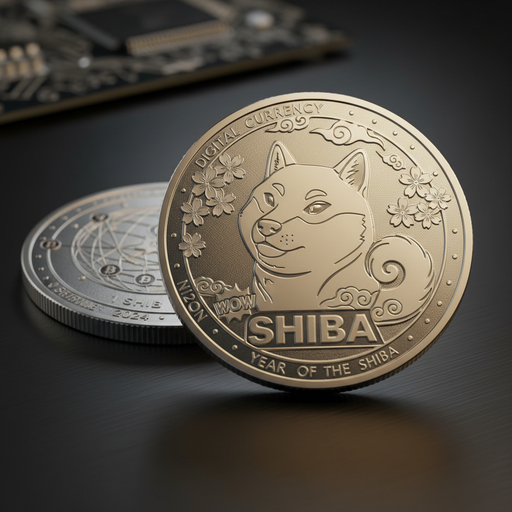
#PI The past, present, and future direction of alts
In the field of digital currency, alts have attracted much attention since their inception. In 2011, two years after the birth of Bitcoin, the first true altcoin, Litecoin, emerged. Its founder Charlie Lee opened the door to alts by modifying the Bitcoin code, shortening block generation time, and changing the algorithm. Since then, various alts have sprung up like mushrooms after rain, most of which imitate Bitcoin or Ethereum, developed by small teams or individuals, created with similar technologies and algorithms, and their names are often deformations or imitations of mainstream coins, with values far lower than those of mainstream coins.
Early altcoins were primarily simple imitations of mainstream coins, such as modifying Bitcoin's block confirmation time, total supply, and other parameters to create new coins for fundraising. However, as the industry developed, some altcoins began to innovate technically. Ethereum, for example, leveraged smart contracts to transition from mere copying to diverse functionalities, leading the trend in altcoin development and inspiring more altcoins to explore innovation in consensus mechanisms, transaction speed, and privacy protection. In terms of market performance, altcoin prices are highly volatile, having created wealth myths; for instance, Dogecoin saw its price skyrocket due to Musk's promotion, but also plummeted due to a lack of technical support, causing many investors to suffer losses.
However, altcoins are now facing an unprecedented crisis. The U.S. Digital Currency Working Group and the SEC are intensifying their regulatory efforts, raising compliance requirements for altcoins, and many non-compliant projects are being rectified. The malicious harvesting behavior of some project teams has severely damaged market confidence, as some project teams obtained a large number of tokens through pre-mining and other means early in the project, and then sold off to cash out, causing coin prices to plummet and investors to suffer significant losses.
Looking to the future, the direction of alts is full of uncertainty. On one hand, if altcoin projects can actively comply with regulatory requirements and strengthen technology innovation.