
Futures
Access hundreds of perpetual contracts
TradFi
Gold
One platform for global traditional assets
Options
Hot
Trade European-style vanilla options
Unified Account
Maximize your capital efficiency
Demo Trading
Introduction to Futures Trading
Learn the basics of futures trading
Futures Events
Join events to earn rewards
Demo Trading
Use virtual funds to practice risk-free trading
Launch
CandyDrop
Collect candies to earn airdrops
Launchpool
Quick staking, earn potential new tokens
HODLer Airdrop
Hold GT and get massive airdrops for free
Pre-IPOs
Unlock full access to global stock IPOs
Alpha Points
Trade on-chain assets and earn airdrops
Futures Points
Earn futures points and claim airdrop rewards


More


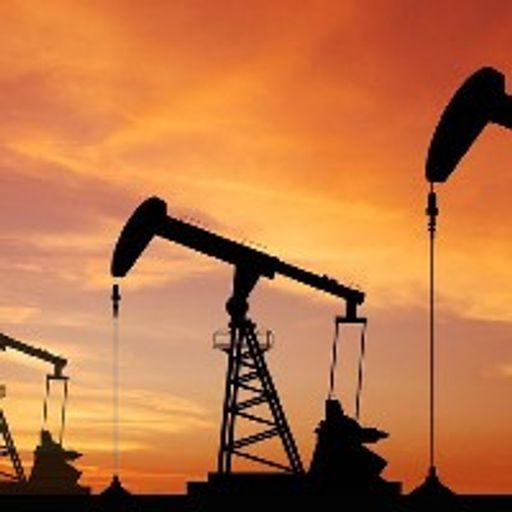


#OilEdgesHigher
Markets React as Energy Prices Climb
Oil prices are once again ticking upward, signaling renewed tension between supply dynamics and global demand expectations. While the increase may seem gradual, its ripple effects across economies, industries, and financial markets are anything but small.
What’s driving the move?
A combination of factors is pushing oil higher:
• Ongoing supply constraints from key producers
• Strategic output decisions by major exporting nations
• Geopolitical uncertainty impacting supply routes
• Seasonal demand recovery in key economies
Even slight upward movements in oil prices can reshape inflation expectations, influence central bank decisions, and impact everything from transportation costs to consumer goods.
Why it matters:
• Higher oil = increased production and logistics costs
• Inflation pressures may persist longer than expected
• Energy stocks and commodities could see renewed interest
• Emerging markets may feel stronger economic strain
For investors, this creates a complex landscape. Rising oil prices can benefit energy sectors while simultaneously pressuring broader equities and consumer spending.
In a globally interconnected economy, oil remains one of the most powerful indicators of economic momentum and geopolitical stability. Every price movement tells a deeper story — not just about energy, but about the direction of the world economy itself.
The key question now: Is this a short-term spike… or the beginning of a sustained upward trend?
Stay sharp — because when oil moves, everything moves with it.