
Futures
Access hundreds of perpetual contracts
TradFi
Gold
One platform for global traditional assets
Options
Hot
Trade European-style vanilla options
Unified Account
Maximize your capital efficiency
Demo Trading
Introduction to Futures Trading
Learn the basics of futures trading
Futures Events
Join events to earn rewards
Demo Trading
Use virtual funds to practice risk-free trading
Launch
CandyDrop
Collect candies to earn airdrops
Launchpool
Quick staking, earn potential new tokens
HODLer Airdrop
Hold GT and get massive airdrops for free
Pre-IPOs
Unlock full access to global stock IPOs
Alpha Points
Trade on-chain assets and earn airdrops
Futures Points
Earn futures points and claim airdrop rewards


More


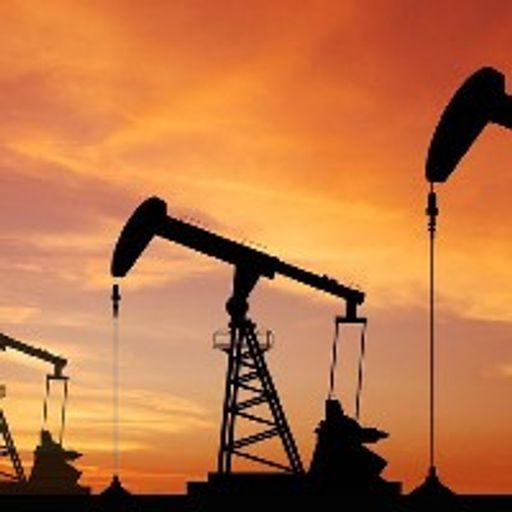


#Gate广场四月发帖挑战 Iran, Crude Oil, and Gold
From February 28 to April 8, after 40 days, the Iran war temporarily came to an end. From the assassination of Khamenei to the blockade of the Strait of Hormuz, and then to U.S.-Iran exchanges of fire, every day has witnessed history.
Looking back at the 40 days of war, Iran revealed the true strength of its missile arsenal, exposing America's weaknesses in the Middle East. Trump and the capital behind him profited immensely through his TACO strategy.
TACO: Trump Always Chickens Out. The translation is "Trump always backs down at the last moment." In simple terms, it refers to a trading strategy of buying high and selling low during the market's short-term volatile reactions triggered by Trump's statements. Its core idea is to bet that the market will experience a V-shaped movement of "panic decline → emotional recovery" caused by Trump's "big mouth."
The war situation changes rapidly, and no one can predict what Trump might do. Today, we won't discuss the war; instead, let's calculate the economic impact of the Iran conflict on the Chinese A-shares, gold, and crude oil. Let's see who paid the price for the U.S. supporting Iran!
First, here are the charts of crude oil, the Chinese A-shares, and gold from January 12 to today.
Crude Oil Price:
From the chart, we can see that crude oil prices have remained relatively stable around $60 until the U.S.-Iran war broke out. Since then, prices surged all the way up, reaching a high of $119, nearly doubling. Even after the U.S.-Iran talks, oil stayed at a high of around $99.
Historically, every Middle East war has pushed oil prices to new highs, and even after the conflict ends, prices rarely fall back. Therefore, in the long term, crude oil prices might stay at this level. (It's a sad story.)
Shanghai Composite Index:
The A-shares market at the start of 2026 continued the prosperity from 2025, rising steadily, even reaching a 10-year high of 4,197 points on March 3. Then, as the Iran war situation worsened, the market sharply declined. On March 23, it dropped 3.6% in a single day, nearly 10% from the peak—an almost stock market crash. Although it gradually recovered afterward, as of today, it still hovers around 4,000 points and hasn't regained the ground lost since January.
Gold Price:
Gold's trend is similar to that of the A-shares. It reached a historical high of 1,256 points on January 29. Since the start of the U.S.-Iran war, gold has been continuously declining, even dropping 11% in a single day on March 23, creating a "gold pit." Only after the situation eased did gold begin to gradually recover.
Some friends might wonder: as a hard currency and a safe-haven asset, shouldn't gold become more expensive as the world becomes more chaotic?
Actually, it's not that simple. In the early stages of war, because oil prices rise, the prices of oil and oil derivatives in various countries also increase, leading to overall commodity inflation. This raises inflation expectations, reduces the likelihood of U.S. interest rate cuts, and strengthens the dollar, causing currency appreciation. Consequently, gold prices tend to fall.
So, as ordinary investors, what lessons can we learn from the oil and gold price fluctuations caused by the Iran war?
1. The world situation changes rapidly. As ordinary investors, we should not blindly believe online news or try to predict the war's direction to chase gains or cut losses. Trump's TACO strategy only serves Wall Street capital giants. Trying to predict stock movements based on war developments is almost like gambling.
2. Gold and crude oil, as commodities, are influenced by war, monetary policy, dollar inflation expectations, and other factors. For ordinary people, it's very difficult to understand the underlying logic of their price movements. Therefore, unless there's a strong need, it's not recommended to invest in gold and oil.
3. As always, a qualified investor should not be blinded by short-term rises and falls. Instead, they should look at the long-term, judge economic cycles, analyze industry trends, and aim for precise investments.坚持 long-termism, earn annualized investment returns, and only by laughing last can you laugh best.