


Futures
Access hundreds of perpetual contracts
TradFi
Gold
One platform for global traditional assets
Options
Hot
Trade European-style vanilla options
Unified Account
Maximize your capital efficiency
Demo Trading
Introduction to Futures Trading
Learn the basics of futures trading
Futures Events
Join events to earn rewards
Demo Trading
Use virtual funds to practice risk-free trading
Launch
CandyDrop
Collect candies to earn airdrops
Launchpool
Quick staking, earn potential new tokens
HODLer Airdrop
Hold GT and get massive airdrops for free
Launchpad
Be early to the next big token project
Alpha Points
Trade on-chain assets and earn airdrops
Futures Points
Earn futures points and claim airdrop rewards


More

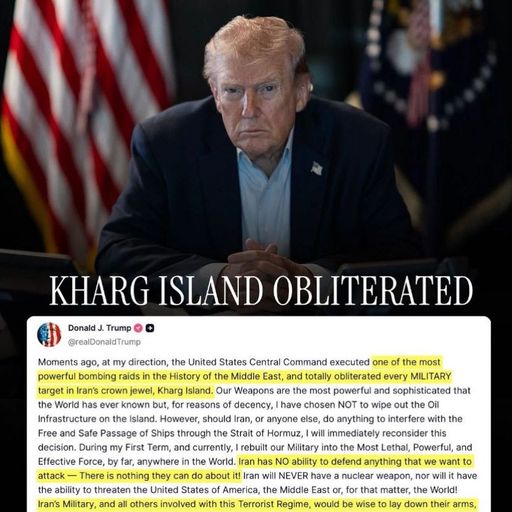




Latest News on the Strait of Hormuz! Iran's Foreign Minister: Multiple Countries Request Safe Passage
Hello everyone, continue to follow the latest news about the Strait of Hormuz.
Major News About the Strait of Hormuz
Iranian Foreign Minister Says Multiple Countries Request Safe Passage Through the Strait of Hormuz
Iranian Foreign Minister Abbas Araghchi stated on Sunday that several countries have requested Iran to allow their ships to pass safely through the Strait of Hormuz.
When asked whether Iran might again permit oil and natural gas tankers to transit this critical energy corridor, Araghchi said, “We are open to dialogue with those countries that wish to ensure the safe passage of their ships.”
However, he also warned that this decision ultimately lies with the Iranian military. In an interview, he said, “I cannot specify any country; it is up to our military to decide.”
He added, “It is up to our military, and they have decided to allow a number of ships from different countries to pass safely and securely. We have provided security guarantees for their transit.”
An Indian Foreign Ministry official said on Saturday that two oil tankers heading to India had already passed through the strait that day. Typically, about one-fifth of global oil shipments pass through the Strait of Hormuz.
In the interview, the foreign minister also mentioned that, amid ongoing war, Iran has not requested a ceasefire or negotiations with the U.S., and vowed, “As long as necessary, we are prepared to continue self-defense.”
U.S. Energy Secretary Says Other Countries Will Help Ensure Critical Passage Safety
U.S. Energy Secretary Chris Wirth said on Sunday that he expects the current conflict to end within the next few weeks, possibly even “sooner,” and that other countries are expected to assist the U.S. in securing a strategic route that Iran has largely closed.
Wirth stated on a program, “I believe this conflict will definitely end in the coming weeks, maybe even faster… After that, we will see supply rebound, and prices will decrease accordingly.”
He also said that the government was aware of potential economic impacts before the conflict began.
Wirth said, “We are very aware, very aware that there will be short-term disruptions. There will be some impact, and U.S. domestic prices will rise to some extent.”
He claimed — without providing specific details — that other countries will help the U.S. ensure the safety of the Strait of Hormuz.
Wirth said, “All U.S. military forces, as well as forces from other countries mentioned by Trump, will work together to reopen the strait.”
Consistent with other officials in the government, Wirth described these economic impacts as only “short-term pain.”
In response to Senate Minority Leader Chuck Schumer’s criticism that the government is not prepared for possible Iranian retaliation in the Strait of Hormuz, Wirth responded that the government has conducted “extremely thorough planning,” and that Joint Chiefs of Staff member General Dan Caine is an “absolutely meticulous planner.”
IEA Says Emergency Oil Reserves Will Be Immediately Released in Asia
The International Energy Agency (IEA) announced that, under a record-scale oil reserve release plan, some oil will be immediately put into the market in Asia, as buyers in the region are eager to compensate for supply disruptions caused by the Middle East war.
The IEA issued a statement after receiving implementation plans from member countries. The statement said that oil supplies to Europe and the Americas will not begin until the end of March.
Last week, the IEA stated that, due to the Middle East war effectively blocking the critical Strait of Hormuz, the global oil market is experiencing the largest supply disruption in history. On Friday, oil futures closed above $100 per barrel. Meanwhile, the U.S. launched strikes against military targets near Iran’s main oil export facilities over the weekend, as traders prepare for potentially volatile weeks ahead.
Asian buyers are most dependent on Middle Eastern oil supplies, making the speed of reserve releases especially critical for the region.
Fatih Birol, Executive Director of the IEA, said on social platform X, “Starting from March 16, this will bring unprecedented additional oil supplies to the market. But restoring stable energy flows and reopening the Strait of Hormuz remains crucial.”