


Futures
Access hundreds of perpetual contracts
TradFi
Gold
One platform for global traditional assets
Options
Hot
Trade European-style vanilla options
Unified Account
Maximize your capital efficiency
Demo Trading
Introduction to Futures Trading
Learn the basics of futures trading
Futures Events
Join events to earn rewards
Demo Trading
Use virtual funds to practice risk-free trading
Launch
CandyDrop
Collect candies to earn airdrops
Launchpool
Quick staking, earn potential new tokens
HODLer Airdrop
Hold GT and get massive airdrops for free
Launchpad
Be early to the next big token project
Alpha Points
Trade on-chain assets and earn airdrops
Futures Points
Earn futures points and claim airdrop rewards


More





What are gold futures contracts and how to trade on top exchanges
Want to participate in gold trading but don’t understand how gold futures contracts work? This is a popular investment tool for those looking to profit from gold price fluctuations without owning physical gold. This article will help you better understand the trading mechanism and what you need to know before getting started.
Basic Definition of Gold Futures Contracts and How They Work
Gold futures contracts are standardized agreements based on pure gold. Simply put, these are agreements between a buyer and a seller to exchange gold at a future date at a price agreed upon today.
These official contracts clearly specify the margin rate (the amount you need to provide), delivery month, minimum daily price fluctuation range, and the final delivery method. To start trading, you need to open a futures account with specialized firms.
Your profit or loss comes from the price difference between buying and selling. If you hold the contract until maturity, you will need to take physical delivery of gold. For short-term trading, most traders sell the contract before the expiration date to avoid receiving physical gold.
COMEX - The Largest Gold Futures Market in the World
The New York Commodity Exchange (COMEX) is considered “New York Gold” — the most active and largest gold futures market globally. Currently, COMEX trades both standard gold contracts and mini contracts to serve traders of different scales.
A standard gold futures lot on COMEX consists of 100 ounces of 99.5% pure gold. For mini contracts, each lot is 50 ounces with a minimum price fluctuation of $0.25 per ounce. The gold futures prices on New York use a suitable quoting mechanism, similar to stock trading, where the exchange provides the venue, tools, and regulations to ensure fairness for both parties.
Trading hours for gold futures in New York last 23 hours daily (except weekends). From 5:15 to 6:00 AM local time is the closing period for settlement. This allows traders worldwide to participate throughout most of the trading day.
Shanghai Futures Exchange: High Leverage Trading Option
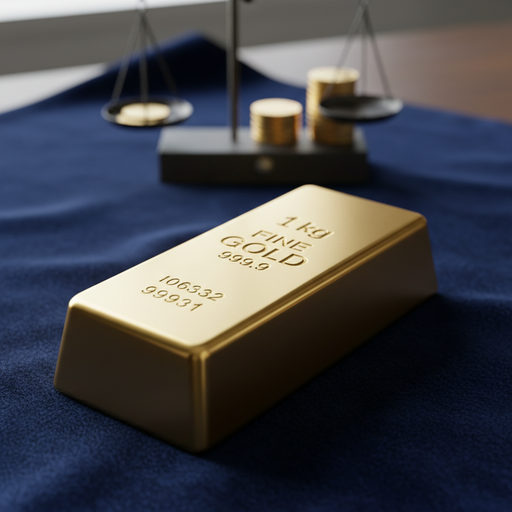
The Shanghai Futures Exchange also offers gold futures contracts tailored to the Asian market. Each contract lot here is 1 kg of gold, traded with approximately 7x leverage, allowing traders to control larger amounts with less capital.
Trading is divided into two sessions: daytime and nighttime, supporting T+0 trading (same-day trading and settlement) and two-way trading (both buying and selling). The minimum contract unit is 0.02 yuan per gram, with a minimum margin of 8% of the contract value. When markets are highly volatile, these parameters may be temporarily adjusted to manage risk.
Comparing the Two Markets and Benefits of Gold Futures Trading
COMEX and Shanghai represent two different approaches to gold futures. COMEX suits traders seeking access to a highly liquid global market, while Shanghai offers higher leverage and more flexible trading hours.
Regardless of the exchange chosen, trading gold futures provides opportunities to profit from small price movements, especially when effectively using risk management tools. Before starting, make sure you understand the mechanisms and specific rules of each trading platform.