

Trade
Basic
Futures
Futures
Hundreds of contracts settled in USDT or BTC
Options
HOT
Trade European-style vanilla options
Unified Account
Maximize your capital efficiency
Demo Trading
Futures Kickoff
Get prepared for your futures trading
Futures Events
Participate in events to win generous rewards
Demo Trading
Use virtual funds to experience risk-free trading
Earn
Launch
CandyDrop
Collect candies to earn airdrops
Launchpool
Quick staking, earn potential new tokens
HODLer Airdrop
Hold GT and get massive airdrops for free
Launchpad
Be early to the next big token project
Alpha Points
NEW
Trade on-chain assets and enjoy airdrop rewards!
Futures Points
NEW
Earn futures points and claim airdrop rewards
Investment
Simple Earn
Earn interests with idle tokens
Auto-Invest
Auto-invest on a regular basis
Dual Investment
Buy low and sell high to take profits from price fluctuations
Soft Staking
Earn rewards with flexible staking
Crypto Loan
0 Fees
Pledge one crypto to borrow another
Lending Center
One-stop lending hub
VIP Wealth Hub
Customized wealth management empowers your assets growth
Private Wealth Management
Customized asset management to grow your digital assets
Quant Fund
Top asset management team helps you profit without hassle
Staking
Stake cryptos to earn in PoS products
Smart Leverage
NEW
No forced liquidation before maturity, worry-free leveraged gains
GUSD Minting
Use USDT/USDC to mint GUSD for treasury-level yields

More


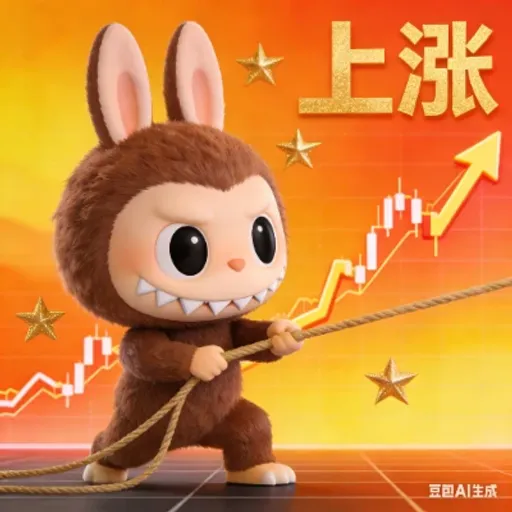



Reading the Crypto Fear and Greed Index: A Trader's Guide to Market Sentiment
The crypto market moves on emotion as much as fundamentals. When greed peaks, investors rush in; when fear strikes, they flee. The Crypto Fear and Greed Index is a 0-100 scale that measures this emotional pulse, helping traders catch turning points before the crowd does.
What Does the Fear and Greed Index Actually Measure?
Rather than guessing market direction, the Fear and Greed Index quantifies the psychological state of market participants on a daily basis. It runs from 0 (extreme fear) to 100 (extreme greed), divided into five zones:
The index pulls data from five sources, each weighted by importance. Volatility and market momentum carry the heaviest influence (25% each), followed by social media chatter (15%), Bitcoin dominance shifts (10%), and Google search trends (10%). The 15% survey component is currently paused.
How the Index Gets Calculated
Understanding the mechanics helps traders use it properly. Here’s a real-world walkthrough:
Imagine Bitcoin has fallen from $52K to $45K. Volatility spikes (contributing a fear signal of 20/100), but trading volume surges on the dip (a greed signal of 75/100). Twitter buzz on Bitcoin hashtags remains high (70/100, greed). Bitcoin’s market dominance rises as traders flee altcoins (30/100, fear). Google searches for “Bitcoin crash” spike (25/100, fear).
Weighted calculation:
Total Score: 39.75 — This lands in “Fear” territory, typically signaling a buying opportunity.
Why Traders Care About This Metric
Traditional markets have established sentiment tools; crypto doesn’t have that luxury. The Crypto Fear and Greed Index fills that gap by capturing the outsized role retail traders and social media play in price moves. A single viral post or influencer comment can move Bitcoin thousands of dollars—the index detects these sentiment shifts in real time.
Two reliable sources provide this data: Alternative.me (the original) and CoinMarketCap (which expanded the approach to cover altcoins beyond Bitcoin in 2023).
Practical Trading Applications
For Swing Traders: Combine the index with technical confirmation. If the index hits 20 (extreme fear) and Bitcoin’s RSI dips below 30 (oversold), MACD shows a bullish crossover—that’s a high-probability entry. Don’t act on the index alone; use it as a filter that makes technical signals more reliable.
For Long-Term Investors: The index works best for short-term timing, not buy-and-hold strategy. Extreme greed can persist for weeks; extreme fear can last months. Always pair it with fundamental analysis and proven trend-following methods like technical analysis or sentiment analysis.
The Three Disciplines Traders Need:
Real Talk: What This Index Cannot Do
The Crypto Fear and Greed Index is not a crystal ball. It captures current sentiment beautifully but doesn’t predict long-term reversals between bull and bear markets. Underlying fundamentals—regulatory news, adoption curves, macroeconomic shifts—can override sentiment indicators for months. Use the index to optimize timing within a broader framework, not as your sole decision-making tool.
Bottom Line
Market sentiment moves prices in the short term; fundamentals dominate the long term. The Crypto Fear and Greed Index is a reliable gauge for the former. When fear and greed extremes align with technical signals and fit your trading plan, they become powerful allies. Treat it as one tool among many, not as gospel.