Gate Europe’s Stablecoin Transition Strategy: How MiCA Compliance Is Reshaping Digital Asset Services in Europe
The update reflects a broader shift in the European crypto industry, where compliance, transparency, and regulated stablecoin infrastructure are becoming increasingly important. By supporting USDT deposits, zero-fee USDT to USDC conversion, and external USDT withdrawals, Gate Europe aims to provide users with a convenient path toward MiCA-compliant digital asset services.
The European cryptocurrency market is entering a new stage of development as regulatory frameworks become more clearly defined. Among these changes, stablecoins have become one of the most important areas of focus because they serve as a foundation for trading, payments, liquidity management, and digital asset applications.
With the implementation of the Markets in Crypto-Assets Regulation (MiCA), crypto service providers operating in Europe are adjusting their product structures to meet new compliance requirements. Stablecoin issuers and platforms are facing higher standards around authorization, transparency, and operational controls.
Against this background, Gate Europe has introduced a USDT migration solution designed to help eligible European Economic Area (EEA) users transition their assets while maintaining access to compliant digital asset services.
The new feature allows users to deposit USDT into Gate Europe and convert it into USDC through a one-way conversion process. The solution provides users with a simple migration path while aligning Gate Europe’s services with the evolving European regulatory environment.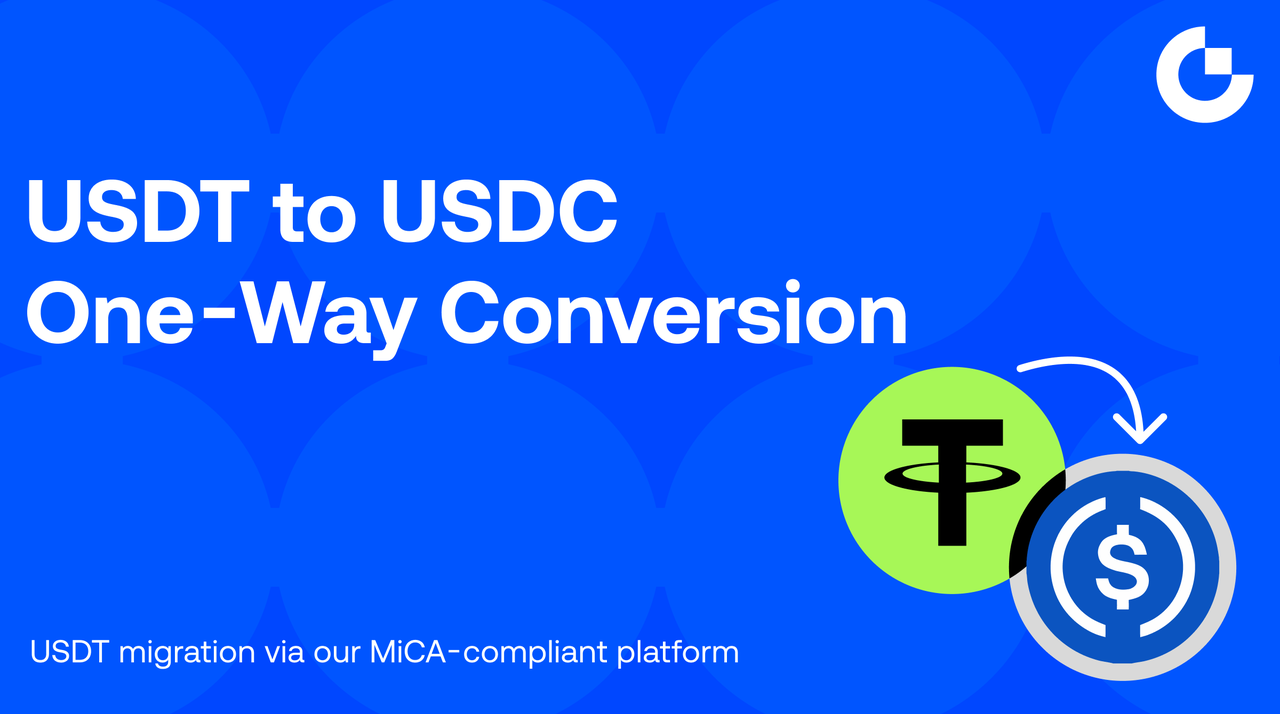
Europe’s Crypto Market Enters a New Era of Regulatory Alignment
For years, stablecoins have played a critical role in the cryptocurrency ecosystem. Assets such as USDT and USDC have become widely used as trading pairs, settlement tools, and liquidity instruments across global digital asset markets.
However, as cryptocurrencies become increasingly connected with traditional financial systems, regulators around the world have placed greater emphasis on stablecoin oversight.
Europe’s MiCA framework represents one of the most comprehensive regulatory approaches toward digital assets. The regulation introduces specific requirements for crypto-asset service providers and stablecoin-related activities, aiming to improve consumer protection and market stability.
For platforms serving European users, compliance is no longer only about meeting legal obligations. It has also become a key factor in building long-term trust and creating sustainable digital asset infrastructure.
Stablecoin transitions, therefore, represent not only technical adjustments but also a broader transformation of how crypto platforms operate within regulated financial markets.
Why Stablecoin Compliance Has Become a Key Focus Under MiCA
Stablecoins are designed to maintain a stable value by referencing traditional assets, usually fiat currencies such as the US dollar. Because of this role, stablecoins function as an important bridge between traditional finance and blockchain networks.
However, their growing adoption has raised questions around reserves, transparency, consumer protection, and regulatory oversight.
Under the MiCA framework, stablecoins offered within the European market must meet specific compliance standards. This includes requirements related to authorization, governance structures, and operational transparency.
For crypto platforms, supporting compliant stablecoin infrastructure has become an essential part of adapting to Europe’s changing regulatory landscape.
USDC, issued by Circle Internet Financial, has increasingly become one of the major stablecoins used by institutions and regulated crypto platforms due to its focus on compliance and transparency.
By supporting migration from USDT to USDC, Gate Europe is helping users move toward a stablecoin environment designed to better align with European regulatory expectations.
Gate Europe’s USDT to USDC Migration Solution Explained
Gate Europe’s latest update introduces a dedicated migration feature for existing and new eligible EEA users.
Through this solution, users can deposit USDT into their Gate Europe accounts and convert their holdings into USDC with zero conversion fees.
The key features include:
- One-way USDT to USDC conversion
- Zero conversion fees
- Support for eligible EEA users
- USDT withdrawal option to external wallets
- Access to supported Gate Europe services after conversion
The conversion process is designed to be straightforward. Once users complete the conversion, USDC will be credited directly to their Gate Europe accounts and can be used across supported trading services.
It is important to note that the conversion is irreversible. Users who convert USDT into USDC cannot reverse the transaction back into USDT through this feature.
The migration solution does not provide USDT trading functionality. USDT cannot be used for spot trading, staking, or other investment products on Gate Europe.
This approach allows users to maintain control over their assets while helping the platform operate within the requirements of the MiCA regulatory environment.
How the One-Way Conversion Process Works
The migration process focuses on simplicity and accessibility.
Eligible users can follow a straightforward flow:
- Deposit USDT into a Gate Europe account.
- Access the USDT migration feature.
- Convert USDT into USDC through the one-way conversion option.
- Receive USDC directly in the account.
After conversion, users can utilize USDC across supported Gate Europe services.
For users who do not wish to convert their assets, Gate Europe continues to support USDT withdrawals to external wallets. This provides flexibility for users managing their digital assets according to their own preferences.
The introduction of a migration pathway reduces potential disruption during regulatory transitions and provides users with more options when adjusting their stablecoin holdings.
What Users Need to Know About USDT and USDC on Gate Europe
Following the implementation of this update, USDT is no longer available for trading activities on Gate Europe.
Users should understand several important changes:
USDT cannot be used for spot trading.
USDT cannot be used for staking products or other investment services.
The USDT to USDC conversion is a one-way process.
USDT withdrawals to external wallets remain available.
USDC received after conversion can be used across supported Gate Europe services.
These changes reflect the increasing importance of regulatory compatibility within the European crypto market.
Rather than removing user access to existing assets, Gate Europe’s approach provides a transition mechanism that allows users to move toward supported stablecoin services while retaining asset flexibility.
The Role of Compliance in Building Sustainable Digital Asset Services
The development of crypto markets is increasingly moving from rapid expansion toward a more mature stage where compliance and infrastructure quality become competitive advantages.
For exchanges and crypto service providers, regulatory alignment can improve user confidence, strengthen operational stability, and support broader adoption among individuals and institutions.
Gate Europe’s stablecoin migration solution demonstrates how crypto platforms can adapt to regulatory changes while maintaining a user-focused experience.
As European users become more familiar with regulated digital asset services, compliant infrastructure may become a major factor influencing platform selection.
The future growth of cryptocurrency in Europe will likely depend not only on innovation but also on how effectively platforms balance technology, accessibility, and regulatory requirements.
How MiCA May Influence the Future of European Crypto Markets
MiCA represents a significant milestone in the evolution of European digital asset regulation. By establishing clearer rules for crypto service providers and stablecoin activities, the framework may help create a more predictable environment for market participants.
For users, this could mean stronger protections and greater transparency.
For businesses, it creates new standards that encourage responsible innovation and institutional participation.
Stablecoins are expected to remain an important part of the digital asset ecosystem, but their role will increasingly depend on regulatory compatibility and market trust.
Gate Europe’s transition solution highlights a broader industry trend: crypto services are evolving from purely global platforms into localized financial infrastructures designed for specific regulatory environments.
As Europe continues building its digital asset framework, compliant stablecoin solutions may become a foundation for the next phase of blockchain adoption. By supporting seamless asset migration and transparent service adjustments, platforms like Gate Europe are helping users navigate the transition toward a more regulated and sustainable crypto economy.
* The information is not intended to be and does not constitute financial advice or any other recommendation of any sort offered or endorsed by Gate.
* This article may not be reproduced, transmitted or copied without referencing Gate. Contravention is an infringement of Copyright Act and may be subject to legal action.
Share
Content
Europe’s Crypto Market Enters a New Era of Regulatory Alignment
Why Stablecoin Compliance Has Become a Key Focus Under MiCA
Gate Europe’s USDT to USDC Migration Solution Explained
How the One-Way Conversion Process Works
What Users Need to Know About USDT and USDC on Gate Europe
The Role of Compliance in Building Sustainable Digital Asset Services
How MiCA May Influence the Future of European Crypto Markets


Related Articles

What Is Technical Analysis?

What Is Fundamental Analysis?

Risks You Must Be Aware Of When Trading Crypto
Influence360 Introduces AI-Powered Infrastructure for Data-Driven Web3 Influencer Campaigns
What Kalshi’s New Employer Disclosure Rule Means for Prediction Markets and Insider Trading