What Is Phantom Wallet? A Beginner's Guide to the Solana and Multichain Wallet
As blockchain ecosystems continue to expand, users need wallets that can securely manage digital assets while providing convenient access to decentralized applications. Within the Solana ecosystem, Phantom Wallet has become one of the most recognized choices for both new and experienced Web3 users.
Originally developed as a wallet focused on Solana, Phantom has gradually expanded into a multichain wallet that supports multiple blockchain networks. Today, it allows users to store cryptocurrencies, manage NFTs, connect with decentralized applications, and perform on-chain transactions through a unified interface.
What Is Phantom Wallet?
(Image source: Phantom)
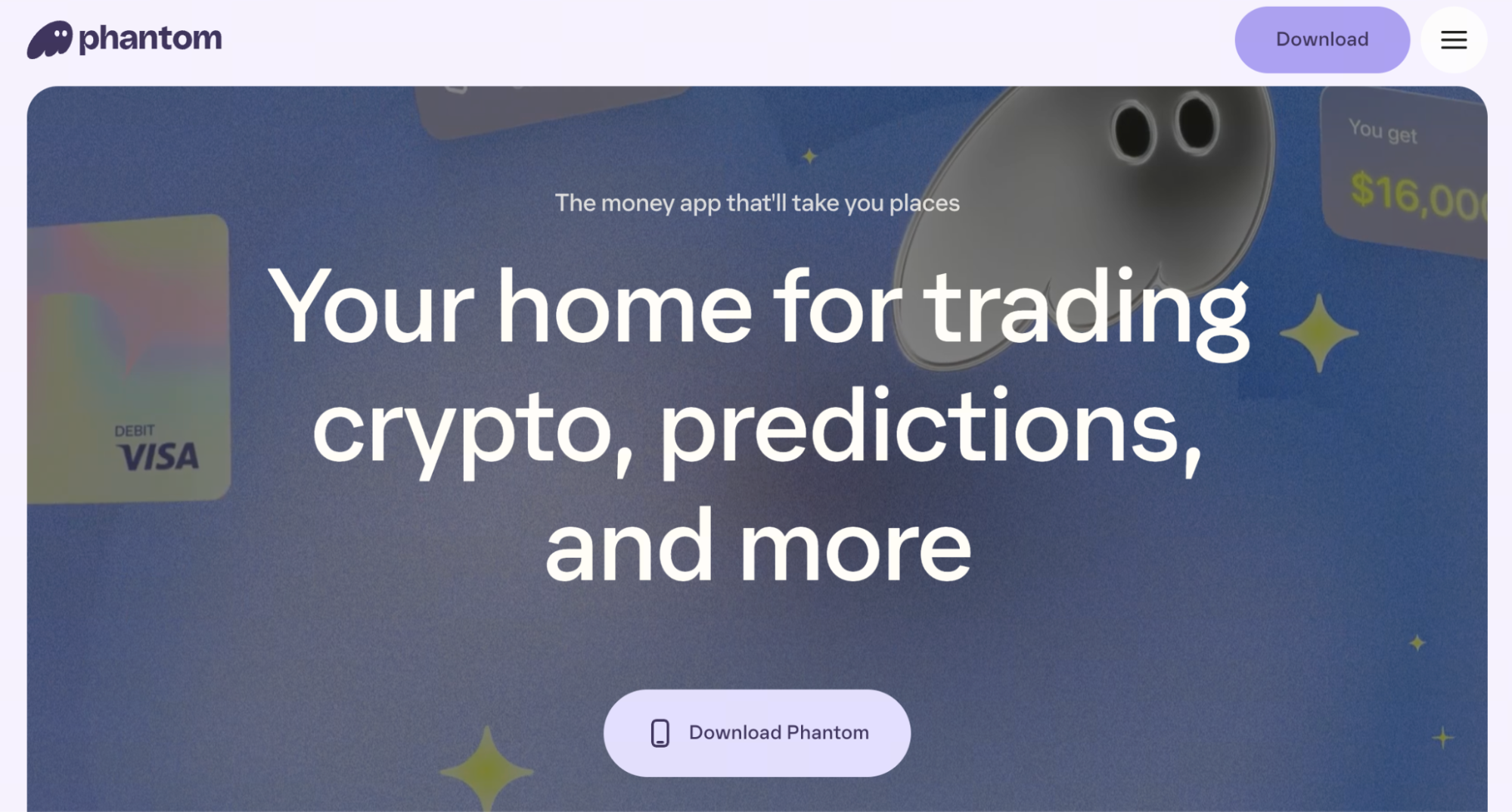
Phantom is a non-custodial cryptocurrency wallet, meaning users maintain control of their own private keys and digital assets rather than relying on a centralized service provider. It is available as both a browser extension and a mobile application, making it accessible across desktop and mobile devices.
Although Phantom first gained popularity within the Solana ecosystem, it has since added support for Ethereum, Polygon, Bitcoin, Base, and additional blockchain networks. This broader compatibility enables users to manage assets across multiple ecosystems without switching between several wallets.
Its straightforward interface and seamless connection with Web3 applications have made Phantom one of the primary wallets integrated by many decentralized projects built on Solana.
Key Features of Phantom Wallet
One of Phantom’s main strengths is its ability to combine wallet management with everyday Web3 functionality.
Users can securely store, send, and receive SOL, SPL tokens, NFTs, and other supported digital assets while viewing balances from multiple networks in a single application. Instead of focusing solely on asset storage, Phantom also simplifies interactions with decentralized applications by allowing users to authorize wallet connections and approve blockchain transactions directly within the wallet.
The wallet also includes an integrated token swap feature, enabling users to exchange supported assets without manually connecting to an external decentralized exchange. This streamlined experience makes common blockchain activities more accessible, especially for users who are new to Web3.
NFT collectors also benefit from Phantom’s built-in gallery, which presents digital collectibles in a visual format rather than displaying only token addresses or contract information.
How Does Phantom Connect to Web3 Applications?
Like many modern Web3 wallets, Phantom acts as a bridge between users and decentralized applications.
When visiting a compatible DApp, users can connect their wallet with a permission request. Once connected, they can sign blockchain transactions directly through Phantom while maintaining control over their private keys throughout the process.
This functionality allows users to participate in decentralized finance (DeFi), NFT marketplaces, blockchain games, staking protocols, and other on-chain services without transferring custody of their assets.
As Solana’s ecosystem has matured, Phantom has become compatible with many of its most widely used decentralized applications, while its expanding multichain support has broadened access to Web3 services across additional blockchain ecosystems.
Security Features
Because Phantom is a self-custody wallet, users are responsible for protecting their recovery phrase and private keys. The wallet is designed around the principle that only the owner controls access to the stored assets.
To improve user security, Phantom supports several protective features, including encrypted local key storage, recovery phrase backup, Ledger hardware wallet integration, transaction previews, phishing detection, and permission management for connected applications.
Users can also review and revoke previously granted DApp permissions, helping reduce unnecessary wallet exposure over time. While these tools improve security, safeguarding recovery credentials remains the user’s most important responsibility.
Phantom’s Role in the Expanding Web3 Ecosystem
Phantom has evolved beyond being solely a Solana wallet. As blockchain interoperability continues to improve, the wallet has expanded its multichain capabilities to support a wider range of decentralized applications and digital assets.
Its development reflects a broader industry trend toward unified wallet experiences, where users can manage assets across several blockchain networks from a single application. This approach reduces complexity while making decentralized finance, NFT ecosystems, tokenized assets, and emerging Web3 applications more accessible to a broader audience.
As blockchain adoption continues to grow, wallets such as Phantom are expected to play an increasingly important role as the primary interface between users and decentralized networks.
Conclusion
Phantom Wallet provides much more than a place to store cryptocurrency. It serves as a comprehensive gateway to blockchain ecosystems, allowing users to manage digital assets, interact with decentralized applications, trade supported tokens, and explore NFTs through a single platform.
For beginners entering the Solana ecosystem or users seeking a convenient multichain wallet, Phantom offers a combination of usability, security, and broad Web3 compatibility. Understanding how self-custody wallets like Phantom operate is an important step toward safely participating in today’s evolving blockchain ecosystem.
* The information is not intended to be and does not constitute financial advice or any other recommendation of any sort offered or endorsed by Gate Australia.
* This article may not be reproduced, transmitted or copied without referencing Gate Australia. Contravention is an infringement of Copyright Act and may be subject to legal action.


Related Articles

ERC-721 Explained in 2026: How the NFT Standard Powers Digital Ownership and What Risks Investors Should Know

TradFi Meets Blockchain in 2026: Institutional Adoption, Tokenization, and Market Risks

Zero-Knowledge Proof (ZKP) in 2026: Technology Breakthroughs, Market Trends, and Risk Analysis
Bless: Building a Decentralized Edge Computing Network for the AI Era
Understanding Creditlink ($CDL): On‑Chain Credit Infrastructure & RootData Airdrop Explained